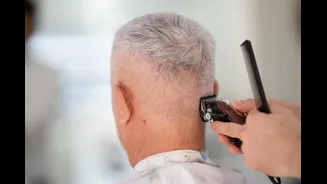








One day, you might spot someone familiar—gone without warning, then back again, looking different. Maybe it wasn’t rest behind those closed doors. Often, time away hides something most people don’t talk
about: healing after a hair transplant. Surgery marks just the beginning. True change unfolds later, offstage, when no one is watching
Dr Gaurav Garg, consultant dermatologist, hair transplant surgeon and dermato-surgeon, founder and director of Dermalife Skin and Hair Clinic at New Delhi, shares how it is not the hair transplant surgery but the healing phase that is something to adjust to.
Nowadays, hair transplants seem less dramatic, more of a subtle adjustment than a major change. Follicular Unit Extraction (FUE), along with Follicular Unit Transplantation (FUT) have advanced so that results look natural and nearly invisible once healed.
Yet despite precise techniques, recovery follows no strict timetable – sometimes sluggish, often uneven. This uncertainty leads certain individuals to briefly step back from daily habits, easing off without announcing it, explains Dr Gaurav Garg.
Healing begins right away once the procedure ends. Into tiny openings made by hand go the grafts, each holding living follicles. Redness shows up early; so does slight puffiness – scabs form within a week or more. These changes last less than two weeks, typically vanishing without issue. Though entirely expected, their presence catches attention.
Shock loss explains part of why results seem to vanish at first, catching some newcomers off guard. Though transplanted strands often fall out between two and four weeks post-op, this does not mean the process failed – instead, it signals a natural pause. Follicles rest briefly, then begin forming fresh growth later on. At first glance, this stage might seem underwhelming because hair density could resemble earlier conditions or show a slight reduction.
What matters just as much is shielding the grafts while they’re most at risk. Right after transplant, hair follicles are fragile things. Too much sunlight, heavy exercise, perspiration, or even light rubbing might harm how well they take hold. Doctors often suggest staying clear of fitness centers, public water areas, and extended time outside for around twenty-one days. Dr Gaurav Garg says, “These changes quietly reduce contact with others, making downtime feel less like a choice, more like part of healing.”
A shift happens inside the mind too. Losing hair – and choosing surgery – touches deeper feelings. Time passing after the procedure lets people settle into new thoughts, shape realistic hopes, while tending to their well-being. Away from constant looks by others, tension often drops, creating space for physical repair to move smoothly. Often, this stretch of stillness heals just as much as it prepares.
Most obvious surgical effects tend to disappear within a month. The skin’s red tint lessens while crusts detach on their own, allowing everyday hygiene habits to restart. Yet new hairs usually start showing after three or four months, becoming notably denser from half a year onward. As people return to regular life, shifts in appearance unfold slowly – so subtle that others are more likely to offer praise than ask what changed.
Though brief, the post-transplant shedding period isn’t alarming. Instead, it marks a necessary stage guided by medical logic – one where outcomes take root beneath stillness. Healing unfolds silently across the skin’s surface during these days. Hair units recalibrate deep within tissue while fresh growth prepares below. Progress often moves without announcement; visible change follows unseen work.