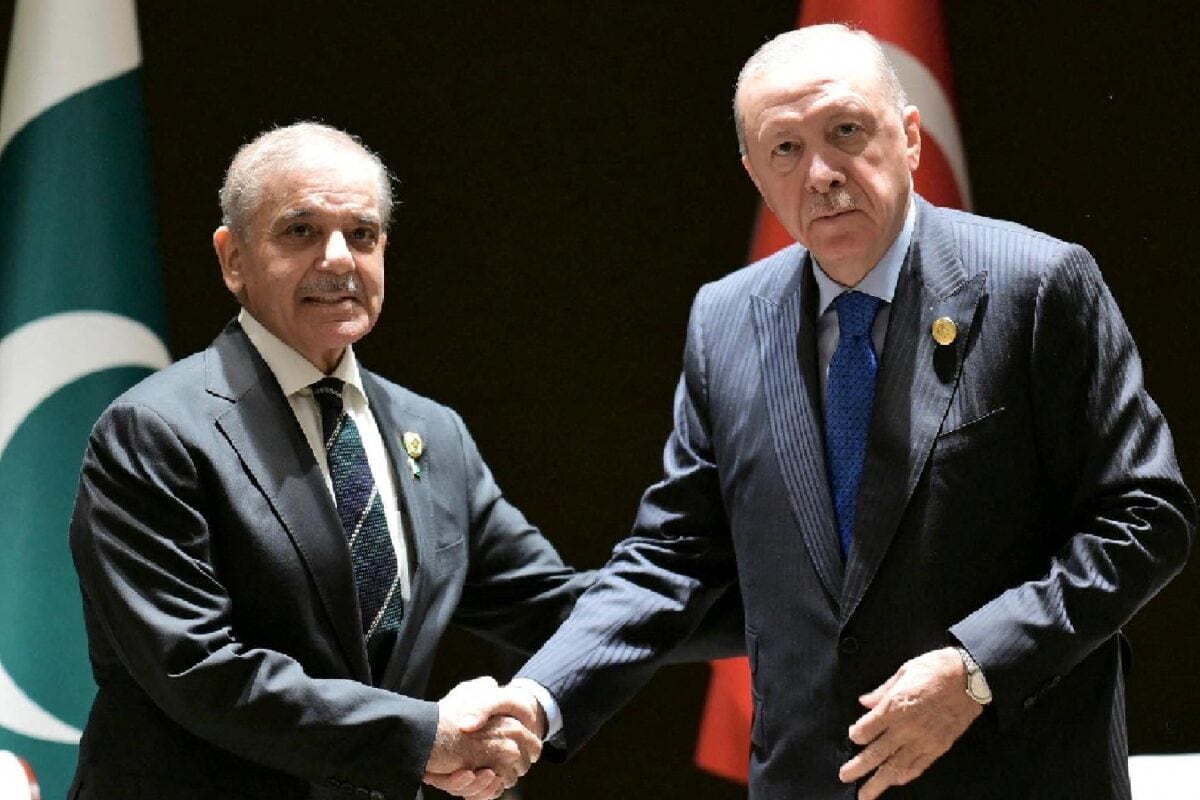







Turkey’s push for full membership of the Shanghai Cooperation Organisation (SCO) comes at a sensitive point in its relationship with India. Turkish President Recep Tayyip Erdogan has said Ankara would
consider pursuing full membership of the China- and Russia-led grouping, where Turkey is currently a dialogue partner. Erdogan has also stressed that such a move would not mean breaking away from Turkey’s other alliances or its relationship with the West.
That balancing act matters to India. Turkey remains a NATO member and has deep strategic and defence ties with Pakistan, but Ankara is now also seeking to repair relations with New Delhi after years of diplomatic friction over Kashmir, Pakistan and, more recently, Operation Sindoor.
Turkey Wants To Separate India, Pakistan Ties
According to exclusive inputs reported by CNN-News18 security affairs editor Manoj Gupta in June, Ankara is signalling to New Delhi that its relationship with Pakistan should not determine its bilateral ties with India.
Turkey is seeking to insulate its economic and diplomatic engagement with India from tensions involving Pakistan and the wider South Asian region.
Ankara has also denied providing additional military assistance to Pakistan, maintaining that defence interactions between the two countries are longstanding and routine.
The message comes after relations between India and Turkey deteriorated sharply following Operation Sindoor. Turkey had criticised India’s military response after the Pahalgam terror attack and was seen in New Delhi as taking a position closer to Pakistan.
Reports that Pakistan used Turkish-origin drones during the conflict added to India’s concerns over Ankara’s defence relationship with Islamabad.
Kashmir Remains A Major Irritant
The Pakistan factor has been a longstanding source of friction between India and Turkey.
Relations had expanded considerably after Erdogan came to power in 2002, with high-level visits, business ties and cultural exchanges helping bilateral trade rise from around $700 million in 2002 to nearly $13.8 billion in 2022.
But the relationship deteriorated after Ankara repeatedly criticised India’s position on Jammu and Kashmir, particularly following the abrogation of Article 370 in 2019.
Erdogan has continued to endorse Pakistan’s position on Kashmir, including during his 2025 visit to Islamabad. For New Delhi, Ankara’s willingness to raise Kashmir internationally has remained a major source of strategic distrust.
From Operation Sindoor Fallout To A Diplomatic Thaw
There are signs that both sides now want to prevent the relationship from deteriorating further.
India and Turkey resumed Foreign Office Consultations in April 2026 after a four-year gap. The discussions covered trade and investment, tourism, technology and innovation, energy, education, counter-terrorism and security cooperation.
The two sides also discussed the importance of sustained dialogue to prevent misunderstandings and manage disagreements.
A more concrete confidence-building measure came with Turkey’s assistance in the extradition of fugitive drug trafficker Salim Dola to India. Discussions are also underway over the extradition of other criminals wanted by Indian authorities.
Turkey has also sought to clarify that its military interactions with Pakistan are part of longstanding defence arrangements rather than a new effort to assist Islamabad.
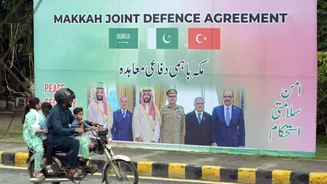
Mecca Agreement Adds Another Layer
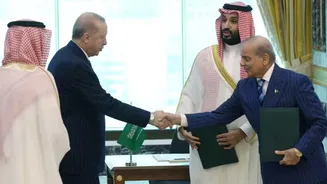
Turkey’s role in the recently signed Mecca Agreement with Pakistan and Saudi Arabia adds another dimension to the equation.
For India, however, the question is not simply whether Turkey can maintain ties with both the West and the China-Russia-led SCO.
It is whether Ankara can deepen those relationships without allowing its strategic partnership with Pakistan to spill over into its ties with New Delhi.
Why Turkey Wants Better Ties With India
Economic considerations are also pushing Ankara towards a recalibration. The diplomatic backlash in India has highlighted the costs of a strained relationship with one of the world’s largest markets. Turkey has an interest in preserving access to Indian trade, investment and infrastructure opportunities, while Indian tourists remain an important source of revenue for the Turkish economy.
India and Turkey also have substantial commercial links, with Turkey exporting products including marble, machinery and agricultural goods to India, while Indian exports include chemicals, machinery and automobile components.
The two countries therefore have economic reasons to prevent political disagreements from becoming a permanent rupture.
What Would SCO Membership Mean For India?
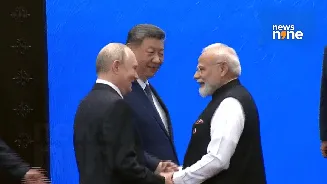
If Turkey eventually becomes a full SCO member, it would add another NATO member to a grouping dominated by China and Russia, while bringing Ankara closer institutionally to countries including Pakistan.