

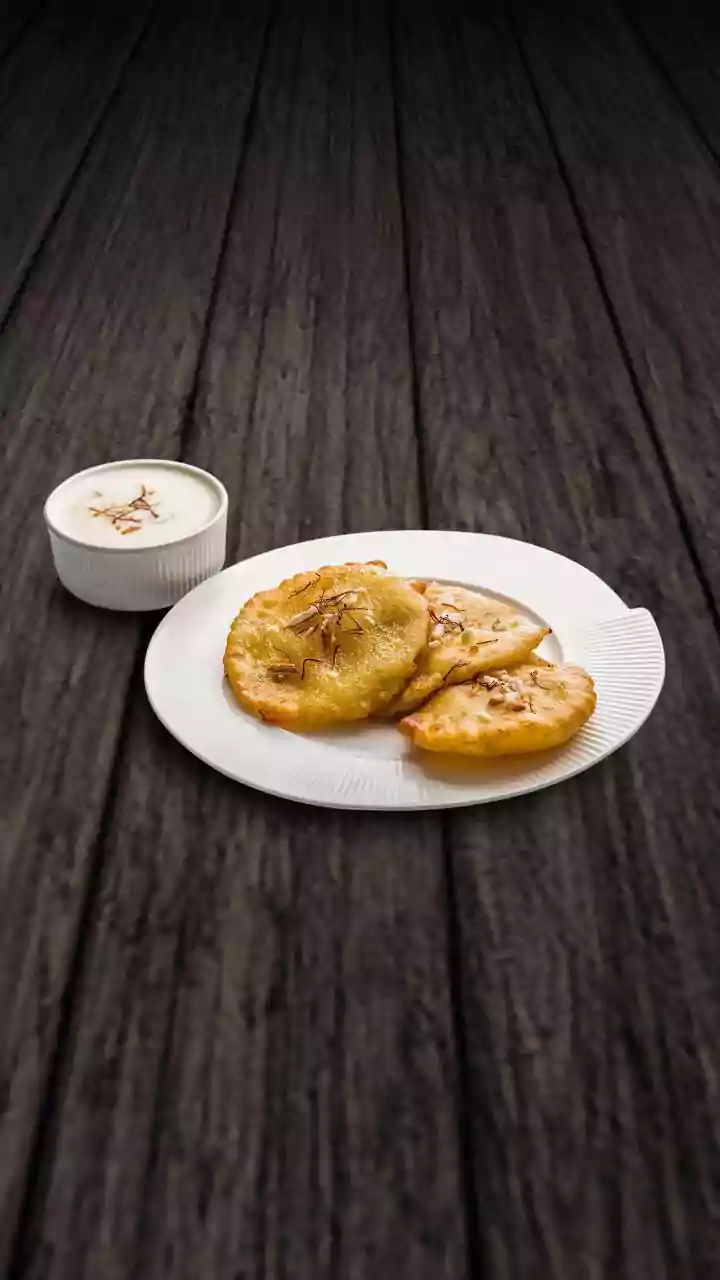




If you are observing the Sawan Somwar fast and are tired of the usual sabudana khichdi or vada, Sabudana Thalipeeth can bring a delicious Maharashtrian twist to your vrat menu. Crisp around the edges and soft
inside, this simple snack combines soaked sabudana with potatoes, roasted peanuts and mild spices.
The best part? Sabudana Thalipeeth needs only a handful of ingredients and can be cooked on a tawa with relatively little oil or ghee.
Ingredients You Will Need
- To make around 4 small Sabudana Thalipeeth, you will need:
- 1 cup sabudana
- 2 medium potatoes, boiled and mashed
- 1/2 cup roasted peanuts, coarsely ground
- 1–2 green chillies, finely chopped
- 1 teaspoon cumin seeds
- 2 tablespoons chopped coriander leaves
- Sendha namak or rock salt, according to taste
- Ghee or oil for cooking
- A little water, if required
Note: Fasting practices differ between families and regions. Use only ingredients that are permitted according to the vrat rules you follow.
Step 1: Soak The Sabudana Correctly
The texture of the sabudana is key to getting the thalipeeth right. Rinse the sabudana thoroughly until the water becomes relatively clear. Soak it using just enough water to cover the pearls and leave it for several hours or overnight, depending on the variety.
Before making the dough, press a pearl between your fingers. It should mash easily without feeling hard in the centre. Drain off any excess water—the sabudana should be soft but not wet or sticky.
Step 2: Prepare The Thalipeeth Mixture
Transfer the soaked sabudana to a large bowl. Add the boiled and mashed potatoes, coarsely ground roasted peanuts, green chillies, cumin, coriander and sendha namak.
Mix everything thoroughly with your hands until it begins to come together like a soft dough. Potato acts as the binder here, while peanuts add crunch and a nutty flavour.
If the mixture feels too loose, avoid pouring in lots of water. A wet mixture can make the thalipeeth difficult to shape and cook.
Step 3: Shape It With Your Hands
Unlike a regular roti, Sabudana Thalipeeth does not need to be rolled out with a rolling pin.
Take a portion of the mixture and place it on a greased sheet of parchment paper, banana leaf or a clean food-safe surface. Wet or grease your fingers lightly and gently pat the mixture into a thin, round flatbread.
Make a small hole in the centre. This helps the thalipeeth cook more evenly and allows a little ghee to reach the middle while cooking.
Step 4: Cook Until Crisp And Golden
Heat a tawa over medium heat and grease it lightly with ghee or oil. Carefully transfer the shaped thalipeeth onto the hot surface.
Cook over medium to medium-low heat until the underside becomes golden and crisp. Drizzle a little ghee around the edges and into the centre if required.
Flip carefully and cook the other side until golden spots appear and the potato-sabudana mixture is cooked through.
Avoid using very high heat. Sabudana can brown quickly on the outside while the centre remains soft, so slower cooking gives you a better crisp-outside, tender-inside texture.
How To Serve Sabudana Thalipeeth
Serve Sabudana Thalipeeth hot from the tawa while the edges are still crisp. During a vrat, it can be paired with plain curd or a fasting-friendly peanut or coriander chutney, depending on the ingredients allowed in your household for fasting.