







Indian homes in 2025 are undergoing a quiet but meaningful transformation. Beyond aesthetics, interior design is becoming deeply personal shaped by comfort, sensory experience, and an emotional connection
to space. Homeowners are moving away from trend-driven décor and instead embracing interiors that feel warm, lived-in, and reflective of individual identity.
Smita Joshi, Vice President, Nesterra (a Sutlej Brand, K K Birla Group), believes this shift signals a more thoughtful approach to home design. “People are seeking spaces that feel inviting and authentic, where fabrics and finishes express personal taste rather than fleeting seasonal trends,” she notes.
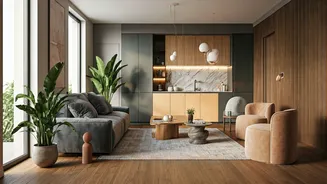
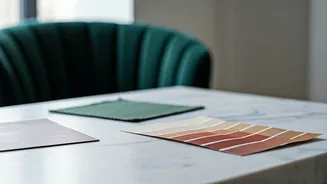
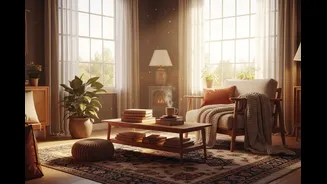
One of the most defining elements of this evolution is the growing preference for earthy colour palettes. Shades such as terracotta, chai beige, soft olive, cocoa, and clay are becoming mainstays in Indian interiors, lending calm and warmth to everyday living spaces. Akash Rathore, Head of the Department, School of Design & Fashion, Lovely Professional University, observes that these hues create a cocooning effect. “Nature-led palettes and mocha-inspired browns translate beautifully into Indian homes, especially through sofas, drapes, and bed linen, creating a seamless flow between indoor and outdoor environments,” he explains.
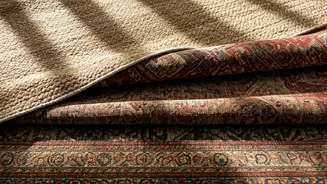
Alongside grounded colours, textured minimalism is emerging as a key design philosophy. Instead of ornate patterns or visual excess, homeowners are leaning towards tactile richness. Joshi points out that high-quality materials such as cotton-linen blends, chenille, velvets, and intricately woven jacquards are increasingly preferred. “These fabrics balance modern elegance with everyday usability, making them ideal for contemporary Indian homes,” she says.
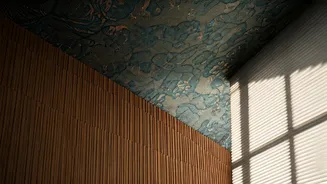
Rathore adds that texture today is meant to be felt, not seen loudly. “Slubbed cottons, bouclé, matelassé, ribbed finishes, and stone-washed fabrics add depth and shadow without overwhelming a space. The focus is on ‘quiet touch’ rather than bold patterning,” he notes, aligning this trend with global wellness-driven and sensorial design narratives.
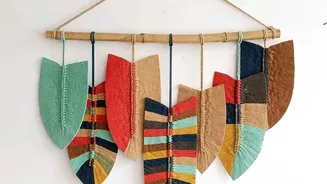
Sustainability is another powerful undercurrent shaping Indian interiors in 2025. As Rathore highlights, materials such as khadi, linen, hemp, jute blends, and recycled cotton are increasingly valued for their breathability, tactility, and lower environmental impact. “When paired with clean, Japandi-inspired lines, these materials allow homes to feel contemporary while remaining deeply rooted in Indian craft traditions,” he says.
From a brand and industry perspective, Joshi sees fabrics playing a more central role than ever before. “At Nesterra, we view this as a defining moment for Indian interiors. Textiles are no longer just finishing touches, they shape ambience, comfort, and personality,” she explains. The rising demand for versatile, premium fabrics reflects a broader shift towards curated living, where homes are designed to evolve with their occupants.
Together, these trends point to a future where Indian homes are not just visually appealing, but emotionally resonant. As textured minimalism, earthy palettes, and responsible materials come together, 2025 marks a move towards décor that feels intentional, timeless, and deeply connected to how people want to live.