
After weeks of festive meals, late nights, and indulgent treats, it’s common to feel bloated, sluggish, or out of sync with your routine. This often triggers a rush toward detox teas, juice fasts, or crash
diets promising quick fixes. Nutrition experts, however, say the body doesn’t need punishment after the holidays; rather, it needs support. A healthy post-holiday reset is less about restriction and more about restoring hydration, digestion, and metabolic balance through realistic, sustainable habits.
How The Body Actually Detoxes
Sweedal Trinidade, Chief Dietitian, P.D. Hinduja Hospital & Medical Research Centre, Mumbai, notes, “The body already has a highly efficient detox system. Detoxification naturally happens through the liver, kidneys, lungs, and skin, and that supporting these organs – not overwhelming them – is key.” Adequate hydration, balanced meals, and reducing ultra-processed foods allow the body to clear excesses on its own without extreme interventions.
Rather than eliminating food groups or fasting, experts agree that the goal should be gentle nourishment that restores routine and digestive rhythm.
Hydration Comes First
One of the simplest yet most overlooked reset tools is water. Sohom Singha Roy, Lead Dietitian at Redcliffe Labs, says, “Fluid intake often drops in winter, even though the body still needs it. Increasing water consumption helps flush out metabolic waste, improve digestion, and reduce bloating.”
Warm water, lemon water, or jeera water in the morning can stimulate digestion, while coconut water and buttermilk help replenish electrolytes. Most adults should aim for two and a half to three litres of fluid daily, adjusting based on activity levels and thirst.
What To Eat After Overeating
Post-holiday meals should feel light but satisfying. Experts recommend shifting away from fried, sugary, and heavy foods toward simple, home-cooked meals that are easy on digestion. Khichdi, dal-rice, curd rice, vegetable soups, steamed vegetables, and seasonal fruits help stabilise blood sugar and calm the gut.
Eating at regular times, keeping dinners earlier, and allowing enough time between meals helps normalise metabolism. Fermented foods such as curd, buttermilk, kanji, and idli or dosa batter are especially beneficial for restoring gut bacteria disrupted by excess eating.
Detox Foods That Actually Support The Body
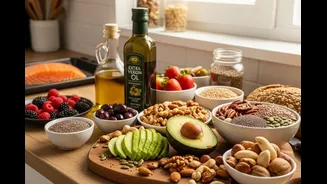
Certain foods naturally aid digestion and elimination without forcing the detox process. Nutrition experts point to fibre-rich whole grains and leafy greens for gut health and regular bowel movements. Beetroot supports liver function, while cruciferous vegetables like cabbage, cauliflower, and broccoli help activate detox enzymes.
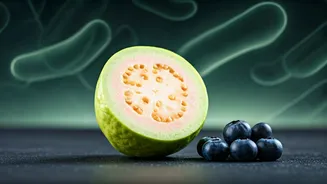
Fruits such as citrus, berries, apples, guava, and pears provide soluble fibre and vitamin C, while traditional Indian spices such as turmeric, ginger, garlic, amla, neem, and lemon grass offer antioxidant and anti-inflammatory benefits.
Common Detox Mistakes To Avoid
Dietician and Clinical Nutritionist, Dt. Varshini from Apollo Clinic, Electronic City, Bengaluru warns that extreme detox strategies often backfire. She says, “When people skip meals, consume nothing but juice, or fast aggressively for long periods, it actually slows their metabolism and causes weakness, which results in overeating later.”
Experts caution against detox teas, excessive caffeine, severe calorie restriction, cutting out entire food groups, or jumping into intense workouts immediately after a period of indulgence. These approaches stress the body instead of helping it recover.
The Simple Reset That Works
The most effective post-holiday detox is built on basics done consistently: drinking enough water, eating fibre-rich, balanced meals, moving gently through walking or yoga, sleeping seven to eight hours, reducing alcohol, and practising mindful eating. Paying attention to hunger cues, chewing slowly, and stopping when comfortably full helps break the cycle of overeating.
There is no quick fix for detoxing after the holidays, and none is needed. The body resets best when supported with hydration, nourishing food, gentle movement, and routine. Sustainable habits, not extreme cleanses or miracle drinks, are what truly help the body recover and feel balanced again.