
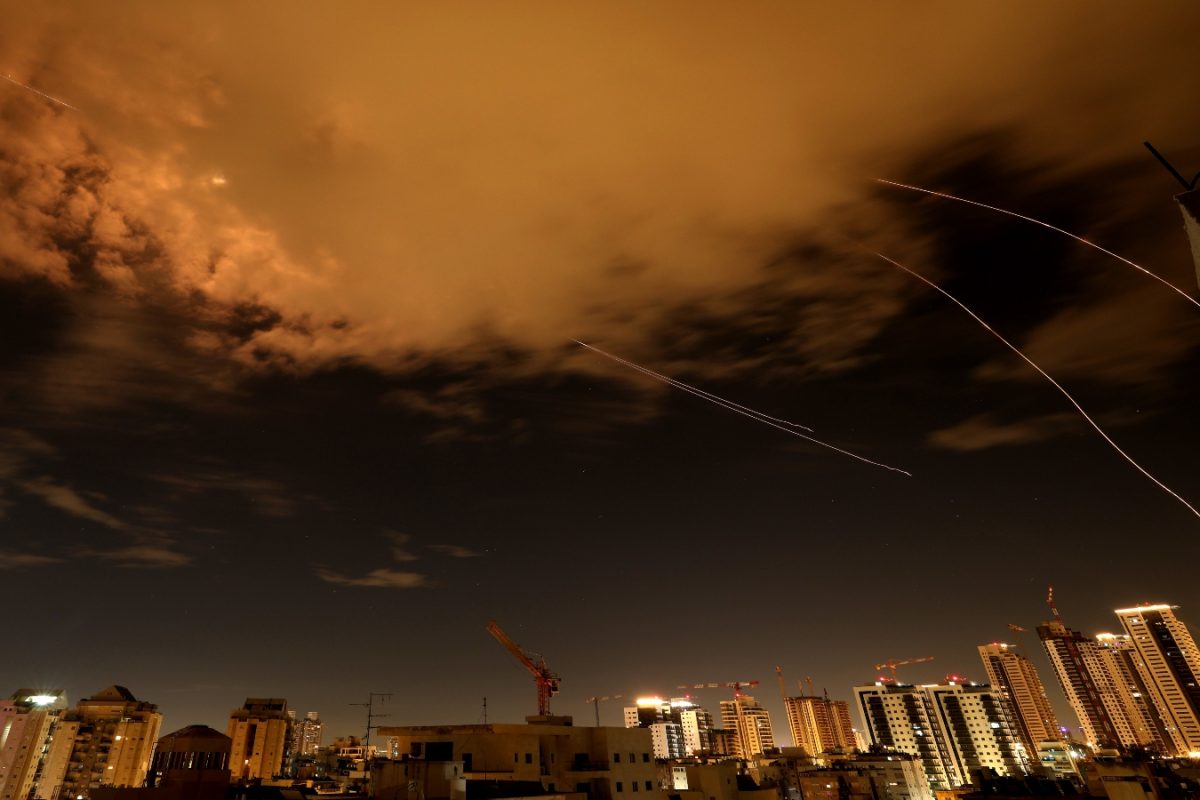

The ongoing global energy disruptions, driven by the US-Israel-Iran war and supply bottlenecks in LPG imports, have presented India with an opportunity to expand its Piped Natural Gas (PNG) network and fast-track
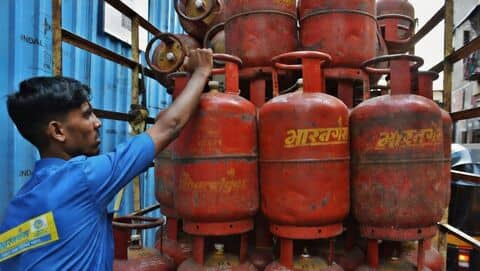
a structural shift in how households access cooking fuel. A new order from the Ministry of Petroleum and Natural Gas mandates that in areas where PNG infrastructure is already available, LPG cylinder supply will be discontinued within three months if consumers do not transition.
The move is less about compulsion and more about reallocating scarce resources, freeing up LPG for regions that still lack pipeline connectivity while reducing dependence on a single, import-sensitive fuel.
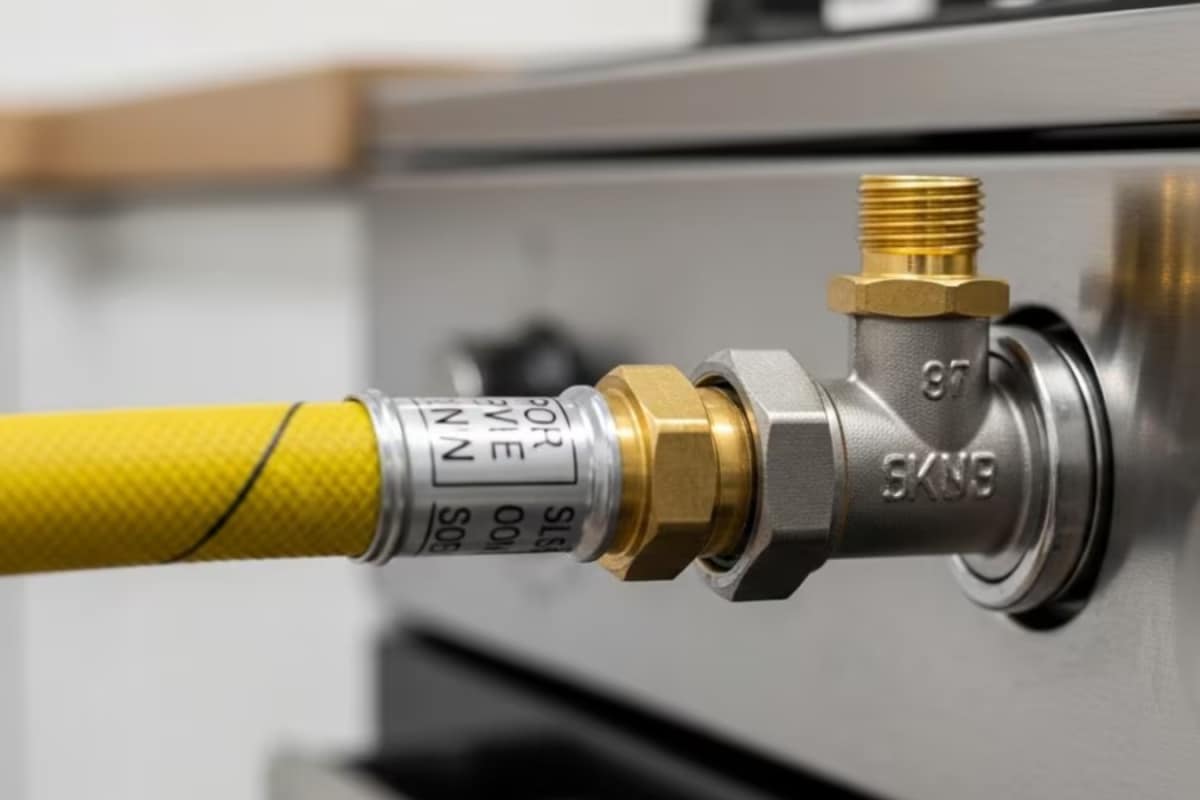
The policy is part of a broader push to expand India’s gas pipeline network and promote PNG as a more reliable alternative. Unlike LPG, which requires periodic refills and logistics support, PNG is delivered continuously through pipelines, offering both convenience and supply stability. The government has also built in flexibility: households can continue with LPG where pipeline connections are technically unfeasible, provided a no-objection certificate is issued. At its core, the shift is being framed as a step towards fuel diversification, especially at a time when disruptions, from damaged Gulf infrastructure to shipping constraints in critical routes like the Strait of Hormuz, have affected global energy supply chains.
To ensure rapid rollout, the Natural Gas and Petroleum Products Distribution Order, 2026, introduces sweeping procedural reforms. It simplifies approvals, caps charges, and enforces strict timelines. The permissions for pipeline laying can be deemed granted if authorities fail to respond in time. Housing societies and property managers are required to allow access within three days, while last-mile PNG connections must be delivered within 48 hours of application. The order also empowers designated officers with quasi-judicial authority to resolve land and access disputes, signalling a clear intent to remove bureaucratic hurdles. With penalties in place for delays by authorised entities, the government is attempting to turn a supply crisis into an opportunity to accelerate long-pending energy infrastructure expansion.
What Areas Are Covered By PNG In India?
With the government now fast-tracking PNG connections, it’s time people make the switch now. If your house falls in an area covered by PNG, it’s time to get that piped connection.
India’s City Gas Distribution (CGD) network now spans 784 districts. This covers almost the entire mainland geography. The network operates through 307 geographical areas (GAs), which are the actual PNG circuits. Here’s looking at whether your area has active PNG connectivity and falls in this circuit:
| State | Key Cities with PNG | Coverage Status | Type of Penetration |
| Gujarat | Ahmedabad, Surat, Vadodara, Rajkot | Highly mature |
Household (very high) Industrial (very high) |
| Maharashtra | Mumbai, Thane, Navi Mumbai, Pune, Nagpur | Highly mature (metros), expanding in others |
Household (high in metros) Industrial (high) |
| Delhi (NCT) | Delhi NCR | Highly mature |
Household (very high) Industrial/Commercial (high) |
| Uttar Pradesh | Noida, Ghaziabad, Lucknow, Kanpur, Varanasi | Well established |
Household (medium–high) Industrial (high) |
| Haryana | Gurugram, Faridabad, Panipat | Well established |
Household (medium–high) Industrial (high) |
| Punjab | Ludhiana, Jalandhar, Amritsar | Moderate |
Household (medium) Industrial (high) |
| Rajasthan | Jaipur, Udaipur, Kota, Jodhpur | Expanding statewide |
Household (medium) Industrial (medium–high) |
| Madhya Pradesh | Indore, Bhopal, Gwalior | Early to moderate |
Household (low–medium) Industrial (medium) |
| Tamil Nadu | Chennai, Coimbatore, Salem, Madurai | Expanding fast |
Household (medium) Industrial (high) |
| Karnataka | Bengaluru, Mysuru | Moderate, growing |
Household (medium) Industrial (high) |
| Telangana | Hyderabad | Moderate |
Household (medium) Industrial (high) |
| Andhra Pradesh | Visakhapatnam, Vijayawada, Kakinada | Moderate, expanding |
Household (low–medium) Industrial (high) |
| West Bengal | Kolkata, Howrah, Durgapur | Developing |
Household (low–medium) Industrial (medium) |
| Bihar | Patna, Gaya, Begusarai | Early-stage expansion |
Household (low) Industrial (medium) |
| Jharkhand | Ranchi, Jamshedpur, Dhanbad | Early-stage expansion |
Household (low) Industrial (medium) |
| Odisha | Bhubaneswar, Cuttack, Angul | Rapid expansion phase |
Household (low–medium) Industrial (growing fast) |
| Assam | Guwahati | Nascent |
Household (very limited) Industrial (limited) |
| Tripura | Agartala | Nascent |
Household (very limited) Industrial (limited) |
Users applying for a new gas pipeline connection can check if PNG is available in their area by going the website of the piped gas service provider catering to that area, for example, Indraprashta Gas Limited, Mahanagar Gas Limited etc.
Rapidly Expanding PNG Network
With most Tier-1 cities now having active PNG connections, the immediate expansion is focused on Tier-2 and Tier-3 cities, industrial districts, previously unconnected eastern & southern belts, and areas not yet linked to the national gas grid.
This includs rapid expansion across South India, with uncovered districts in Tamil Nadu, Karnataka, and Kerala now being advanced. The government is also expanding PNG network in Odisha, Bihar, Jharkhand, Bengal hinterland and the interiors of Uttar Pradesh and Rajasthan.