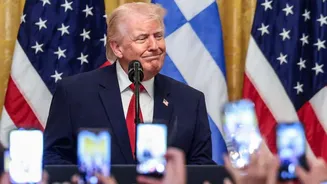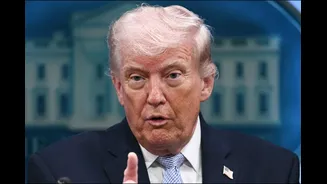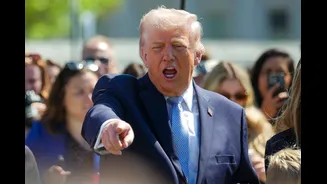






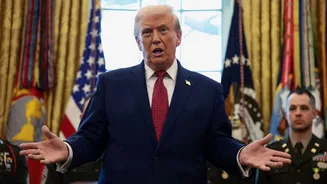
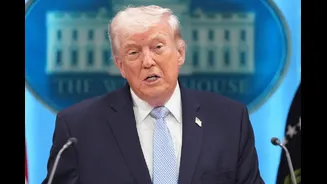
US President Donald Trump is considering scaling back America’s military footprint in NATO countries and potentially repositioning troops away from allies deemed “unhelpful” during the Iran war, according
to a report by The Wall Street Journal. Follow Live Updates Here
The proposal, still at an early stage, is part of a broader set of options under discussion at the White House that could effectively weaken US commitments to the alliance without formally exiting it.
Under the plan, US troops could be moved out of countries seen as unsupportive of Washington’s military campaign and redeployed to nations viewed as more aligned, including Poland, Romania, Lithuania and Greece. The US currently has around 84,000 troops stationed across Europe.
Also Read: Iran Announces Alternate Transit Routes For Strait Of Hormuz After Closure Over Israel Strikes
The move comes amid renewed tensions between Trump and NATO allies following their limited backing for US actions against Iran. Trump has repeatedly criticised the alliance, questioning its reliability and signalling frustration over burden-sharing and strategic support.
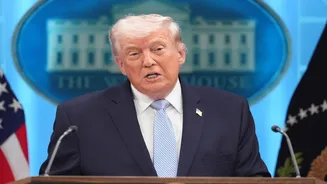
“NATO WASN’T THERE WHEN WE NEEDED THEM, AND THEY WON’T BE THERE IF WE NEED THEM AGAIN,” Trump said in a post on Truth Social after meeting NATO Secretary General Mark Rutte.
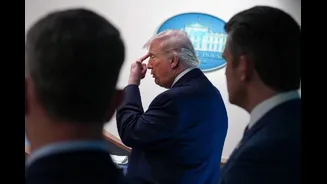
The meeting, held behind closed doors at the White House, included discussions on the future of US involvement in NATO, with officials indicating that a potential withdrawal remains under consideration.
White House Press Secretary Karoline Leavitt said ahead of the meeting that leaving NATO is “something the president has discussed,” adding that it would be part of his conversations with Rutte.
Also Read: Israel Opposed US-Iran Ceasefire Deal, Favoured More Military Pressure On Tehran
While the troop relocation plan falls short of a full withdrawal, which would require Congressional approval, it signals a possible shift in US strategy toward selectively engaging with NATO members based on their alignment with Washington’s priorities.
Trump has also criticised individual allies, including UK Prime Minister Keir Starmer, and renewed rhetoric around Greenland, a territory of NATO member Denmark, further straining ties within the alliance.
The developments come a day after the US and Iran agreed to a fragile two-week ceasefire, even as divisions within NATO over the conflict continue to surface.