
New Delhi, Dec 14 (PTI) As many as 300 products, including that of engineering goods, pharma, agri, and chemicals, hold huge potential for Indian exporters to push their shipments to Russia as the two
countries target USD 100 billion trade by 2030, an official said.
At present, India’s exports of these goods to Russia stood at USD 1.7 billion, as against Russia’s USD 37.4 billion in imports.
“This stark disparity demonstrates the substantial complementary export space India can target,” the official said, adding increasing exports will also help India bridge its trade deficit with Russia, which stood at USD 59 billion.
These high-potential products have been selected by the commerce ministry by analysing complementary basket of products — mapping India’s supply visa-a-vis Russia’s demand across key sectors, the official added.
The most promising areas mirror India’s rising global strengths are engineering goods, pharmaceuticals, chemicals and agriculture, all of which correspond to substantial unmet demand in the Russian market.
India’s share in Russia’s import basket remains modest around 2.3 per cent.
New Delhi’s imports from Moscow surged from USD 5.94 billion in 2020 to USD 64.24 billion in 2024 which is a more than tenfold jump driven almost entirely by mineral fuels or crude oil increasing from USD 2 billion in 2020 to USD 57 billion in 2024.
Oil accounts for nearly 21 per cent of total India’s imports of oil, cementing Russia’s role as a key trading partner. Beyond hydrocarbons, fertilisers and vegetable oils are other imported products.
On the exports front, agriculture and allied products reveal particularly strong promise.
India currently exports USD 452 million of products (opportunity products) to Russia against their global import demand of USD 3.9 billion.
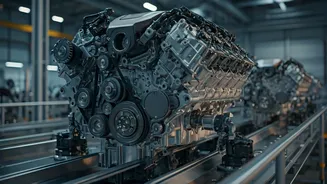
Meanwhile, engineering goods present one of the widest gaps with India exporting USD 90 million, while Russia imports USD 2.7 billion in this segment, with growing room as Russia diversifies away from China.
Chemicals and plastics show a similar pattern, with India contributing USD 135 million to a demand of USD 2.06 billion.
Further pharmaceuticals remain a strategic corridor, too, as India supplies USD 546 million, but Russia’s pharma import bill touches USD 9.7 billion, making generics and APIs (active pharma ingredients) significant growth levers.
Beyond these high-value sectors, India’s labour-intensive industries — textiles, apparel, leather goods, handicrafts, processed foods and light engineering — hold substantial promise given Russia’s large consumer base and India’s cost competitiveness, the official said.
Electronics and textiles currently have a market share below 1 per cent, yet demand is sizeable, offering space for scale if supported by stronger distribution networks. PTI RR TRB