





Iran on Thursday issued a fresh warning to the United States, saying any further military action would be met with retaliation, as tensions escalated following a new wave of US strikes on Iranian targets.
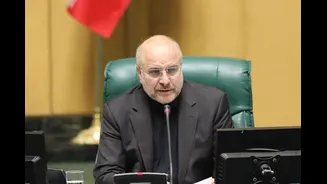
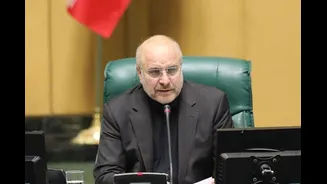
Speaking amid the latest flare-up, Iranian Parliament Speaker Mohammad Bagher Ghalibaf said Washington had failed to realise that “bullying and breaking promises are no longer cost-free.”
“America still hasn’t learned that bullying and breaking promises are no longer cost-free. Let me put it plainly: if you strike, you’ll get hit,” Ghalibaf said.
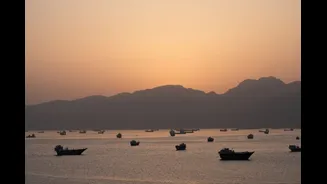
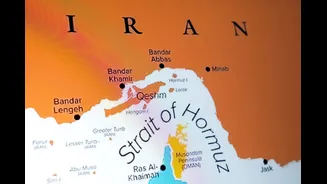
He also warned that the Strait of Hormuz, one of the world’s busiest energy shipping lanes, would operate only under Iran’s terms.
آمریکا هنوز یاد نگرفته است که زورگویی و بدعهدی دیگر بیهزینه نیست. شفاف بگویم: بزنید، میخورید.
دست و پای بیهوده نزنید که بیشتر فرو خواهید رفت: تنگه هرمز، فقط با «ترتیبات ایرانی» باز میشود نه با تهدیدات آمریکایی.
— محمدباقر قالیباف | MB Ghalibaf (@mb_ghalibaf) July 9, 2026
“Don’t flail around pointlessly, or you’ll sink even deeper. The Strait of Hormuz will only open with Iranian arrangements, not American threats,” he said.
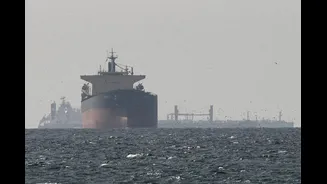
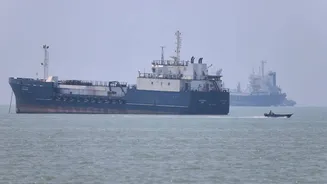
The remarks came hours after the US struck Iran after President Donald Trump ordered fresh strikes on Iran in response to what Washington described as Iranian attacks on commercial vessels transiting the Strait of Hormuz.
Announcing the operation on Truth Social, Trump said the strikes were retaliation for “yesterday’s bombing of ships by Iran” and warned Tehran of harsher consequences if it continued targeting shipping in the strategic waterway.
“If it happens again, it will get much worse!” Trump wrote.
The US Central Command (CENTCOM) said it had carried out strikes on Iranian military infrastructure to degrade Tehran’s ability to threaten freedom of navigation through the Strait of Hormuz, a route that carries around one-fifth of the world’s oil and liquefied natural gas supplies.
Iranian state media reported explosions in Bandar Abbas, Konarak, Chabahar and Kish Island, with parts of Chabahar experiencing power outages following the strikes.
The latest exchange of attacks came after Trump declared the ceasefire with Iran was “over”, prompting calls for restraint from the United Nations, Pakistan, and Qatar, which have been involved in mediation efforts.
Despite authorising military action, Trump later said aboard Air Force One that Iran had reached out seeking a deal, though he dismissed the outreach, describing the Iranian leadership as “sort of crazy.”
The confrontation has also heightened concerns over global energy markets, with oil prices surging after the renewed hostilities and uncertainty surrounding the Strait of Hormuz. Meanwhile, Tehran has reiterated that it intends to control access to the waterway and has warned vessels against deviating from routes authorised by Iran.