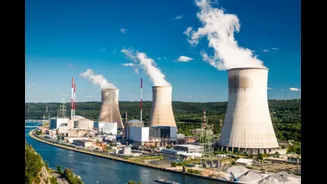








Japan has taken a decisive step toward reviving the Kashiwazaki-Kariwa Nuclear Power Plant, the world’s largest nuclear station, after a key regional vote cleared the way for operations to resume nearly
15 years after the Fukushima disaster reshaped the country’s energy policy.
The plant, located about 220 km northwest of Tokyo, was among 54 reactors shut nationwide following the 2011 earthquake and tsunami that crippled the Fukushima Daiichi Nuclear Power Plant. Since then, Japan has restarted 14 of the 33 reactors deemed operable as it seeks to cut dependence on imported fossil fuels.
On Monday, the assembly of Niigata Prefecture passed a vote of confidence in Governor Hideyo Hanazumi, who backed the restart last month—effectively removing the final political obstacle. “This is a milestone, but it is not the end,” Hanazumi told reporters, stressing that safety oversight would remain paramount.
Kashiwazaki-Kariwa would be the first nuclear facility operated again by Tokyo Electric Power Company (TEPCO), the utility that ran Fukushima Daiichi. Public broadcaster NHK reported that TEPCO is considering restarting the first of the plant’s seven reactors as early as January 20.
The plant’s total capacity is 8.2 gigawatts, which is enough to power several million homes. The planned restart would bring one 1.36-GW unit online next year, with another of similar size targeted around 2030. TEPCO told Reuters that it remains committed to preventing any repeat of past accidents.
Despite the assembly vote, local opposition remains strong. Around 300 protesters gathered outside the legislature, holding banners reading “No Nukes” and “Never Forget Fukushima.” An assembly member opposing the restart called the decision a “political settlement” that ignored public sentiment. A prefectural survey released in October found 60% of residents felt conditions for a restart had not been met, and nearly 70% expressed concern about TEPCO’s operation of the plant.
TEPCO has pledged to invest 100 billion yen over the next decade in Niigata to build support, but scepticism persists, particularly among evacuees from Fukushima who have resettled in the prefecture.
At the national level, the restart aligns with the energy strategy backed by Prime Minister Sanae Takaichi, who has advocated bringing reactors back online to strengthen energy security and curb the cost of imported fuels, which account for 60–70% of Japan’s power generation. The trade ministry estimates that restarting even one Kashiwazaki-Kariwa unit could lift electricity supply to the Tokyo area by about 2%.
Japan aims to double nuclear power’s share of its electricity mix to 20% by 2040 to meet rising demand driven in part by energy-intensive data centres and its decarbonisation goals. Analysts say public acceptance of Kashiwazaki-Kariwa’s restart would mark a critical milestone toward that target.