





Many people struggle to get enough protein in their diet, especially in India, where meals are often heavy on rice, roti and other carbs. Changing long-standing eating habits can feel hard, but small,
consistent steps make it easier over time. With patience and routine, including enough protein in daily meals can become a natural habit rather than a chore.
Raj Ganpath, a Chennai-based fitness trainer with 18 years of experience, is the founder of the Slow Burn Method, co-founder and head coach at Quad Fitness, and author of Simple, Not Easy. He has shared simple tips to increase protein intake while following a traditional Indian diet. In an Instagram video shared on February 9, he explains how simple changes can make meeting daily protein needs much easier.
Changing Habits Takes Time
Raj points out that many Indians don’t get enough protein because their diets have focused on carbs for generations. These habits are deeply ingrained and can’t be changed overnight.
View this post on Instagram
“The truth no one tells you is foundational changes like changing the composition of your diet takes time. Because habit changes take time. You are eating the way you are now because of a habit you (and your family) have built over decades and generations. Eating a lot of carbs is a habit. Not eating enough protein is a habit. The only way to fix it is to go about it slowly, calmly and rationally,” he explains in the video.
Make Protein Part Of Every Meal
The first step is simple: include some protein in every meal. Raj stresses that this small habit can lead to long-term results.
“Make sure every meal you eat contains some form of protein. This is a very simple change. Yes, but remember this is not common among Indian households. We are not used to eating protein along with our regular meals. So, we need to start there. We need to start by building a habit of including something protein in every meal you eat. At this point though, don’t worry about what exactly that food is and how much you’re eating. Simply work on building that habit,” he says.
Choose Real Protein Sources
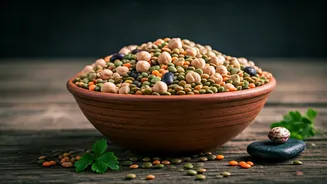
Next, he recommends making sure the protein you eat is substantial. Foods like lentils, milk, or yoghurt contain protein but may not be enough on their own. He suggests foods that are high in protein and lower in carbs, such as meat, eggs, tofu, tempeh, paneer, cheese or soya chunks.
“Number two, once you have built that habit, make sure that that protein rich food that you are eating is actually rich in protein. Not lentils, not milk, not yoghurt. These foods contain protein, but not enough. What you really want are foods that are high in protein and low in carbohydrates like meat, eggs, tofu, tempeh, paneer, cheese and soya chunks. These foods will help you balance your meal and that is precisely what you need,” he says.
Supplement Wisely If Needed
Even with protein in every meal, some people, especially vegetarians, may still fall short. Raj advises using protein supplements carefully, focusing on quality and proper dosage.
“Even after including protein in every meal, there is a very good chance that you don’t get enough protein. If that is the case, it is absolutely fine to supplement as long as you are working with the right brands and as long as you are not abusing the dosage. One to two scoops of protein powder per day per adult is absolutely okay,” he further explains.
Build The Habit Gradually
Finally, Raj stresses patience. Increasing protein intake takes time, and habits should be built steadily.
“See the big picture and take the gradual approach because the goal here is not to increase protein for the next couple of weeks, but for the rest of your life. So, you don’t have to rush it. You don’t have to be under any pressure. Don’t try to go from 30 grams of protein to 100 grams of protein overnight. Start from step one to step two to step three. Gradually build that habit, and try to do a tiny bit better every day,” he says.
Tags: lifestyle, health, Food