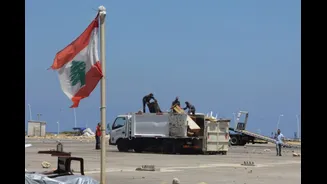





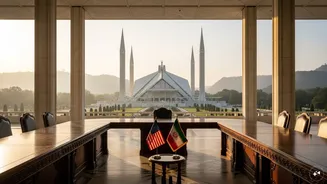


Italy will host the next round of peace talks between Israel and Lebanon in mid-July as the two technically warring neighbours look to cement a fragile transition toward lasting stability.
The upcoming
round of negotiations, scheduled for July 15 and 16, will be held at the ambassadorial level in the Italian capital. Like the multiple iterations preceding it, this critical diplomatic effort is being closely mediated and facilitated by the United States.
“We warmly welcome the announcement that the next round of talks between Israel and Lebanon, facilitated by the United States, will be held in Rome,” Italian Foreign Minister Antonio Tajani stated in a post on X, fittingly describing Rome as the historic “crossroads of peace and dialogue.”
A Crucial Sixth Round of Diplomacy
The Rome summit marks the sixth round of negotiations since the spring between the two neighbouring nations. Israel and Lebanon share no formal diplomatic relations and have been pushed into a catastrophic security crisis since the regional escalation following the outbreak of the war in Gaza.
While previous rounds of talks were hosted across the Atlantic in Washington, D.C., shifting the venue to Europe signals a critical operational phase as envoys attempt to transition a recently signed framework agreement into an actionable, long-term treaty.
The Path To Rome Summit: Conflict & Ceasefire
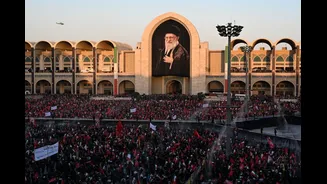
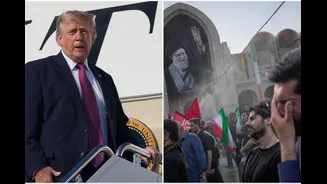
Lebanon was violently pulled into the broader Middle Eastern conflict on March 2. The escalation followed a strike by US and Israeli forces on February 28 that killed Iran’s Supreme Leader, Ayatollah Ali Khamenei—triggering immediate retaliatory missile strikes against Israeli military targets by Hezbollah, an Iran-backed group operating independently within Lebanon.
In response, Israel launched an aggressive, multi-pronged bombardment campaign alongside a comprehensive ground offensive into southern Lebanon. The Israeli military ordered widespread civilian evacuations across southern towns and villages as it advanced to capture several border regions.
According to official claims from Beirut authorities, the intense military campaign resulted in the deaths of nearly 4,300 people and caused widespread collateral damage across Lebanese civilian infrastructure.
The path to diplomacy finally opened last month when Israel and the internationally recognised Lebanese state signed a foundational framework agreement aimed at “lasting peace.” The agreement was signed just five days after Israel and Hezbollah entered a strict ceasefire.
The Central Hurdle: Enforcing State Authority & Disarming Hezbollah
The upcoming ambassadorial talks in Rome will face a monumental geopolitical hurdle: resolving the dual-power structure within Lebanon.
While Hezbollah holds official representation inside Lebanon’s Parliament, it acts as a parallel authority with an independent standing army over which the central government in Beirut exercises virtually no control.
Under the terms of the recent framework agreement, the Lebanese Army is legally required to restore its sovereign authority throughout the south of the country. This mandate effectively demands the disarmament of Hezbollah’s independent factions.
To facilitate this transition, negotiators have designed “pilot zones” where the official Lebanese Army will progressively restore security control. This deployment will follow an incremental withdrawal by Israeli forces, who have explicitly stated that they want ironclad international guarantees that Hezbollah forces will not reoccupy the strategic border territories they leave behind.