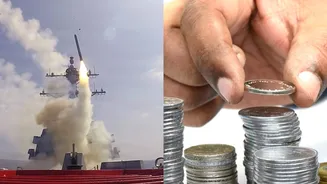








The announcement of a two-week ceasefire between the United States and Iran on Wednesday has sent a wave of relief through global energy markets. For India, which has historically relied on West Asia for
over 60% of its Liquefied Petroleum Gas (LPG) and 85% of its crude oil, the truce is more than just a diplomatic victory—it is a critical reprieve for the national pocketbook.
As the “war premium” on oil evaporates, the focus in India has shifted from managing a “dry out” to calculating when the benefits of the ceasefire will reach the local petrol pump and the kitchen stove.
Will the ceasefire lead to an immediate drop in petrol and diesel prices?
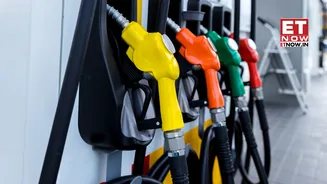
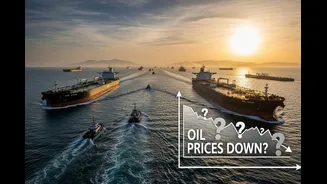
While global crude oil benchmarks like Brent plummeted by nearly 16% to below $93 per barrel immediately after the ceasefire was confirmed, Indian consumers shouldn’t expect a price cut at the pump tonight. Domestic Oil Marketing Companies (OMCs) typically revise retail rates based on a 15-day rolling average of international prices. Currently, petrol remains steady at Rs 94.77 and diesel at Rs 87.67 in Delhi.
However, analysts suggest that if the truce holds and the Strait of Hormuz remains open, a downward revision of Rs 3-Rs 5 per litre could be on the cards within the next 7 to 10 days. The primary headwind remains the Indian Rupee, which is currently hovering near Rs 94.70 against the US Dollar, partially offsetting the gains from cheaper oil imports. For now, the “freeze” on prices is seen as a stabilising measure to prevent further inflationary shocks before the upcoming state elections.
What is the status of LPG and cooking gas supplies?
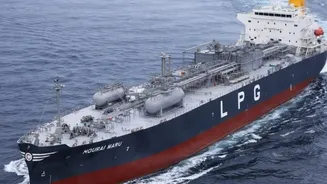
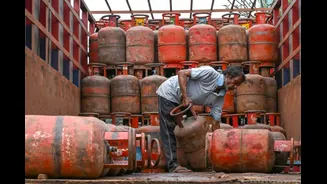
The LPG situation is significantly more sensitive. On April 1, commercial LPG rates were hiked by Rs 195.50, raising the cost of a 19-kg cylinder to over Rs 2,078 in the capital. Domestic 14.2-kg cylinders remained unchanged but were under immense pressure due to a 38%-80% hike in official selling prices by Saudi Aramco and Sonatrach.
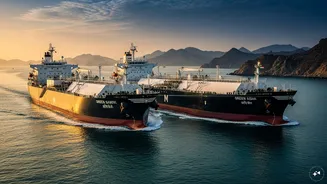
With the ceasefire in place, the “physical” supply of LPG is expected to normalise. During the height of the hostilities, India was forced to prioritise domestic households over commercial users, but the reopening of the Strait allows delayed carriers like the Green Asha and Jag Vasant to resume their schedules without costly naval escorts. The government has also doubled the sales of 5-kg “free trade” cylinders to one lakh per day to manage local shortages, a measure that may be eased as the bulk supply chain from Qatar and the UAE stabilises.
Is the ‘Hormuz toll’ still impacting Indian energy costs?
One lingering concern is the “Tehran toll booth”—the transit fees reportedly demanded by the IRGC for safe passage. While the ceasefire is intended to facilitate “free and safe” navigation, reports suggest that a $1 per barrel security fee (often paid in yuan) established during the war may take longer to dismantle.
For India, this means that even if global prices crash, the “cost of doing business” in the Gulf remains higher than it was in January. To counter this, the Ministry of Petroleum and Natural Gas is continuing its strategy of LPG supply chain resilience, which includes increasing domestic production by diverting propane streams and exploring alternative imports from the US and Norway.
The 14-day ceasefire provides a vital window for India to refill its strategic reserves and stabilise the domestic market. While the immediate “crude crash” is a victory for the government’s fiscal deficit, the Indian consumer’s relief is currently on a “lag”—waiting for the international diplomatic cooling to finally reflect in the local monthly bill.