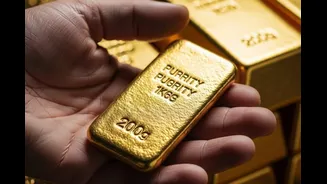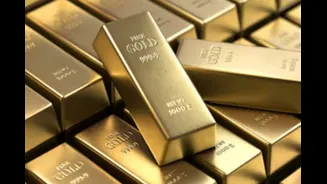









Gold and silver exchange-traded funds (ETFs) rallied sharply on January 29, tracking a strong surge in precious metal prices, with gold ETFs currently outperforming silver-focused funds after several sessions.
On the commodities front, gold futures with February expiry on the Multi Commodity Exchange of India (MCX) jumped nearly 9 per cent to hit an all-time high of Rs 1,80,779 per 10 grams. Contracts with April and June expiries also surged around 9 per cent each to fresh lifetime highs.
Silver futures with March expiry gained about 6 per cent to touch a record high of Rs 4,07,456 per kilogram, while May and July contracts also climbed around 6 per cent each to new lifetime highs.
Why are gold and silver prices rising?
Analysts point to a combination of macro uncertainty, geopolitical tensions and shifting investor preferences.
“Growing US debt and uncertainty created by signs that the global trade system is splintering into regional blocs as opposed to a U.S.-centric model (are leading investors to pile into gold),” Reuters quoted Edward Meir, analyst at Marex, as saying.
Geopolitical concerns have also intensified after US President Donald Trump urged Iran to enter negotiations and strike a deal on nuclear weapons, warning that any future US attack would be more severe than the one carried out in 2025 on Iranian nuclear sites. Tehran, in turn, threatened retaliation against the US, Israel and their allies.
Adding to the momentum, the US Federal Reserve kept interest rates unchanged, as widely expected, while gold also found support from a crypto group’s plans to allocate 10-15 per cent of its investment portfolio to physical gold.
Gold, silver ETFs: How funds performed
Reflecting the sharp rally in underlying prices, gold ETFs saw stronger gains than silver ETFs.
- Kotak Gold ETF surged over 13 percent to hit a fresh all-time high of Rs 155 per unit
- Baroda BNP Paribas Gold ETF gained around 10 percent
- Axis Gold ETF, 360 ONE Gold ETF, Union Gold ETF, LIC MF Gold ETF and others rose about 9 percent each
Among silver funds, Motilal Oswal Silver ETF climbed around 8 percent to a lifetime high of Rs 371.91, while Nippon India Silver ETF and a few others also gained nearly 8 per cent.
Gold vs silver: Is the tide turning?
According to Motilal Oswal Financial Services, silver has delivered an exceptional rally of over 200 percent in the past 12 months, far outperforming gold’s 80 per cent rise over the same period, making silver one of the best-performing global assets.
However, the brokerage noted that this sharp outperformance has compressed the gold–silver ratio, which has fallen from pandemic highs of 127 to around 50 at the beginning of 2026.
“This reset suggests that while the long-term outlook for precious metals remains constructive, the near-term risk-reward equation may now be shifting in favour of gold after silver’s outsized run,” Motilal said.
“Silver has delivered sharp outperformance in a short span, and with the gold–silver ratio now near lower levels, the near-term risk-reward is turning more favourable for gold. While we remain positive on both metals and silver continues to have long-term upside backed by industrial demand and tight physical market conditions, the recent rally has also increased near-term volatility. In this phase, a higher allocation to gold can help manage fluctuations while staying invested in precious metals,” said Navneet Damani, Head of Research – Commodities, and Manav Modi, Commodities Analyst, Motilal Oswal Financial Services.
What should investors do now?
Motilal Oswal clarified that it does not hold a negative view on silver, but recommends a risk-managed reallocation after the sharp rally. The brokerage highlighted that silver has become more volatile, while gold continues to offer relatively better stability.
It also pointed out that global silver ETFs have seen outflows of over 3 million ounces since the start of 2026, whereas gold ETFs have witnessed steadier inflows, reflecting a tilt towards defensive positioning.
The brokerage advises a 75 per cent allocation to gold and 25 per cent to silver, favouring gold as a near-term hedge while retaining exposure to silver’s long-term structural upside.
“Going forward, we believe investors can benefit from a rebalanced precious metals strategy — retaining silver as a long-term structural theme, while increasing gold allocation to manage near-term volatility and capture a potentially stronger risk-adjusted opportunity in the next phase of the cycle,” Damani said.