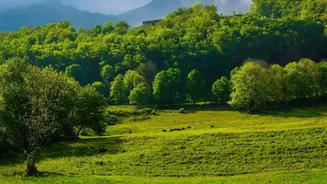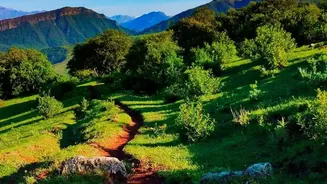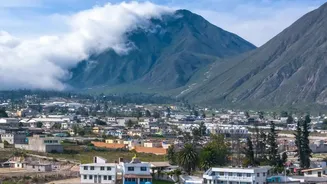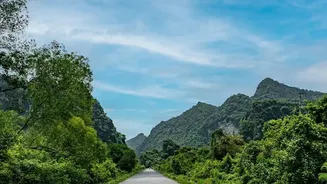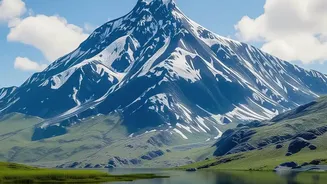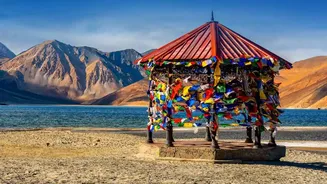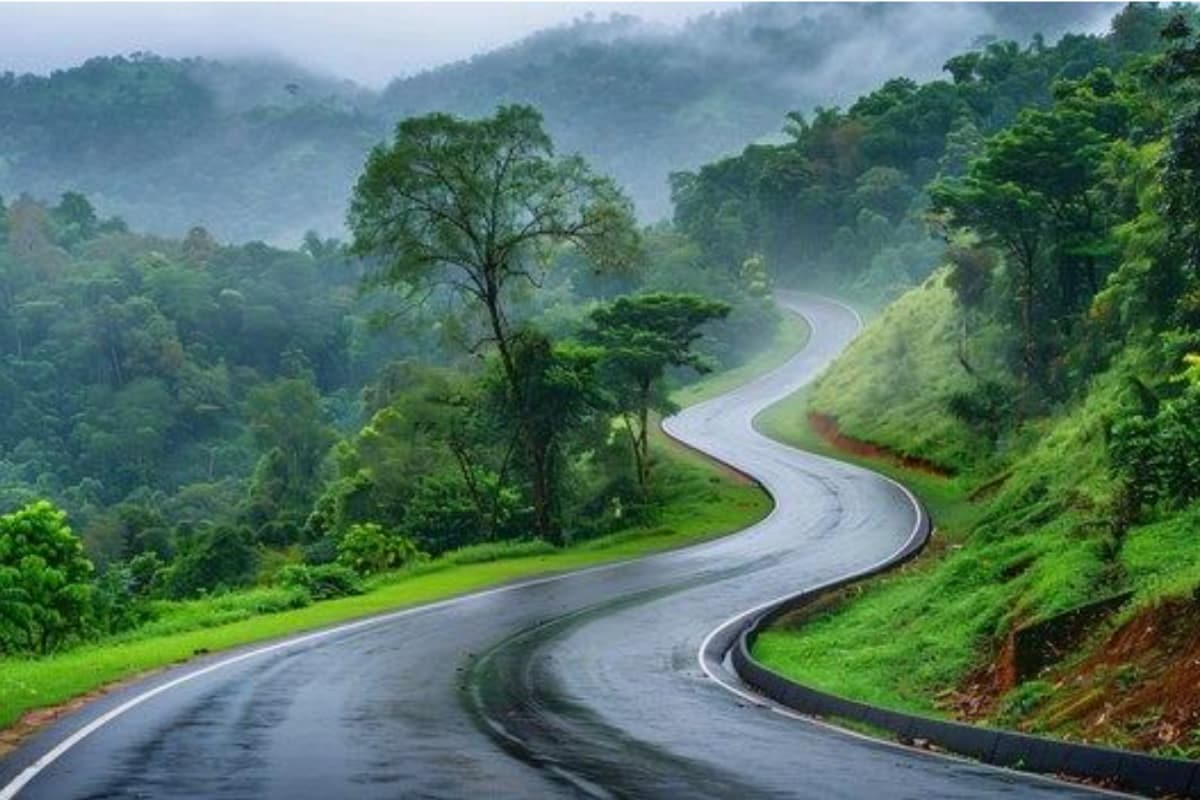




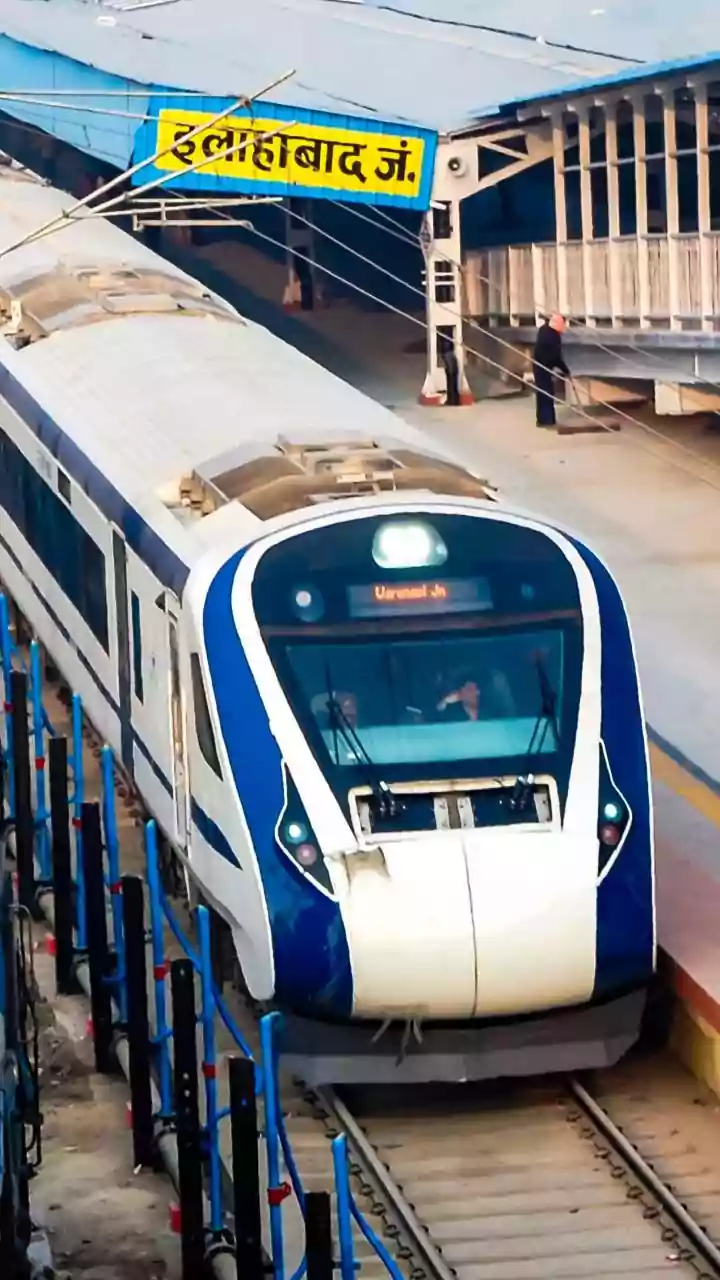
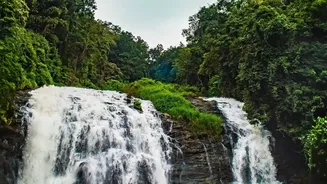
The monsoon does more than transform India’s landscapes. It changes the experience of travelling through them. Roads that may seem familiar for much of the year take on an entirely different character
once the rains arrive, mountain passes disappear into mist, forests turn impossibly green, waterfalls emerge along winding highways and coastal roads acquire a dramatic new energy.
For travellers willing to plan carefully and respect changing conditions, the rainy season can be one of the most rewarding times to explore India by road. Whether experienced from the seat of a motorcycle or behind the wheel of a capable four-wheeler, the journey becomes as much about the landscape and the conditions as it is about the destination.
Coorg To Ooty: A Ride Through The Mist
Few routes capture the romance of a monsoon road journey quite like the stretch between Coorg and Ooty. Winding through the Western Ghats, the route passes through coffee estates, dense forests and mountain roads punctuated by hairpin bends. During the rains, mist drifts across the hills, while the surrounding landscape takes on deeper shades of green.
For Boman Rustom Irani, co-founder of Classic Legends, makers of Jawa, Yezdi and BSA motorcycles, the route has a personal significance. “Every rider has that one route they keep going back to. For me, it’s the ride from Coorg to Ooty. I’ve ridden it many times over the years and the monsoon changes it completely,” he says.
“The forests deepen in colour, mist drifts across the road and every bend opens to a different view,” Irani adds. “As a rider, you must stay alert because conditions are constantly changing, but that’s also what makes the journey so engaging.”
There are stretches through coffee estates, forest corridors and mountain roads that seem to offer a different view at every turn. For Irani, the fact that the same route can feel different on every ride is precisely what makes it special.
When The Journey Moves To Four Wheels
If two wheels offer an intimate way of experiencing India’s monsoon roads, four wheels bring a different kind of adventure. Wet mountain roads, slippery surfaces, uneven tracks and seasonal streams can make familiar routes feel completely new and for those who enjoy venturing beyond conventional highways, changing terrain becomes part of the attraction.
Kumar Priyesh, Director, Automotive Brands, Stellantis India, believes the monsoon has a particular ability to transform even familiar journeys.“The monsoon has a unique way of transforming every journey. A familiar trail can become more challenging, more rewarding and often far more memorable once the rains arrive,” he says.
But the appeal of a monsoon drive is not simply about vehicle capability. It is also about the places that become accessible, the landscapes that change with the weather and the sense of discovery that comes from taking a road less travelled.
That spirit is reflected in the Jeep community as well, with organised trail drives and experiential journeys bringing together adventure enthusiasts across different parts of the country. For experienced off-roaders and first-time participants alike, such journeys can offer opportunities to learn about terrain, share knowledge and develop greater confidence behind the wheel.
Amboli Ghat: Into The Fog
Back on the winding roads of the Western Ghats, Amboli Ghat in Maharashtra offers one of the country’s most atmospheric monsoon drives.
Dense forests, heavy rainfall and thick fog can transform the route into an almost cinematic landscape. Waterfalls and streams become more prominent during the season, while the winding mountain road demands patience and concentration.
The appeal lies in the contrast: the landscape is at its most dramatic precisely when driving conditions require the greatest care. For anyone travelling through the region during heavy rain, reduced visibility, slippery surfaces and sudden changes in weather make it essential to slow down and stay alert.
Cherrapunji To Mawlynnong: Where Rain Becomes The Landscape
In Meghalaya, the monsoon feels less like a season and more like a defining feature of the landscape. The route between Cherrapunji and Mawlynnong takes travellers through one of the wettest parts of India, where rain-fed waterfalls, forest corridors, winding roads and living root bridges create an environment unlike almost anywhere else in the country.
The journey is not necessarily about covering distance quickly. It is about watching the landscape change around you. Waterfalls appear beside roads, clouds settle over the hills and the greenery becomes almost overwhelming.
The region’s weather can also change quickly, making local road conditions and accessibility important considerations before setting out.
Maravanthe: Where The Sea Runs Alongside The Road
Not every memorable monsoon journey involves mountain roads. Along Karnataka’s Maravanthe Coastal Highway, the Arabian Sea runs almost alongside the road, creating one of India’s most unusual scenic drives.
The monsoon gives the coastline an especially dramatic quality. Dark clouds, lush vegetation and the restless sea combine to create a landscape that feels very different from the postcard version of the coast.
It is a route best experienced without rushing, one where the changing scenery becomes as important as the destination itself.
Valparai: Hairpins Through The Anamalai Hills
For those who enjoy winding mountain roads, Valparai in Tamil Nadu offers a more immersive driving experience. The route is famous for its succession of more than 40 hairpin bends as it climbs through the Anamalai Hills, passing tea plantations, forests and expansive viewpoints.
During the monsoon, the hills become greener, clouds gather around the higher stretches and the road takes on a different rhythm. For touring enthusiasts travelling on either two wheels or four, the combination of landscape, elevation and changing conditions makes the route particularly rewarding.
It is also a reminder that monsoon driving is as much about adapting to the road as enjoying it.
Tamhini–Mulshi: Maharashtra At Its Greenest
The Western Ghats continue to offer some of India’s most memorable rainy-season drives. The Tamhini–Mulshi region in Maharashtra is transformed by cascading waterfalls, lush greenery and rain-soaked landscapes.
A road that may seem familiar during the drier months can feel almost entirely renewed once the monsoon arrives. Waterfalls emerge along the hillsides, streams swell and the surrounding forest becomes intensely green.
For travellers, the experience is immersive, but the conditions demand caution. Slippery surfaces, sudden showers and reduced visibility can make the journey unpredictable, making route planning and sensible speeds particularly important.
Valparai To Athirapally: Through Forest And Water
Further south, the Valparai–Athirapally route brings together many of the elements that make monsoon road travel so appealing: winding roads, dense forests, dramatic viewpoints and waterfalls framed by the rains.
The route is particularly suited to travellers who enjoy the journey as much as the destination. The landscape shifts from hills to forest and water, creating the feeling of travelling progressively deeper into the wilderness.
For drivers and riders alike, it is the changing character of the landscape that makes the route memorable.
Goa To Dudhsagar: A Wilder Side Of Goa
The Goa–Dudhsagar region offers another perspective on India’s rainy-season road journeys. Away from Goa’s familiar beaches and nightlife, the monsoon reveals a greener, wilder side of the state.
Forest tracks, seasonal streams and rain-fed landscapes create a very different experience during the wet season. However, access and road conditions can change considerably with heavy rainfall, so travellers should check local advisories and restrictions before setting out.
For those who do make the journey, the reward is an experience that feels far removed from the conventional Goa itinerary.
Beyond The Western Ghats
India’s appeal as a road-trip destination extends far beyond its famous monsoon routes.
The high-altitude landscapes of Ladakh and Lahaul-Spiti offer dramatic mountain terrain and constantly changing vistas, while the desert tracks around Jaisalmer provide an entirely different driving environment. In the Northeast, Meghalaya’s rain-fed roads and forest corridors showcase yet another side of India’s extraordinary geographical diversity.
Not every destination experiences the monsoon in the same way, but together these regions demonstrate the sheer variety of terrain available to those who want to explore India by road.
The attraction is not simply the road itself. It is the relationship between the vehicle, the landscape and the conditions, and how all three can change the character of a journey.
The Art Of Driving In The Monsoon
The beauty of monsoon road travel comes with an obvious caveat: the weather cannot be controlled. Rain can reduce visibility, increase braking distances and make surfaces slippery. Mountain routes may be affected by landslides, while streams and water crossings can become unpredictable. The safest journeys are therefore those planned around the conditions rather than against them.
Modern rider and driver-assistance technologies can help provide greater confidence in changing conditions. On motorcycles, features such as traction control and dual-channel ABS can assist riders when roads become wet or unpredictable. On four wheels, four-wheel-drive systems and terrain-management technologies can help drivers adapt to changing surfaces.
But technology is only one part of responsible travel. Checking weather and road conditions before departure, avoiding unnecessary risks, maintaining appropriate speeds and respecting local restrictions remain essential.
For Jeep enthusiasts, this combination of capability and responsibility forms an important part of the adventure culture.
As Priyesh explains, “Equally important is the vibrant Jeep community that brings together like-minded adventurers to explore responsibly, learn from one another and develop the skills needed to enjoy the outdoors safely.”
The emphasis, ultimately, is on exploration without losing sight of the environment or the conditions.
The Road Becomes The Destination
Perhaps that is what makes monsoon road trips so compelling. The rains strip away the predictability of familiar routes and reveal a different version of the landscape.
A mountain can suddenly appear through drifting mist. A waterfall can emerge beside a road that looked completely ordinary a few months earlier. A forest corridor can become greener, darker and more dramatic. Even a familiar drive can feel like a new journey.
From the winding roads of Coorg and Ooty to the forests of Meghalaya, the coastal stretches of Karnataka and the mountain routes of Tamil Nadu and Maharashtra, India’s monsoon landscapes offer countless ways to experience the country from the road.
The most memorable journeys, after all, are rarely measured only in kilometres. They are remembered for the weather, the landscape, the unexpected turn, the road disappearing into the mist and the feeling of discovering somewhere familiar as though it were entirely new.
During the monsoon, India’s roads don’t simply take you somewhere. They become part of the adventure.