




Hansal Mehta has long been recognised as one of India’s most emotionally observant storytellers. Whether through the raw realism of Shahid, the intimacy of Aligarh, the unsettling tension of Scam 1992
or the deeply human narratives that run across his body of work, the filmmaker has consistently explored identity, memory and the quieter emotional truths that shape people’s lives.
His latest creative venture steps into a very different space, food, but remains rooted in the same emotional sensibility.
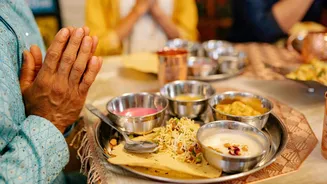
Created by Hansal Mehta in collaboration with Chef Shamsher Ahmed, Khana Dil Se approaches food not as spectacle, but as inheritance. The series explores India’s homes, cultures and personal histories through recipes that carry generations of memory within them. Instead of treating dishes as isolated culinary creations, the storytelling places them within the context of family traditions, migration, nostalgia and belonging.
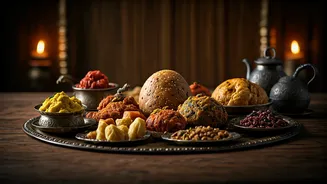
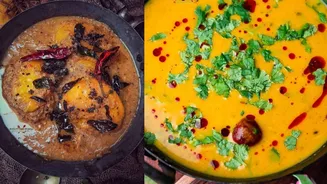
Among the dishes explored are the Gujarati classic Undhiyu, layered with seasonal vegetables, green masala and soft methi muthiyas and the slow-cooked Nihari, a dish deeply embedded in Mughlai culinary history. Both recipes become more than meals; they unfold as reflections of regional identity and lived experience.
Among the recipes featured is the Gujarati classic Undhiyu, a slow-cooked medley of seasonal vegetables, fresh green masala and soft methi muthiyas that reflects the warmth of community cooking and festive family meals.
Undhiyu
Ingredients
For the Undhiyu
Surti papdi (flat beans) – 250g
Valor (field beans), shelled – 200g
Sweet potato, peeled and thickly sliced – 1
Small eggplants (brinjal) – 5–6
Fresh green peas, shelled – 1 cup
Kand (purple yam), peeled and thickly sliced – 1
Raw plantains, cut into medium pieces with skin on – 2
Green garlic (or regular garlic + ginger)
Grated coconut, for garnish
For the Green Masala
Freshly grated coconut – ½ cup
Fresh coriander leaves – 1 cup
Green chillies – 3
Ginger – 1 tbsp
Sugar – 1 tsp
For the Tadka
Oil – 3 tbsp
Black mustard seeds – 1 tsp
Cumin seeds – 1 tsp
Dried red chilli – 1
Hing (asafoetida) – 1 pinch
For the Muthiya
Besan (gram flour) – 1 cup
Fresh methi leaves, chopped – ½ cup
Turmeric – ¼ tsp
Red chilli powder – ½ tsp
Sugar – ½ tsp
Salt – ½ tsp
Hot oil – 1 tbsp
For the Puri
Wheat flour – 2 cups
Salt – a pinch
Oil for kneading and frying
For the Chaas
Fresh yogurt – 1 cup
Cold water – 2 cups
Roasted cumin powder – ½ tsp
Salt – a pinch
Sugar – a pinch
Fresh coriander leaves, finely chopped – 2 tbsp
Green chilli, finely chopped – 1 (optional)
The series also revisits Nihari, a dish steeped in Mughlai culinary history and slow-cooked tradition. Built on layers of caramelised onions, whole spices, curd and tender mutton simmered patiently over time, the recipe reflects the richness and depth that define old-world cooking.
Nihari
Ingredients
Oil
500g sliced onions (for frying)
300g chopped onions
Shahi cumin seeds
4–5 black cardamoms
1 bay leaf
Cinnamon
Mutton
Roasted and ground coriander seeds
Kashmiri red chilli powder
Spicy red chilli powder
½ tsp turmeric powder
Salt to taste
3 tbsp ginger, garlic and green chilli paste
½ cup beaten curd (or coconut milk for a dairy-free version)
Water
2 tsp cornflour mixed with ½ cup water (slurry)
Mace powder
Green cardamom powder
Garam masala powder
1 tbsp kewra water
Garnish
Fried onions
Fresh coriander, finely chopped
Green chilli, finely chopped
Fresh mint
Lemon wedges
For The Khamiri Roti
2 cups whole wheat flour
¾ cup refined flour
Salt – a pinch
1 tbsp sugar
½ tsp yeast
2 tbsp ghee
Hot water for kneading
What makes the storytelling compelling is that the dishes never exist in isolation. Each recipe becomes a reflection of geography, memory and lived experience, less about perfect presentation and more about emotional connection.
In an era dominated by quick recipes and trend-driven food content, the series slows things down, reminding viewers that some of the most meaningful meals are the ones tied to family histories, regional traditions and stories passed quietly across generations.