







In India, mangoes are more than just a fruit—they are nostalgia, summer, and celebration rolled into one. But beyond the familiar crates of Alphonso and Dasheri lies a fascinating, lesser-known world where
mangoes are not just eaten—they are curated, gifted, and even auctioned like rare jewels.
From Street Stalls to Auction Houses
While the dozen sells most mangoes, some varieties are priced like fine art. At the top of this exclusive ladder sits Japan’s Miyazaki mango, often called the “Egg of the Sun.” Known for its deep ruby-red colour and exceptionally high sugar content, this mango is grown under tightly controlled conditions and carefully graded for perfection.
The finest specimens have fetched thousands of dollars at auctions, with premium pairs selling for as much as $3,000.
Even in India, where it is now being cultivated in small quantities, the Miyazaki mango can cost anywhere from Rs 2,000 per kg domestically to several lakhs per kg in international markets, making it one of the most expensive fruits in the world.
India’s Own Royal Mango Legacy
Luxury in mangoes is not just a global phenomenon; it has deep roots in India’s culinary and royal history.
The Kohitur mango, a rare variety, was once cultivated exclusively for Nawabs. Its delicate nature requires careful harvesting, and its limited availability has turned it into a symbol of exclusivity even today.
Another mango called the Noorjahan, named after the Mughal empress, is known for its extraordinary size, sometimes weighing up to 3 kg. It is as much a spectacle as it is a fruit, often priced at hundreds or even thousands per piece.
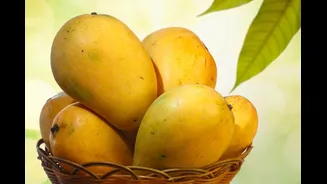
And of course, the iconic Alphonso, or Hapus, remains India’s most celebrated export. With its saffron-hued pulp, rich aroma, and creamy texture, Alphonso continues to dominate premium markets globally, often commanding high prices during peak season.
What Makes A Mango ‘Luxury’?
The world of expensive mangoes blurs the line between food and luxury. These are not the mangoes you casually slice on a summer afternoon—they are savoured, displayed, and sometimes even collected.
The price tag isn’t just about taste; it is about precision, rarity, and experience.
Luxury mangoes are typically grown in controlled environments, sometimes even in greenhouses, where each fruit is individually nurtured and closely monitored for its colour, size, and sugar levels.
Their limited supply further adds to their rarity, making them highly sought-after.
Presented as gifts, especially in countries like Japan, where premium fruits are a cultural symbol of respect and status
In fact, in Japan, fruits like mangoes are often bought not for daily consumption, but as luxury gifts, beautifully packaged and meant to impress.
And yet, there’s a poetic contrast. Whether it is a Rs 50 roadside mango or a Rs 3 lakh Miyazaki, the joy it brings remains deeply personal and unmistakably universal.