







Russia made a series of pointed statements on Greenland, Iran, the United States and Nato, pushing back against Western narratives amid continuing tensions over the war in Ukraine. Rejecting claims by
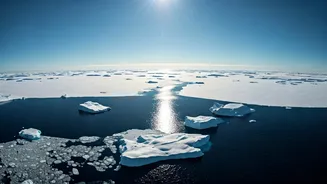
US President Donald Trump that Greenland faces a looming threat from Russia and China, Russian Foreign Minister Sergei Lavrov said Moscow has “no interest” in interfering in the Arctic territory.
“In principle, Greenland is not a natural part of Denmark, is it?” Sergei Lavrov said, adding, “It was neither a natural part of Norway nor a natural part of Denmark. It is a colonial conquest. The fact that the inhabitants are now accustomed to it and feel comfortable is another matter.”
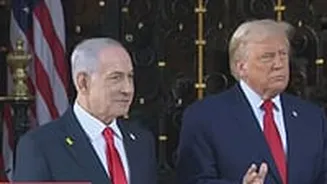
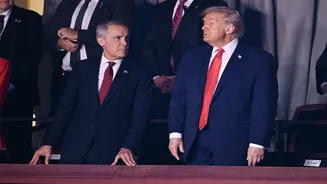
Donald Trump has repeatedly argued that the Greenland, a self-governing region of Denmark, should come under complete US control, citing national security concerns. The US President has also announced tariffs on goods from European allies opposing any potential US takeover of the island.
While denying any immediate interest in Greenland, Sergei Lavrov stopped short of dismissing the broader geopolitical debate around the territory.
Turning to Iran, Sergei Lavrov said Russia would continue economic engagement with Iran despite pressure from Washington.
“I see no reasons to stop joint projects with Iran, despite US threats to raise tariffs,” he said, adding that “Russia will trade with Iran as it sees fitting.”
On Nato, Sergei Lavrov accused the Western military alliance of preparing for a direct confrontation with Russia.
“Nato is seriously preparing for a war with Russia. They are not hiding this fact,” he said.
He further claimed that internal discussions were under way within NATO about the alliance’s future, alleging that one member state was considering hostile action against another- a remark likely to sharpen already strained relations between Moscow and Western capitals.
The comments come as Russia continues to face diplomatic isolation and economic sanctions over its invasion of Ukraine, with Arctic security, trade alignments and military posturing emerging as key fault lines in the widening geopolitical standoff.