









The human body responds differently to each season, and summer is no exception. As temperatures rise, the body has to work harder to maintain its internal balance. This added strain can slow down digestion,
increase water loss, and often reduce appetite. Naturally, our dietary choices need to adapt with the season.
As the heat intensifies, the focus should shift to foods that are nourishing, hydrating, cooling, and easy to digest. Hot and spicy foods are best avoided during this season, as they tend to raise body temperature and create a heating effect. Dr Mazherunnisa Begum, BUMS, MD, Senior Consultant, Hamdard Laboratories, India, explains what an ideal summer plate should include.
Reach for Cool, Hydrating, Water-Rich Foods
Cucumber, rich in fibre and water, helps regulate body temperature and prevents bloating. Watermelon, packed with water, antioxidants, and Vitamins A and C, supports digestion and hydration. Grapes and berries such as strawberries and blueberries are rich in antioxidants and Vitamin C, helping fight inflammation and keeping the skin glowing in the summer heat.
These fruits are also easy to digest, have a natural cooling effect, and help maintain the body’s water and electrolyte balance.
Include Cooling Dairy and Herbs
Buttermilk, yoghurt, and curd are excellent choices during summer because of their cooling properties. Rich in probiotics and low in fat, they aid digestion while boosting hydration.
Mint is another refreshing ingredient that can help relieve digestive discomfort, nausea, and headaches caused by excessive heat. It can be enjoyed in lemonade, tea, or chutney.
Add Leafy Greens and Citrus Fruits
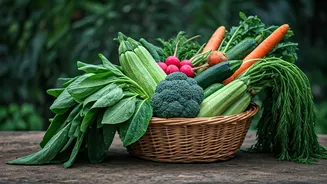
Leafy greens such as spinach and lettuce are packed with water, vitamins, and minerals. They are best consumed after blanching or sautéing and pair well with lean protein.
Citrus fruits like oranges, lemons, and sweet lime are loaded with Vitamin C and antioxidants, which help support immunity and keep the body refreshed.
Make Room for Bottle Gourd and Light Cereals
Bottle gourd is naturally cooling, low in calories, rich in water, and beneficial for digestion. Light meals prepared with simple cereals such as rice, sorghum, or millets are ideal during summer, as they do not generate excessive heat during digestion while still providing essential nutrients.
When paired with leafy salads and water-rich fruits, these meals become even easier to digest and more nourishing.
Avoid Foods That Strain Digestion
Greasy, oily, spicy, fried, sugary, and improperly stored foods should be avoided during summer, as they can contribute to indigestion and increase the risk of food poisoning.
Home-cooked meals offer greater protection against both foodborne illnesses and heat-related discomfort. Ragi malt, for instance, is easy to digest, rich in calcium, and provides sustained energy.
Eat Small, Frequent, and Fresh Meals
Eating smaller, more frequent meals and choosing fresh foods over processed options can help ease the digestive sensitivity that often accompanies summer.
Ingredients such as isabgol, bael fruit, sabza seeds, chia seeds, and tragacanth gum can help cool the gastrointestinal tract and combat heat exhaustion because of their mucilage-forming properties.
Prioritise Hydration Throughout the Day
Plain water acts as a natural coolant for the body, helping to regulate internal temperature. Adequate hydration supports gut health, promotes kidney and heart health, improves muscle function during physical activity, and aids digestion.
It is important to drink water regularly, even when you do not feel thirsty. Coconut water is another excellent option, as it helps prevent dehydration and replenishes essential minerals.
Ultimately, the key is to build a balanced summer plate by combining seasonal produce, whole grains, and lean proteins while being mindful of portion sizes. These simple dietary adjustments can go a long way in protecting against common seasonal concerns such as heat exhaustion, digestive issues, and energy crashes.