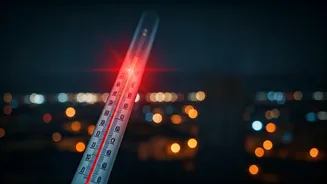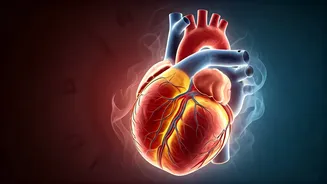





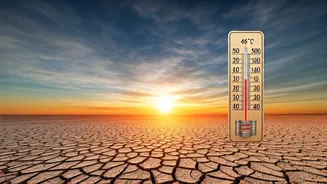
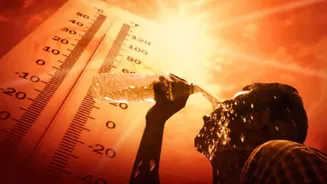
Heat stroke was traditionally associated with brief periods of intense daytime heat. However, it is now increasingly recognised as a condition driven by prolonged exposure that extends well beyond peak
afternoon hours, even into the night. The nature of heat stress has evolved, with vulnerability now spanning a full 24-hour cycle.
As Dr Ravi Kesari, MBBS, MD (Internal Medicine), Apollo Spectra Hospital, Bengaluru, explains, heat exposure today is less about intensity and more about accumulation over time.
Thermal Accumulation and Delayed Effects
The body maintains thermal balance through sweating and heat dissipation. However, under prolonged heat exposure, these mechanisms become increasingly impaired. With continuous exposure, heat gradually builds up in the body, regardless of when peak temperatures occur.
“Thermal balance is achieved through sweating and heat dissipation, but under prolonged exposure, this mechanism becomes impaired. Heat gets stored in the body, and symptoms may not appear immediately, they can present later in the evening or even at night,” explains Dr Kesari.
Dehydration and electrolyte imbalance further disrupt thermoregulation, increasing the risk of heat stroke.
Night-Time Heat and Incomplete Recovery
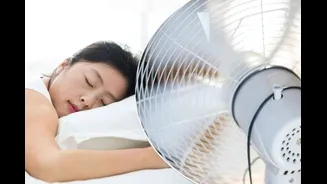
A major concern now is the lack of adequate cooling at night. Typically, nighttime allows the body to release accumulated heat, but rising night temperatures are disrupting this recovery cycle.
“When the body does not cool down at night, a state of constant heat stress is maintained. Core temperature and heart rate remain elevated, and the next day begins with an already stressed system,” says Dr Kesari.
This means the body never fully resets, leading to cumulative strain over consecutive days.
Urban Heat and Continuous Exposure
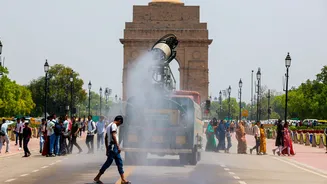
Heat exposure is no longer limited to direct sunlight. Urban environments with dense construction, concrete surfaces, and minimal green cover, trap and slowly release heat, keeping temperatures high even after sunset.
“Heat exposure is no longer limited to a few peak afternoon hours; it has become a sustained condition throughout the day,” notes Kulpreet Sahni, Founder and CEO, Chiltier.
“The disappearance of natural recovery periods means even early mornings and late evenings carry residual heat and humidity, preventing the body from cooling effectively.”
High humidity further compounds the issue by reducing sweat evaporation, weakening the body’s natural cooling system, even indoors.
From Intermittent to Continuous Heat Stress
For those working outdoors or commuting in hot conditions, heat exposure is no longer intermittent, it is constant.
“Prolonged exposure, especially without adequate hydration or cooling breaks, significantly increases the risk. Avoiding midday sun alone is no longer enough,” adds Dr Kesari.
This shift demands a rethink of how individuals approach daily heat protection.
A Medical Emergency with Systemic Impact
According to Dr. Pradeep MV, Consultant, Critical Care Medicine, Apollo Hospitals, Sheshadripuram, heat stroke is far more than just overheating, it is a life-threatening systemic condition.
“Heat stroke is marked by a core body temperature above 40°C and severe central nervous system disturbances such as delirium, seizures, or coma. It is now understood as a form of systemic inflammatory response that can rapidly progress to multi-organ dysfunction,” he explains.
A severe inflammatory response, often described as a cytokine storm combined with heat-induced gut damage can trigger widespread complications, including clotting disorders and organ failure.
Why Early Action Matters
Survival in heat stroke cases is directly linked to how quickly the body is cooled.
“Rapid cooling is critical. The goal is to reduce core temperature by 1°C every 10 minutes. Delays can significantly increase the risk of long-term complications,” says Dr Pradeep.
Even after recovery, individuals may face lasting neurological effects and increased sensitivity to heat.
A Shift from Reactive to Continuous Prevention
The key takeaway is clear: heat stroke is no longer just about peak heat, it is about prolonged and persistent exposure.
“This prolonged exposure creates cumulative physiological strain, affecting cognitive clarity, reaction time, and productivity well before severe symptoms appear,” adds Sahni.
Preventive measures must now extend across the entire day and night, focusing on hydration, electrolyte balance, cooling strategies, improved ventilation, and regular breaks from heat exposure.
Early warning signs should never be ignored, as timely action can prevent escalation into a life-threatening emergency.