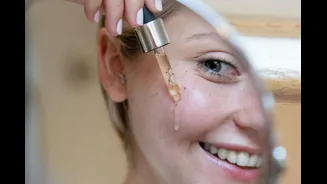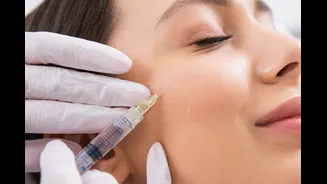








Cosmetic surgery can be seen at two ends of the spectrum – it is being shaped by trends seen on social media and followed by influencers, celebrities and the fashion industry. However, on the other side,
it has become a genuine intervention that can help those who are facing not just physical but also emotional and psychological issues.
It’s important to define and distinguish the line between vanity and sanity, popularity and prudence, and short-term gains and delayed gratification. The right aesthetic needs of a person can only be determined by a trained medical professional, which is a plastic surgeon or a dermatologist.
Dr Anmol Chugh, Associate Director & Head, Plastic & Aesthetic Surgery, CK Birla Hospital, Gurugram, shares the factors that make cosmetic surgery more than just vanity:
Trending Tales of Cosmetic Surgery
In the latest ISAPS Global Survey, it was reported that approximately 40 million aesthetic procedures worldwide in 2024, including almost equal numbers of surgical and non-surgical treatments, were performed. The rate of cosmetic treatments has doubled globally in the post-COVID era.
In this era, people have become more conscious of how they look. As trends of reels, selfies and video calls increase, so does the demand for changes in the aesthetic aspects of an individual. Procedures such as eyelid surgery, liposuction, and facial contouring now dominate global rankings.
There are trends like cat eyes, which became popular in Korea and then globally, or the BarbieTox trend, which involved getting Botox in the shoulders to get a more contoured and defined neckline.
Impact of Social Media
Research has shown that social media has had a greater impact on the younger population when it comes to aesthetics. More youngsters are now conscious of how their face looks snatched or whether they have 6-pack abs like their favourite celebrity. Snapchat or Instagram filters related to beauty have increased the expectations and sometimes create an unachievable expectation.
As the emotional needs are not fulfilled due to unrealistic expectations, this can lead to severe problems like anxiety, depression, panic and other mental health issues.
Body dysmorphic disorder (BDD)
BDD is a scientifically defined disorder where a person fails to understand normal-looking features in his or her own body and is looking for an aesthetic transformation. As the surgery does not address the underlying psychological pathology, symptoms can worsen if any cosmetic intervention is done in these patients. A mental health professional’s help
must be sought for correct diagnosis and management.
When is the line crossed?
• Procedures are offered without proper physical and psychological assessment and needs
• Risks are not adequately highlighted to meet targets
• Unethical Marketing targeting vulnerable groups
• No government regulations on who can perform aesthetic treatments.
Responsibility at Large
To maintain the long-term safety and ethical care and to help patients make the right choice for their facial and body aesthetic works, legal guidelines should be made. A proper screening mechanism, an interdisciplinary approach, rigorous counselling and transparency in patient care need to be devised. The use of ethical, responsible marketing and ensuring that these treatments are done by trained professionals like plastic surgeons and dermatologists is the need of the hour. Ultimately, responsibility does lie with healthcare professionals to project cosmetic surgery as long-term aesthetic healthcare, which ensures safety, empathy, and restraint.