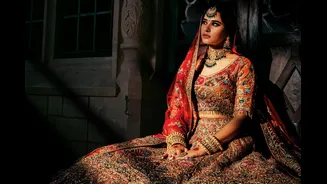

For most families, the bridal outfit is one of the single biggest expenses of a wedding. It is bought with care, worn once, photographed endlessly, and then stored away for years. Increasingly, brides
and parents are pausing to ask a simple question: does this make sense anymore? The idea of owning a new designer bridal outfit is beginning to loosen. Across Indian cities, brides and grooms are quietly rethinking what it means to invest in wedding wear, not by rejecting luxury, but by questioning permanence.
Renting couture, reworking heirloom garments, and choosing outfits that can be worn again are no longer fringe ideas. They are becoming deliberate, financially conscious choices that reflect changing values around luxury, sustainability and practicality.
What was once considered an unquestionable purchase is now being scrutinised, often at the dining table rather than the boutique. Parents are calculating cost-per-wear. Brides are thinking about wardrobe space, future relevance and whether a heavily embroidered lehenga truly reflects how they want to spend their money.
According to Aanchal Saini, CEO of Flyrobe, this shift is no longer driven purely by budget constraints. “Earlier, rentals were largely chosen by people who were financially conscious and looking to save,” she says. “Today, many of our users can afford to buy. They rent because it feels like a smarter choice for outfits worn once.”
What has changed, she explains, is intent. Sustainability-led renters arrive with confidence rather than compromise. They see rental as a lifestyle decision, one that allows access to luxury without long-term excess. In contrast, budget-led renters still approach it as a saving tactic. The end result may be the same outfit, but the mindset behind it is fundamentally different.
Is Renting Now Part of the Bride-Groom Wedding Outfits?
Once limited to cocktail gowns and guest wear, rental has moved decisively into the heart of the wedding wardrobe. Brides today are renting not just one outfit, but multiple looks across the wedding week. Pre-wedding shoots, cocktail nights, haldi, mehendi, sangeet and even post-wedding receptions are now part of the rental calendar.
A significant number of brides rent two to four outfits per wedding, rather than reserving rental only for the main ceremony. Repeat rentals have also risen sharply. Many women first rent for a friend’s wedding, then return for their own, and continue renting for future events.
The appeal lies in access, renting opens the door to designer names, varied silhouettes and trend-led experimentation without the pressure of permanence. Metallic lehengas, structured blouses, cape dupattas and unconventional colour palettes like emerald green, electric blue and ivory-gold blends are seeing strong demand, particularly among millennial and Gen Z brides.
How Heirloom Pieces Being Reimagined Rather Than Replaced?
Alongside rental, repurposing family garments has emerged as an equally powerful trend. Brides are increasingly choosing to rework saris, dupattas and lehengas passed down through generations. These pieces are resized, re-embroidered or styled differently, allowing them to feel current while retaining emotional value.
This approach offers something new purchases cannot- continuity. A grandmother’s sari becomes part of the ceremony. A mother’s dupatta is layered into a modern silhouette. The result is a bridal look that carries memory without feeling museum-like. Rather than choosing between heritage and modernity, brides are learning to hold both. Delhi bride Shrishti carried her grandmother’s sari as part of her haldi ceremony and choose to use her mother’s dupatta as a veil for her own marriage ceremony. Shrishti says, “It feels like I am carrying their blessings with me while I step into this new chapter of my life. And frankly, I could not find something even remotely close to those designs and texture.”
Is Re-Wearing Wedding Outfits Still Taboo?
Perhaps the quietest but most radical shift is the growing comfort around re-wearing. Outfits are now selected with future occasions in mind. Brides are opting for silk saris that can return during festivals, lehengas that can be restyled for family weddings, and jewellery that transitions beyond the wedding week.
There has been a rise in post-wedding peer-to-peer listings, where brides choose to rent out their own expensive lehengas instead of storing them indefinitely. This allows garments to stay in circulation while helping owners recover part of their investment.
The idea that luxury must be preserved untouched is slowly giving way to a more practical definition of value.
What Happens Behind the Scenes of A Rented Bridal Outfit?
One of the biggest concerns around rental remains quality. Brides want reassurance that what they wear looks and feels pristine. According to Saini, each outfit is tracked carefully through its lifecycle. “After every use, it goes through inspection, stain treatment, dry cleaning, steaming, repairs and quality approval,” she says. “If it doesn’t look and feel as good as new, it won’t be rented again.”
High-end designer pieces are typically rented between six and ten times, depending on fabric and embellishment. Classics may last longer with periodic restoration, while outfits showing visible fatigue or dated styling are retired. This controlled circulation, she explains, is what allows rental fashion to function at scale without diluting luxury.
What Should Brides And Grooms Look for Before Renting Wedding Outfits?
As rental becomes more common, discernment matters. Saini advises physical inspection wherever possible. Brides should check for dullness, missing embellishments and overall finish, and insist on trials and alteration support. Clear booking dates, buffer days, hygiene standards and transparent damage policies are non-negotiable, especially for jewellery rentals.
The emphasis, she notes, should be on reliability rather than price alone. “A good rental experience feels stress-free. The outfit should arrive fresh, fit well, and require minimal management during an already hectic wedding week.”
The modern bridal wardrobe is no longer defined by a single outfit locked away after the wedding. It is fluid, considered and increasingly circular. Buying the basics and renting the iconic, reworking what already exists, and choosing pieces that live on beyond one day are becoming markers of good judgement rather than restraint.
Luxury, in this new vocabulary, is not about accumulation. It is about access, intention and relevance. And for today’s brides and families, that shift may be the most meaningful investment of all.