



Some wellness trends fade as quickly as they arrive. Others quietly circle back because they work. The latest viral phrase – “fart walk” – may sound playful, but the idea behind it is rooted in something
far more serious: digestive science. A short, gentle walk after meals is emerging as one of the simplest ways to ease bloating, stabilise blood sugar and support long-term gut health.
It’s not a workout. It’s not cardio. It’s just movement: small, steady and surprisingly powerful.
“The so-called ‘fart walk’ may seem funny, but from a gastroenterology perspective, it has a clear physiological basis,” says Dr Kiran Shinde, Consultant Gastroenterologist at Sahyadri Super Speciality Hospital, Pune. Dr Rakesh Patel, Senior Consultant at Fortis Hospital Kalyan, says, “It is a time-tested habit deeply rooted in Indian culture,” while Dr Ronak Tate from Fortis Hiranandani Hospital, Vashi, adds, “Even two to ten minutes can offer measurable benefits.”
Why Walking Helps Digestion
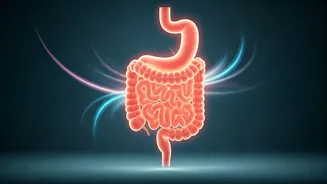
After eating, your digestive system gets to work breaking down food. Gentle movement stimulates gut motility – the muscular contractions that move food, fluid and gas through the intestines. “Light activity triggers these contractions and helps relieve bloating, heaviness and gas,” explains Dr Shinde. Walking also boosts blood flow to the digestive tract, allowing enzymes to function more efficiently. The result? Faster, smoother digestion and fewer post-meal discomforts.
Dr Tate reinforces this. He notes, “Walking activates peristalsis, helping move food through the digestive tract and reducing constipation.” In short, your body digests better when you’re not completely still.
The Blood Sugar Bonus
The benefits aren’t limited to your gut. Post-meal movement directly impacts metabolism.
“When you walk, the large muscles in your legs start using glucose for energy. This improves insulin sensitivity and reduces post-meal blood sugar spikes,” says Dr Patel.
That’s particularly useful for people with prediabetes, diabetes or metabolic syndrome. Even short strolls can blunt the glucose surge that often follows heavy meals. Dr Patel points to research showing that just 10 minutes of walking after consuming glucose leads to better sugar control than remaining sedentary. For urban lifestyles filled with desk jobs and screen time, this tiny habit can be a metabolic game-changer.
More Than Just Digestion
The ripple effects extend further. According to Dr Tate, regular after-meal walks also:
- Support weight management by boosting metabolism
- Reduce inflammation through better circulation
- Improve cardiovascular health
- Lower stress and enhance mood
- Promote better sleep
Dr Shinde highlights the gut-heart connection, too. Healthier circulation and lower systemic inflammation indirectly support digestive wellness. It’s a rare win-win: good for the stomach, heart and mind.
How To Do It Right
All three doctors stress the same rule – keep it gentle. “This is not a brisk walk or workout,” Dr Patel says. Strenuous exercise can divert blood away from the digestive system and cause discomfort.
Instead:
- Walk for 10–20 minutes
- Maintain an easy, conversational pace
- Start about 15–30 minutes after eating
- Aim for once daily, ideally after dinner
- Consistency matters more than intensity
Wellness doesn’t always require expensive equipment or complicated routines. Sometimes, it’s as simple as standing up and taking a few steps. A short post-meal walk costs nothing, fits into any schedule and delivers real digestive and metabolic benefits. Eat, stroll, repeat – it might be the easiest health upgrade you ever make.