





The thyroid gland is part of the endocrine system and secretes hormones that regulate metabolic rate, heart function, temperature control, and several other essential bodily processes.
Thyroid eye disease
does not always occur at the same time as thyroid disorders. Eye symptoms can appear before, during, or even after a thyroid condition is diagnosed. It is also important to understand that the severity of eye disease does not necessarily correspond to how abnormal thyroid hormone levels are.
Dr. Sharanya Rao, Consultant Ophthalmologist at Dr Agarwals Eye Hospital, New Delhi, shares everything you need to know:
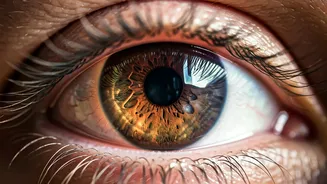
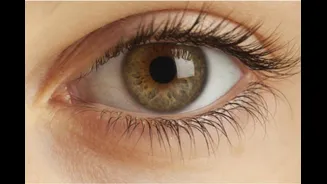
Dry eye is one of the most common eye problems seen in people with thyroid disease. An imbalance in thyroid hormones can interfere with normal tear production and tear quality, leading to irritation of the eye surface. Additionally, eyelid retraction, where the upper eyelid sits higher than normal can increase exposure of the eye, further worsening dryness.
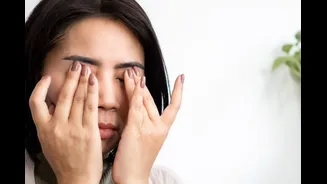
Symptoms of dry eye include burning, redness, excessive watering, a gritty or foreign-body sensation, and blurred vision that improves with blinking. Treatment typically includes lubricating eye drops or gels, avoiding dry or smoky environments, and effectively managing the underlying thyroid condition. Early treatment can significantly improve comfort and help protect the eye surface.
Some individuals, particularly those with Graves’ disease, may develop a condition known as thyroid eye disease. This occurs when the immune system triggers inflammation and swelling of the muscles and tissues surrounding the eyes. Common symptoms include eye protrusion, eyelid puffiness, pressure or pain behind the eyes, and double vision. In more severe cases, swelling can restrict eye movement or compress the optic nerve, potentially leading to reduced vision.
Treatment depends on the severity of the condition and may include anti-inflammatory medications, immune-modulating drugs, radiation therapy, or surgery to relieve pressure on the eyes. Smoking significantly worsens thyroid eye disease, and quitting smoking is one of the most important steps in its management.
If you have a thyroid disorder and notice any changes in your eyes, seeking early evaluation by an eye specialist is crucial.