






New Delhi, Oct 12 (PTI) India’s rice exporters’ body has arranged shipments of 102,210 metric tonnes of Basmati rice to Iraq across three bulk vessels, targeting a 74 per cent reduction in freight costs
amid shipping disruptions, container shortages and rising logistics expenses affecting trade with the Middle East.
The Indian Rice Exporters’ Federation (IREF), in collaboration with Singapore-based Eximwala Solutions Pte. Ltd., said the arrangement would bring freight costs down to about USD 90 per tonnes from container-shipping quotations of around USD 350 per tonnes, potentially saving USD 260 per tonnes.
At the quoted rates, the difference could translate into gross freight savings of about USD 26.6 million across the three-vessel shipment programme, although actual savings would depend on the final costs and terms of the shipments.
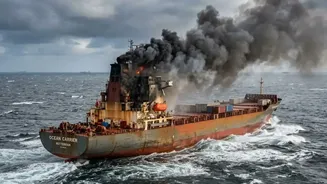
The programme covers three vessels bound for Iraq’s Umm Qasr port. The MV LAMAR S, carrying 36,810 tonnes, has reached the port, berthed at Berth No. 3 and begun discharging rice, IREF said. The other two vessels, MV LOLO GATE and MV OUTLANDER, have been nominated to carry 25,500 tonnes and 39,900 tonnes, respectively.
The initiative comes as exporters contend with higher freight rates and logistical uncertainty affecting shipments to the Gulf, India’s largest regional market for Basmati rice.
India exported 4.564 million tonnes of Basmati rice worth Rs 34,284 crore to the Middle East in the financial year ended March 2026, accounting for about 70 per cent of its total Basmati export volume, according to figures cited by IREF. Including non-Basmati varieties, rice exports to the region totalled 5.648 million tonnes, valued at Rs 39,657 crore.
Saudi Arabia was India’s largest Basmati destination in the region, with imports worth Rs 8,324 crore, followed by Iran at Rs 6,970 crore, Iraq at Rs 5,583 crore and the United Arab Emirates at Rs 4,132 crore during FY2025-26, the federation said.
Iraq imported approximately 764,000 tonnes of Indian Basmati during the period, underscoring the importance of maintaining competitive shipping costs and reliable supply routes.
“The Middle East accounts for nearly 70 per cent of India’s Basmati exports, and rising shipping costs directly affect our competitiveness. By targeting a reduction in freight from USD 350 to USD 90 per tonne, we are demonstrating how better logistics can benefit both Indian exporters and overseas buyers. Our objective is to develop similar commercially viable solutions for other Gulf destinations, strengthen India’s rice exports and improve returns across the value chain,” said Dev Garg, national vice president of IREF.
Lower freight costs could help exporters protect margins and maintain price competitiveness in overseas markets, particularly where logistics expenses can affect the landed price of rice. If replicated across other destinations, bulk-shipping arrangements could also offer exporters an alternative when container availability is constrained.
However, the extent of the benefit will depend on the consistency of bulk-vessel availability, port handling costs, shipment schedules and the suitability of bulk transport for individual consignments and buyers.
The initiative precedes the Bharat International Rice Conference (BIRC) 2026, scheduled to take place at Bharat Mandapam in New Delhi from October 23 to 25.
A dedicated knowledge session, titled “Shipping: Bulk and Containers – Protect Margins and Mitigate Disputes,” will examine freight economics, bulk versus container transport, cargo insurance, port delays, maritime contracts and dispute prevention.
The conference will feature nine business-focused knowledge sessions covering global price forecasting, emerging export markets, payment protection, quality certification, government policy, sustainability, profitable rice milling and value-added rice products. The sessions will also be livestreamed.
IREF said the shipment initiative forms part of its broader “One Nation, One Trade, One Policy” vision to reduce trade costs and strengthen India’s position in global rice markets. PTI MKT ANZ
DRR