




For years, women’s health has often been reduced to what can be measured, reports, scans, and visible symptoms, while the quieter, more complex experiences remained unspoken. In 2026, that narrative is beginning
to shift. Conversations around mental, hormonal, and emotional well-being are moving from the margins to the mainstream, as more women question what was once normalised and begin to demand a more holistic understanding of health.
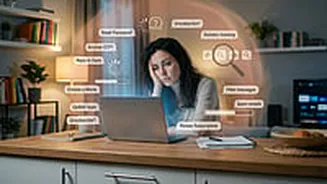
There is a particular kind of exhaustion that many women know well, one that doesn’t show up on a blood test or a performance review. It exists somewhere between constantly doing everything without pause, unexplained fatigue, sudden mood changes, and a lingering sense of disorientation. For years, this has been dismissed as simply ‘being a woman’. Today, that perception is finally being challenged.
Across medicine, wellness, and mental health, a reckoning is underway. Dr Aditi Govitrikar, actress, former Mrs. World, and practising psychologist, sees its urgency every day.
“Women’s healthcare should go beyond annual appointments and reactive approaches to health. It has become too common for women to overlook their health concerns, normalize burnout, and endure the effects of hormonal imbalances and mood changes as ‘part of being a woman’. They do affect us. Hormones affect our sleep quality, our stress levels, and how we feel about ourselves. Yet, there is shame for seeking timely help.”
The body, as many experts point out, keeps a cumulative record of stress and the effects rarely exist in isolation. According to Sailendra S Raane, Spiritual-Wellness Leader and Founder of Mahati Wellness, chronic stress is often the underlying trigger:
“Constant stress causes internal inflammation, which interferes with hormonal function and affects menstruation, exhaustion, and emotions. Because of lack of adequate sleep, the body is unable to repair or regulate hormones efficiently, resulting in a vicious circle. With the yoga approach, the emphasis is on regulating the nervous system initially because once stress subsides, things tend to fall into place.”
Recognising these patterns, and having the language to articulate them, is often where healing begins. Dr. Taylor Elizabeth, emotional intelligence expert and CEO, The Elegance Advisor, highlights the importance of awareness, “Women have started realising the profound link between hormones, emotional control, and identity. Destigmatisation would imply making it okay to talk about the impact of burnout and mood changes without judging them negatively. Women who know everything about themselves not only become healthier; they become stronger and more powerful.”
This shift is also reflected in changing behaviours. Namrata Jain, psychotherapist and relationship specialist, points to a growing sense of agency, “There’s increased hormonal literacy, which leads to women making sound judgments and influencing their relationships and family perspectives. According to a 2025 study, 18% of Gen Z women living in big cities do not want to have children, indicating that women are placing personal happiness above societal norms.”
What ties these perspectives together is a fundamental truth: women’s well-being cannot be addressed in silos. Stress, hormones, emotions, and identity are deeply interconnected, and ignoring one inevitably impacts the others.
The agenda for 2026, then, is not just better healthcare, but a better relationship with health itself. One that moves beyond dismissal and silence, and begins instead with a question more women are finally allowing themselves to ask,
How am I, really?