






Japan has officially become the most sought-after international destination for Indian travellers in 2026, with visitor numbers crossing 315,000 in 2025. But what’s driving this unprecedented surge goes
far beyond the usual suspects of anime culture and ramen trails.
From walking between 20-metre-high snow walls carved through the Japanese Alps to attending centuries-old tea ceremonies in traditional machiya townhouses, Indians are experiencing what we call “deep-dive tourism”, immersive journeys that prioritise authentic cultural connection over surface-level sightseeing. The surge is being driven primarily by young couples, families, and first-time international travellers, who account for nearly 55–60% of bookings.
Karan Agarwal, Director, Cox & Kings, says, “According to our booking insights, summer departures between April and September are up nearly 30%, despite sakura-linked recalibrations in certain regions. The shift signals something deeper, Japan is no longer a seasonal obsession; it’s becoming an all-season story. Japan today offers a rare balance of ancient tradition and modern efficiency. What we are witnessing is a shift from checklist tourism to deep-dive tourism. Indian travellers want stories, not just stamps in their passports, and Japan delivers that authenticity across all seasons, not just during cherry blossom weeks.”
Here’s What’s Really Fueling the Japan Obsession:
1. Beyond the Anime Gateway: Meditation, Martial Arts & Artisan Encounters
What started as a pop culture curiosity has transformed into an authentic cultural hunger. Indian travellers are experiencing Japan’s living traditions, dawn Zen meditation in centuries-old temples, Kendo martial arts with practising senseis, and calligraphy with master artists. They’re boarding alpine rail journeys through Hokuriku’s mountains, participating in temple stays (shukubo) with vegetarian monastic meals, and attending indigo-dyeing workshops at Villa Tsutaya. Pottery sessions in Hakone, sake-brewing apprenticeships, and kimono-dressing workshops reveal the transformative depth that anime only hinted at.
2. Four Seasons, Four Different Japans: Beyond Cherry Blossom Dependency
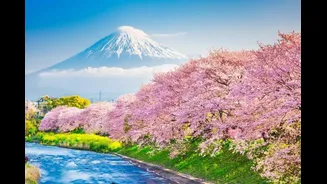
Japan has shattered the single-season mould. Booking data reveals demand evenly spread across quarters, winter’s powder snow in Niseko, summer’s 22°C escape to Hokkaido’s lavender blooms, autumn’s golden foliage across rural Honshu, and spring’s sakura. Even with adjustments to certain cherry blossom events, travellers are simply recalibrating toward alpine retreats, culinary trails, and wellness hot springs. This structural year-round appeal, rather than seasonal spikes, signals genuine destination maturity, where every season offers a distinct and compelling narrative.
3. Beyond Sushi: Ramen Workshops, Temple Cuisine & Sake Trails
Food has evolved from a backdrop to a main attraction. Indian travellers are building itineraries around shojin ryori, vegetarian Buddhist temple cuisine that resonates with their dietary preferences. They’re hand-pulling noodles in ramen workshops, touring sake breweries, and attending tea ceremonies where preparation becomes meditation. Expert-led Tsukiji market walks and extensive vegetarian menus show that travellers want to understand the ritual and craftsmanship behind each dish.
4. Wellness as the New Luxury: Onsen Retreats & Mountain Sanctuaries
Indian travellers are trading rushed itineraries for restorative experiences. Onsen retreats in Hakone with private hot springs, heritage ryokan stays in Takayama’s mountain towns, and wellness-focused inns are in high demand. Couples and families are prioritising mindful rejuvenation, soaking in mineral-rich thermal baths and waking up to mountain views in centuries-old accommodations. Wellness has quietly become Japan’s most sought-after luxury.
5. The Yen Advantage Meets Seamless Connectivity
Japan’s weakened currency has made heritage ryokans, kaiseki dinners, and premium experiences more accessible to middle-class families. Japan Airlines’ seven weekly Delhi–Tokyo flights and ANA’s daily Mumbai–Narita service have transformed accessibility. Add extensive vegetarian options, multilingual signage, streamlined tax-free shopping, and Japan’s legendary rail network, and the destination becomes both luxurious and effortless.
In 2026, Japan isn’t just a destination, it’s a narrative of discovery for Indian travellers. What began with anime and sushi has evolved into a multi-layered exploration of culture, seasons, authentic experiences, and wanderlust. With stronger connectivity, year-round attractions, and evolving traveller sensibilities in India, Japan’s rise is not a fleeting trend; it’s a lasting chapter in the India-Japan travel story.