







India could see a hotter-than-usual season and below-normal rainfall in the coming months as El Niño strengthens, the World Meteorological Organization (WMO) has warned. The agency has also warned that
similar conditions will prevail in much of the world in its latest update.
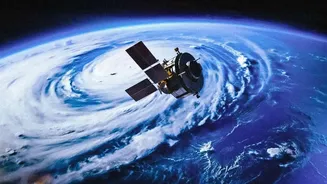
The global weather body said the August-October 2026 period is likely to be shaped by a strong El Niño, a climate pattern that warms parts of the Pacific Ocean and disrupts weather across the world. For India, this often means rising temperatures and a weaker monsoon.
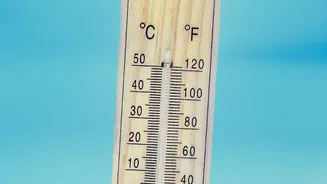
The WMO’s latest update shows that rainfall over the Indian subcontinent is expected to be lower than normal during this period. At the same time, temperatures are likely to stay above average, adding stress on water supplies, agriculture and daily life.
“El Niño is not just on our doorstep – it is inside the house and turning up the heat. And this is only a warm-up act. El Niño is strengthening – adding fuel to a planet already on fire with scorching heat domes, apocalyptic wildfires and record hot seas. Fossil fuels are fanning the flames of this crisis. Expansion must stop. More coal, oil and gas will lead to a more combustible future. Unless we act – to protect people and tackle the root cause of the crisis – the dangers will become deadlier still. The warm-up act is over. We cannot afford to wait for the main event.” said UN Secretary-General António Guterres.
What Is Driving This Change?
El Niño is part of a larger system called ENSO (El Niño–Southern Oscillation). It is a natural cycle where sea surface temperatures in the Pacific Ocean become warmer than usual. This shift affects winds, rainfall and temperatures worldwide.
The WMO said this year’s El Niño is getting stronger and could become a “strong event” by late 2026. Ocean temperatures in key regions are expected to rise sharply, by more than 2.9°C above normal levels.
Along with this, another factor called the Indian Ocean Dipole (IOD) is also expected to turn positive. In simple terms, this means the western Indian Ocean becomes warmer while the eastern side cools. When El Niño and a positive IOD happen together, they can intensify extreme weather, including droughts and floods, around the Indian Ocean region.
What It Means For India, And The World
Globally, most land areas are likely to see above-average temperatures. Some regions may receive heavy rainfall, while others, including India, may turn drier.
The WMO said such forecasts are meant to help countries prepare in advance. “El Niño is one of the most closely monitored climate phenomena in the world. But forecasts in themselves do not prevent hazards, people do. This El Niño developing against the backdrop of unprecedented ocean heat and rising temperatures, provides governments and communities with a window of opportunity to anticipate risks and act before impacts unfold. The decisions we make today will shape the impacts we experience tomorrow. WMO and its Members are committed to ensuring that credible and relevant climate information reaches those that need it most,” said WMO Secretary-General Celeste Saulo.
El Niño events usually occur every two to seven years and can last up to a year. Their impact varies across the world.
The WMO said it is stepping up efforts to share timely updates with governments and agencies so they can plan ahead and reduce damage from extreme weather.