







Working from home has become the new normal for many people. Working from home saves travel time and offers comfort, but a hidden cost often catches us off guard: the increase in electricity bills. Laptops,
Wi‑Fi routers, fans, lights, and air conditioners run for longer hours, and this adds up quickly. The good news is that with a few smart habits, you can reduce your monthly bill without sacrificing comfort.

Choose Energy‑Efficient Devices
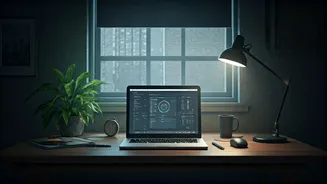
If you spend most of your day on a laptop or desktop, make sure it’s energy‑efficient. Laptops generally consume less power than desktops. Also, look for appliances with a high star rating; they use less electricity and last longer.
Use Natural Light and Ventilation
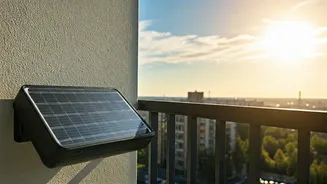
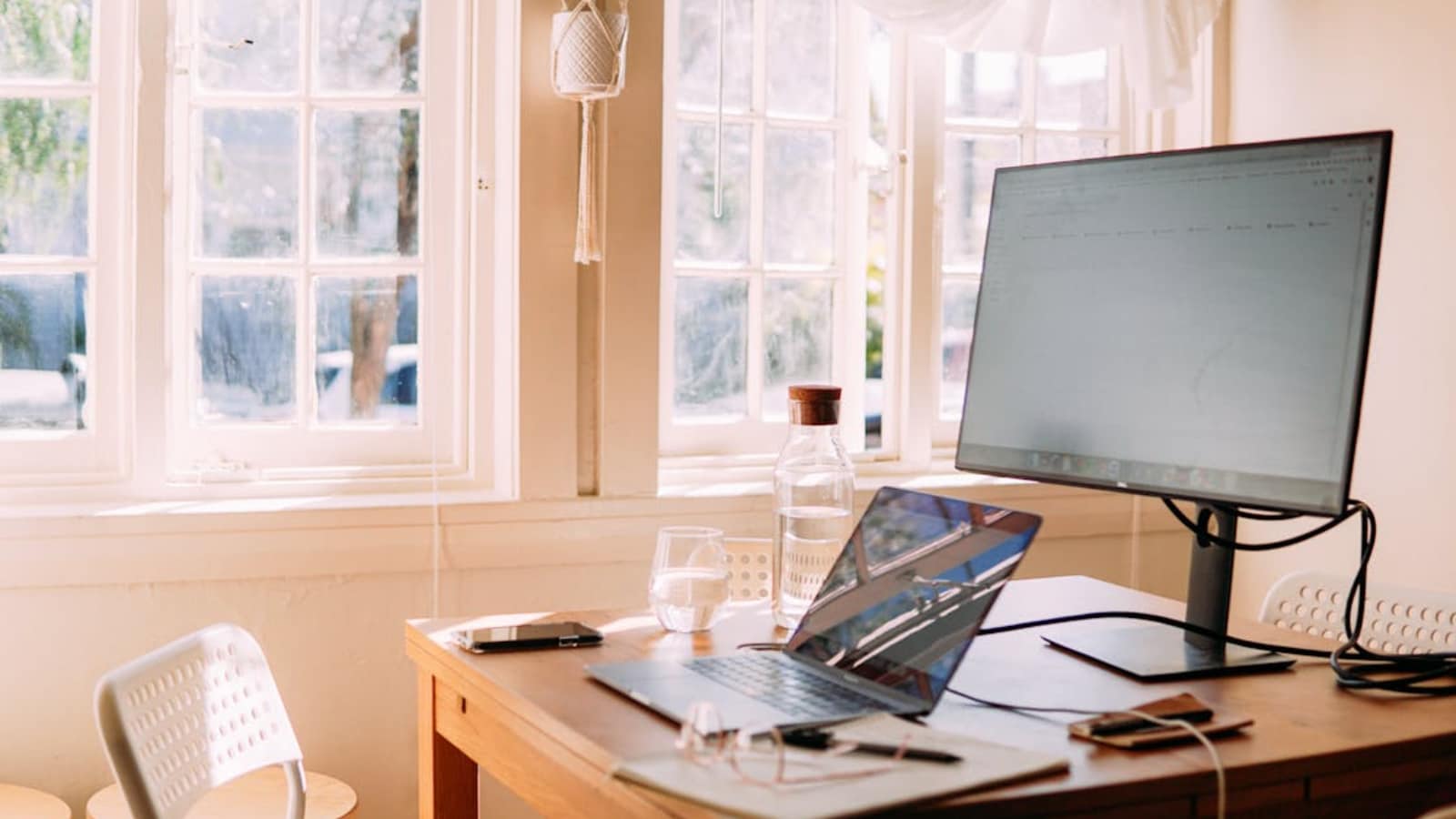
Instead of keeping lights and fans on all day, set up your workspace near a window. Natural sunlight reduces the need for bulbs, and fresh air keeps the room cool. Curtains or blinds can help control heat during summer afternoons.
Switch to LED Bulbs
LED bulbs use nearly 80% less electricity than traditional ones and last much longer. Switching your home office lights to LEDs is a simple, cost‑saving step that reduces bills and avoids frequent replacements.
Smart Use of Air Conditioning
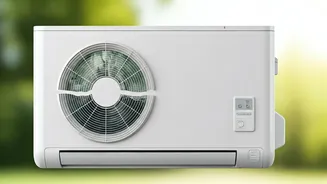
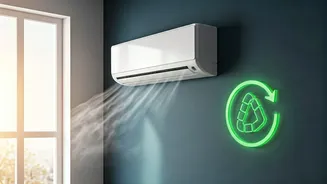
Cooling consumes a large share of electricity. Keep your AC between 24–26°C for comfort and efficiency. Clean filters regularly, and pair ceiling fans with AC to circulate cool air faster. These small steps reduce energy use and help lower monthly bills.
Unplug Devices When Not in Use
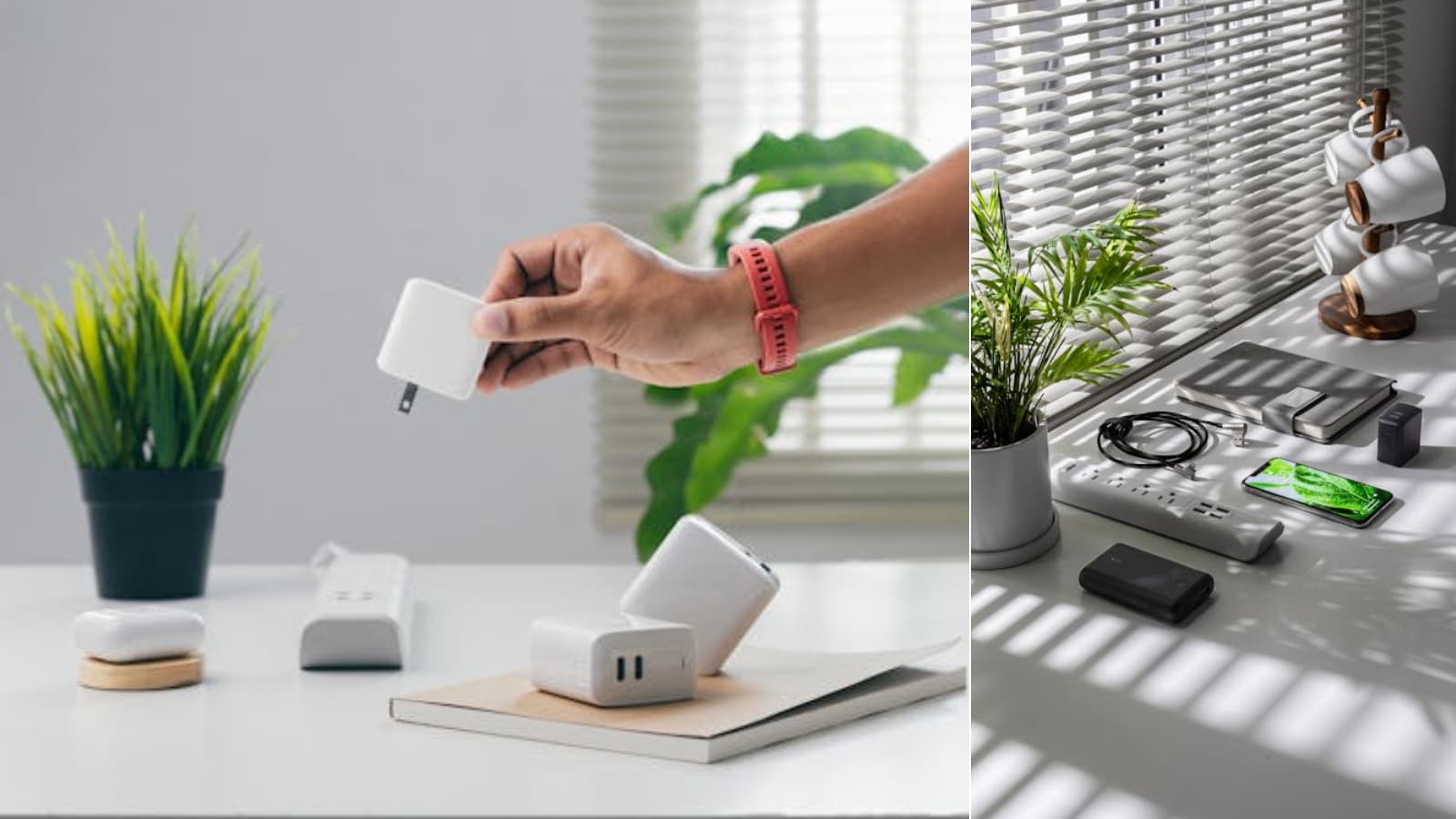
Chargers, printers, and even idle laptops consume power when plugged in. This is called “phantom load.” Make it a habit to unplug devices after use. A power strip with a switch makes this easier.
Optimise Your Work Routine
Take short breaks to switch off devices and save energy. For example, during lunch, turn off your laptop and lights. These pauses may seem small, but over time they reduce electricity use, lower bills, and encourage mindful, sustainable work‑from‑home habits.
Use Smart Power Management
Most laptops and desktops come with built‑in power‑saving modes. Enable automatic sleep or hibernate when idle to cut energy use. Smart plugs and timers can also help manage appliances like Wi‑Fi routers or lights, ensuring they run only when needed and reducing unnecessary electricity consumption.
Cook and Wash Smartly
Working from home often means more cooking and laundry. Use pressure cookers or induction stoves, which cook faster and consume less power. Run washing machines only with full loads to save both water and electricity. These small adjustments in daily chores make a noticeable difference in monthly bills.

Monitor Your Usage
Electricity boards now provide apps that track daily consumption. Monitoring usage helps you spot which appliances consume the most power. Once identified, you can adjust habits, reduce unnecessary use, and plan smarter routines. Awareness is the first step toward lowering bills and building energy‑efficient work‑from‑home practices.
Build Sustainable Habits
Simple lifestyle changes go a long way. Switch off lights when leaving a room, use fans instead of AC whenever possible, and set fixed work hours to avoid overuse. These consistent habits not only reduce electricity bills but also promote a greener, more sustainable way of living every day.
By adopting smart habits and energy‑efficient choices, working from home becomes cost‑friendly. Lower bills, greener living, and a more mindful routine make remote work truly sustainable and rewarding.