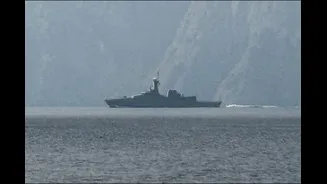


Several US allies have responded cautiously, or declined outright, after President Donald Trump urged about seven countries to deploy warships to help secure the Strait of Hormuz, a vital oil artery disrupted
amid the Iran war.
Australia said it would not contribute naval assets, with cabinet minister Catherine King telling ABC that while the strait is critically important, Canberra has not been asked to send a ship and is not planning to do so.
“We won’t be sending a ship to the Strait of Hormuz. We know how incredibly important that is, but that’s not something that we’ve been asked or that we’re contributing to,” Catherine King said.
Japan also signalled restraint, saying it is “not considering” maritime security operations at this stage, with senior lawmaker Sanae Takaichi affirming that no decision has been made to dispatch escort vessels, with options still being examined within Japan’s legal framework.
South Korea said it would continue consultations with Washington before deciding, with the presidential office noting that any move would follow a careful review.
Britain struck a diplomatic tone, with Prime Minister Keir Starmer discussing the need to reopen the strait with Trump to ease global shipping disruptions, according to Downing Street.
Starmer also spoke with Canadian Prime Minister Mark Carney, agreeing to continue talks on the Middle East crisis at a meeting scheduled for Monday.
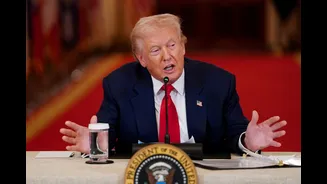
Trump, speaking aboard Air Force One on Sunday, said he has pressed countries heavily reliant on Middle Eastern crude to help police the waterway, which carries roughly one-fifth of the world’s traded oil.
He declined to name the countries involved, arguing they should protect what he called “their own territory,” and reiterated that the United States depends far less on the strait than others.
Trump singled out China as having strong self-interest, saying it sources the bulk of its oil through Hormuz, but declined to say whether Beijing would join any coalition.
Despite his appeals, no firm commitments have yet emerged as oil prices continue to surge.