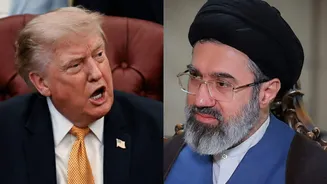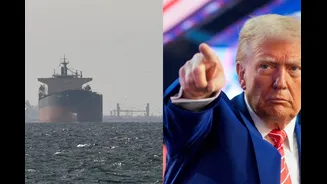






US President Donald Trump has threatened to “bomb the s**t out of” Oman if it “gets in the way” of US efforts to reopen the Strait of Hormuz, putting the traditionally neutral Gulf nation at the centre
of Washington’s confrontation with Iran.
The warning came as the US-Iran conflict appeared to reach an impasse and a 60-day window under a June memorandum of understanding expired without a broader agreement.
What Trump Said?
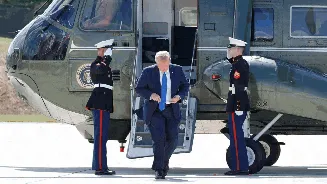
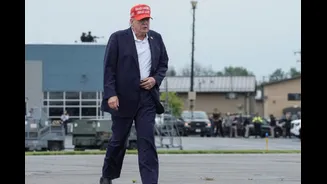
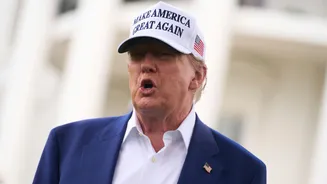
In a Fox News interview on Monday, Trump was asked about parallel talks between Iran and Oman on managing shipping through the Strait of Hormuz. “If Oman gets in the way, we’ll bomb the shit out of them,” he said.
Trump also said Iran should “surrender” to end the war.
The threat is not the first time Trump has warned Oman. In May 2026, after reports that Muscat and Tehran were discussing fees or controls in the strait, he warned that Oman must “behave … or else we’ll have to blow them up.”
The latest remarks came as the 60-day period under the June US-Iran memorandum expired on August 17 without agreement on the wider issues. The memorandum had provided for negotiations towards a final deal and arrangements for commercial shipping through Hormuz.
Why Oman Is In The Firing Line?
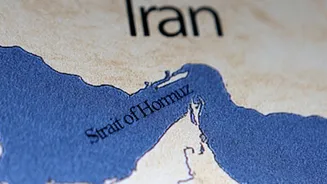
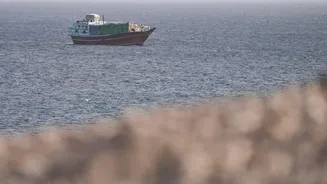
Oman’s importance comes from its geography, its role as a mediator and its position along the Strait of Hormuz. The strait is bounded by Iran to the north and Oman to the south. Any secure shipping corridor therefore involves both sides.
Oman has long maintained channels with both Washington and Tehran and has hosted backchannel discussions over the strait, even as the US and Iran have insisted they are not directly negotiating.
Under emerging proposals, outbound ships would use a southern lane in Omani waters, coordinated with Iran. This gives Muscat influence over whether shipping can move safely.
For Trump, that influence can be useful in securing a deal, but it can also become a source of tension if Oman backs terms Washington opposes, including an Iranian role, tolls or particular security arrangements.
Who Controls Hormuz?
At the heart of the dispute is the question of authority and fees in the waterway.
The US wants free passage as it was before the war, without Iranian tolls or requirements for ships to seek Tehran’s approval. Washington also wants any arrangement presented as a US-Oman security guarantee rather than recognition of Iranian “control”.
Iran, meanwhile, argues that the strait cannot be secure while the US naval blockade and what it calls “aggressive actions” continue.
It has issued a shipping map requiring vessels to use routes closer to the Iranian coast and has at times treated the Omani side as “restricted”. Tehran also wants reopening of the waterway linked to wider concessions, including an end to the war and some relief from pressure.
Oman wants the strait open for its economy and regional stability while preserving its neutral mediator role. It has issued a US-backed route allowing ships to pass near its coast but cannot guarantee safety without Iran’s acceptance.
Why The Threat Matters?
The warning represents a sharp escalation towards a US security partner. Oman hosts US forces and allows access to US bases, making the threat significant for the wider Gulf security relationship.
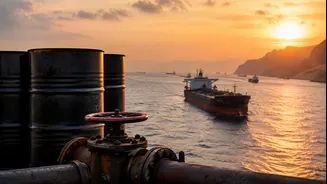
The Strait of Hormuz is also crucial for global energy supplies. Its continued closure or further escalation risks a sharp rise in oil prices and a wider economic shock.
Other Gulf states could also reconsider how much they depend on US security guarantees and whether they need to hedge their relationships with other powers.
What Happens Next?
As of Monday, the US-Iran memorandum’s 60-day window has expired without a comprehensive deal, with both sides blaming the other.
Iran and Oman say their discussions on the strait are advanced but have warned that reopening is not guaranteed without wider security arrangements.
Trump’s threat appears intended to pressure Muscat into accepting a US-favoured arrangement. But it also risks pushing Oman to harden its position or seek alternative guarantors, making an agreement over the Strait of Hormuz even more difficult.