








India may soon begin a fresh hunt for oil and gas hidden beneath its soil—not by drilling immediately, but by taking another look at old underground data with modern technology. This is essentially the Indian
government signalling a major fresh push to explore oil and gas reserves inside India using modern technology.
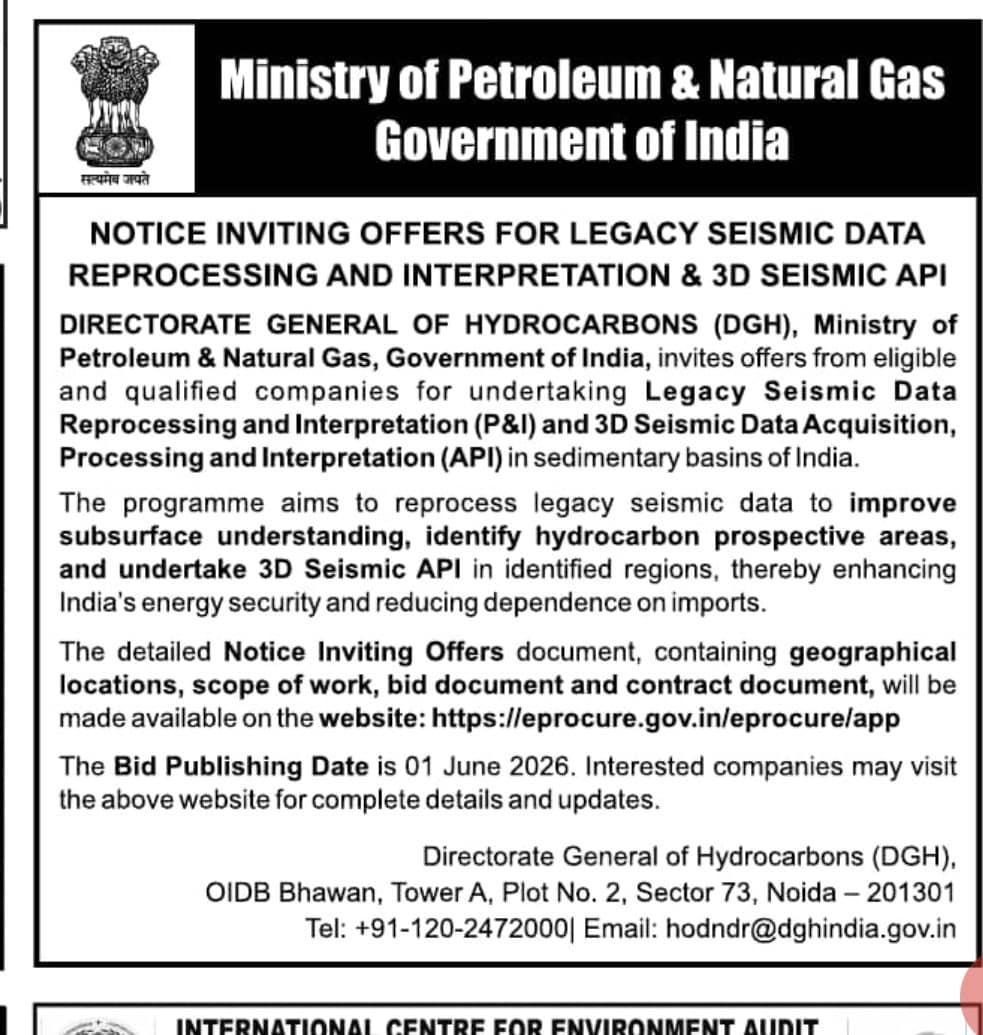
In a public notice issued on Monday, the Ministry of Petroleum and Natural Gas has invited companies to participate in what officials describe as a large-scale exercise to “reprocess” old seismic data and carry out fresh 3D seismic surveys in sedimentary basins across the country.
The objective is to “enhance India’s energy security and reduce dependence on imports”, as per the notice.
In simple terms, the government wants experts to revisit decades-old geological data using today’s advanced imaging and interpretation tools to see if earlier surveys may have missed potential oil and gas reserves.
The exercise is being coordinated by the Directorate General of Hydrocarbons (DGH), the technical arm of the petroleum ministry.
This comes after CNN-NEWS18 had reported last week that the Modi government is also planning a major offshore oil-and-gas exploration survey covering thousands of kilometers on the east coast of India. This will be a big geological survey in Purnea and Mahanadi Basin, Krishna Godavari Basin, Cauvery Basin and Andaman (East) Basin. The government wants specialised energy-survey companies to map what lies deep beneath the seabed to see whether there are commercially viable oil or natural gas reserves.
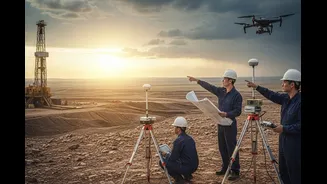
Seismic surveys are often compared to medical scans of the earth. Sound waves are sent underground and the reflections are studied to understand what lies beneath the surface. Oil and gas companies use these surveys before deciding where to drill.
Officials believe newer technologies, including high-end computing and modern data processing techniques, can reveal hydrocarbon prospects that older methods may not have detected clearly.
The move comes at a time when India remains heavily dependent on imported crude oil. Nearly 85 per cent of the country’s oil requirement is met through imports, making energy security a constant concern for policymakers, especially during global conflicts and price shocks.
Over the last few years, the Centre has repeatedly stressed the need to increase domestic exploration and production to reduce vulnerability to global supply disruptions.
The latest notice suggests the government is preparing the ground for future exploration activity in multiple regions by first improving its understanding of underground reserves.
The bidding document, which will be public from June 1, will contain details about locations, scope of work and contract conditions.
While this is not an announcement of a new oil discovery, it marks the beginning of another attempt to identify untapped hydrocarbon potential inside India—something energy planners believe could become increasingly important in the years ahead.
The Ministry of Petroleum and Natural Gas, through the Directorate General of Hydrocarbons (DGH), is inviting companies to reprocess old seismic survey data and carry out fresh 3D seismic surveys in potential oil and gas regions across India.
The goal is to better understand underground hydrocarbon reserves, identify new oil and gas prospects and strengthen India’s energy security.