






Milk has long been a cornerstone of Indian diets, simple, familiar, and deeply rooted in tradition. But in urban India, that narrative is rapidly evolving. Today’s consumers are no longer satisfied with
just a glass of milk; they are seeking products that align with their fast-paced lifestyles, health goals, and growing awareness around nutrition.
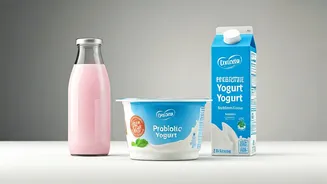
The result? A noticeable rise in value-added dairy, flavoured milk, probiotic curd, and lactose-free options that is transforming how dairy is perceived and consumed.
“Urban India is redefining the concept of the dairy category,” says Ravin Saluja, Director, Sterling Agro Industries Ltd. (Nova Dairy). “Consumers today are not just looking for taste; they are looking for functionality, nutrition, and convenience.”
This shift is being driven by a new kind of consumer, one that is both time-constrained and health-conscious. For many, traditional dairy is no longer enough; it must now serve a purpose beyond basic nutrition.
Flavoured milk, for instance, is increasingly positioned as a ready-to-drink, on-the-go beverage that combines taste with nourishment. Probiotic curd appeals to those prioritising gut health, while lactose-free dairy opens up the category to individuals who were previously unable to consume milk due to intolerance.
But as Saluja points out, the foundation of this transformation still lies in dairy’s inherent strengths. “Milk is a complete protein and a rich source of calcium and essential vitamins,” he explains. “Value-added products are simply a way to make these benefits more accessible and relevant to younger consumers who are looking for wellness and convenience.”
In many ways, this marks a broader repositioning of dairy from a traditional staple to a modern nutritional choice.
From a clinical perspective, this trend is also reflected in patient behaviour.
“We are seeing a clear shift among urban patients toward functional foods, including value-added dairy,” says Varsha Gorey, Senior Clinical Dietitian, Apollo Hospitals, Navi Mumbai. “Probiotic curd, for instance, supports gut microbiota, while lactose-free dairy allows individuals with lactose intolerance to continue benefiting from dairy’s calcium and protein content.”
Her observation highlights an important nuance: while demand is growing, informed consumption remains critical.
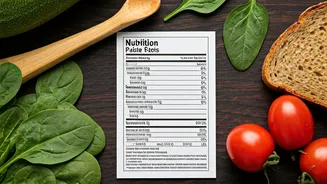
“Consumers should check sugar levels and choose products with live cultures and minimal additives,” advises Gorey. As flavoured and processed variants gain popularity, the risk of hidden sugars and unnecessary additives becomes a concern making label awareness an essential part of this shift.
The rise of functional dairy is not just a trend, it reflects a larger movement toward preventive health and personalised nutrition. Urban consumers are increasingly viewing food as a tool for well-being, not just sustenance.
For the dairy industry, this presents a significant opportunity. “Value-added products can help strengthen consumer perception and expand dairy’s role in modern diets,” says Saluja. By aligning with evolving consumer expectations, the category has the potential to remain relevant in an increasingly competitive food landscape.
Yet, the success of this transition will depend on balance between innovation and authenticity, convenience and nutrition.
Because while formats may change and flavours may evolve, the essence of dairy remains the same. What is different today is how it is being reimagined, through the lens of a consumer who wants more from every bite and sip.