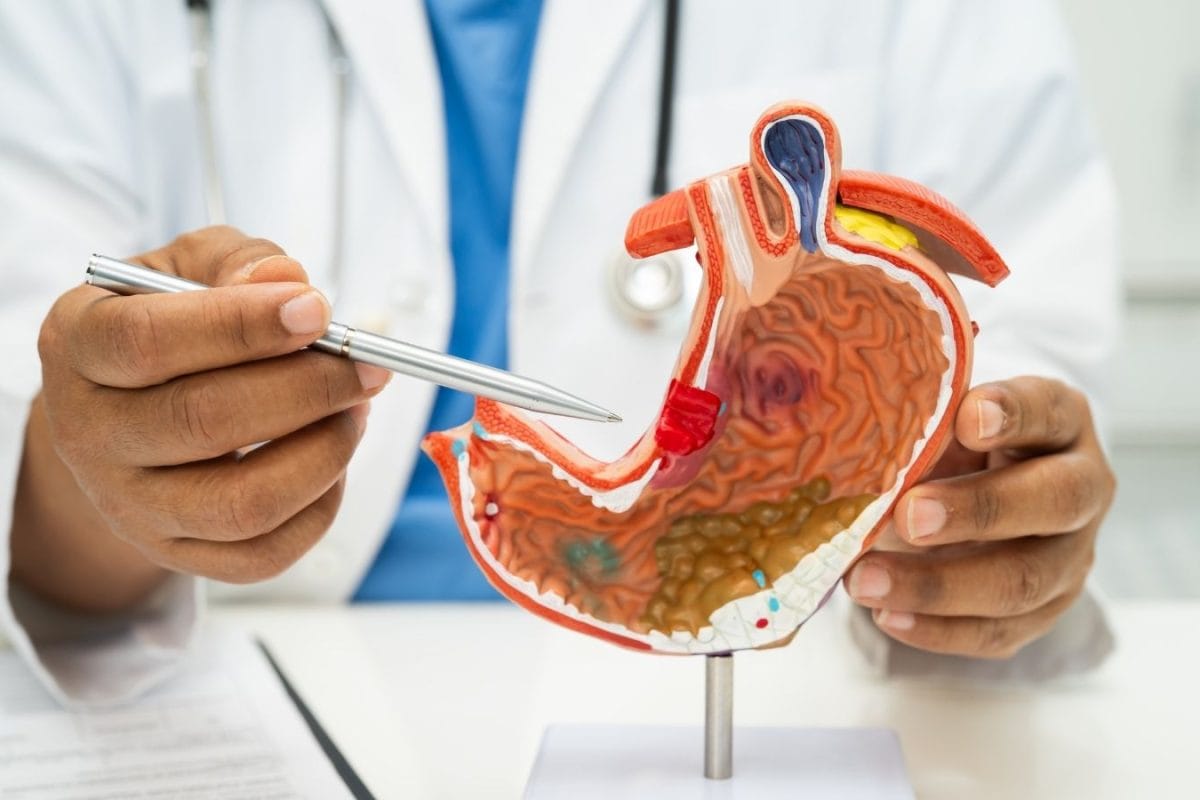

Bloating after meals, frequent acidity, or regular indigestion are sometimes ignored as minor digestive issues. However, if these symptoms become common, worsen, or appear without a clear cause, they may
point out to a much more serious condition like stomach cancer.
Stomach cancer is one of the most misleading diseases, frequently developing silently and showing symptoms similar to ordinary gastric issues, resulting in delayed diagnosis and poorer results. This emphasizes the importance of early detection and prompt medical attention.
Dr Surender Kumar Dabas, Chairman, Manipal Comprehensive Cancer Centre and Onco Robotic Surgeries, North West Cluster (India), Manipal Hospitals shares all you need to know:
How the Stomach Changes Over Time
The stomach is an essential organ responsible for breaking down food using digestive juices and acids produced. As we age, changes in metabolism, diet, hormone levels, and lifestyle can impact its functioning. Occasional acidity, mild indigestion or temporary bloating may occur due to stress, overeating or spicy foods.
However, prolonged irritation of the stomach lining, chronic gastritis or infections such as Helicobacter pylori can increase the risk of abnormal cell growth. While many digestive changes are normal, persistent or worsening symptoms especially when unexplained should never be overlooked.
What are the common signs you should watch out for?
The stomach plays an important role in breaking down food and absorbing nutrients. However, when cancer develops in stomach, it disrupts the digestion, leading to symptoms that may often be confused with that of common indigestion:
1. Constant Bloating
Constant feeling of fullness and heaviness in stomach may indicate abnormal growth or changes in stomach
2. Indigestion
Heartburn or acidity that appears frequently and does not improve with medication or lifestyle modification may indicate underlying gastric issues
3. Loss of appetite
Loss of hunger despite skipping meals or eating light food can be one of the earliest symptoms
4. Unexplained weight loss
Sudden weight loss without changes in diet or exercise can be a red flag for affected stomach
5. Abdominal pain and discomfort
Pain specially in the upper part of the abdomen should not be ignored
What are the treatment options to be taken care of?
Regular health check-ups play a vital role in early detection and successful treatment. Diagnostic tests such as endoscopy, biopsy, blood tests, CT scans and ultrasound help confirm the presence and stage of stomach cancer.
If detected early, treatment can be highly effective. Surgery such as gastrectomy may help to remove the tumour laparoscopically or robotically for a less invasive approach. Along with surgery, therapies such as chemotherapy helps to destroy cancer cells, radiotherapy to target affected areas, targeted therapy and immunotherapy may be used depending on the severity and spread of the disease.
Persistent bloating or indigestion may seem harmless, but sometimes they carry a deeper message. Listening to your body and acting on early warning signs can be lifesaving. Timely diagnosis not only improves survival but also restores hope and quality of life as a little awareness today can prevent a major health crisis tomorrow.