







Iran said on Wednesday it is reviewing a new proposal from the United States, as both sides move closer to a one-page memorandum aimed at ending the Gulf war while deferring more complex issues such as Tehran’s
nuclear programme.
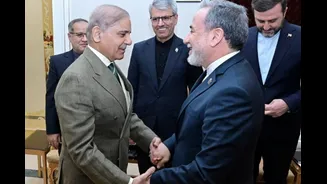
An Iranian foreign ministry spokesperson, cited by ISNA, said Tehran would soon convey its response through Pakistan, which has hosted earlier talks and continues to act as a key channel between the two sides.
Sources familiar with the negotiations said the draft one-page, 14-point memorandum would formally end hostilities and be followed by detailed talks on reopening the Strait of Hormuz, lifting US sanctions and placing limits on Iran’s nuclear activities.
“We will close this very soon. We are getting close,” a Pakistani source involved in mediation said.
Also Read: US-Iran Peace Deal Gains Momentum; Breakthrough Likely In 24–72 Hours, Says Pakistan
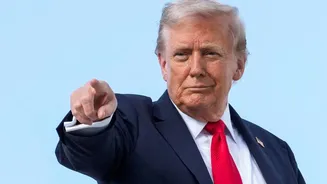
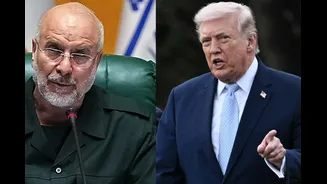
US President Donald Trump, while not confirming specifics, said the war could end if Iran “agrees to give what has been agreed to,” warning that failure to do so could lead to intensified military action. He also indicated it was too early to discuss a formal signing meeting.
The White House and State Department have not officially commented, while Israel — Washington’s key ally in the conflict — has signalled caution. An Israeli source said it was unaware of any imminent deal and was preparing for a possible escalation.
Oil Drops, Markets Rally
Reports of a potential agreement triggered sharp market reactions, with global oil prices plunging nearly 11%, while equities rose and bond yields eased on hopes of an end to the conflict that has disrupted energy supplies.
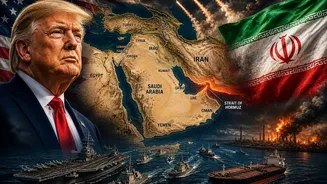
Trump also announced a pause in “Project Freedom,” a US naval operation aimed at reopening Hormuz, citing progress in talks.
Key Issues Still Unresolved
Under the proposed framework, US envoy Steve Witkoff and adviser Jared Kushner are leading negotiations. If agreed, the memorandum would trigger a 30-day window for detailed talks on a comprehensive settlement.
The broader deal is expected to include US sanctions relief, release of frozen Iranian funds, mutual easing of blockades around Hormuz and a potential moratorium on Iran’s uranium enrichment.
However, major sticking points remain. The draft reportedly does not address several longstanding US demands, including curbs on Iran’s missile programme and its regional proxy network.
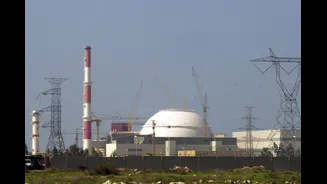
There is also no clarity on the fate of Iran’s existing stockpile of over 400 kg of near weapons-grade enriched uranium — a key US concern.
Iranian lawmaker Ebrahim Rezaei dismissed the proposal as “more of an American wish-list than a reality,” suggesting Tehran may push for further concessions.
Meanwhile, Foreign Minister Abbas Araghchi reiterated that Iran seeks a “fair and comprehensive agreement,” with reports indicating Tehran still has reservations about the current proposal.
Tensions Continue Despite Talks
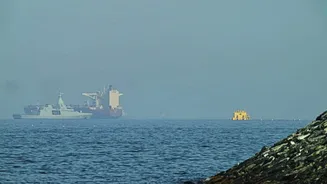
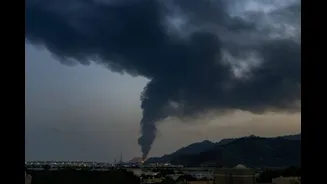
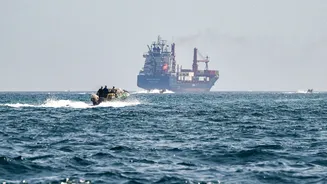
Despite diplomatic progress, tensions in the region remain high. The US naval effort to reopen Hormuz had limited success and triggered fresh Iranian strikes in the region.
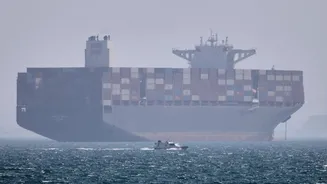
In the latest incident, a French shipping company reported that one of its container vessels was hit in the strait, with crew members injured and evacuated.
While optimism over a deal is growing, officials on both sides caution that significant hurdles remain before a final agreement can be reached.