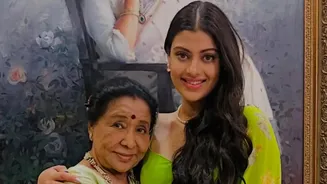






Asha Bhosle, the legendary Indian playback singer, passed away at the age of 92 in Mumbai on April 12. According to news reports, she died due to multi-organ failure and even suffered from cardiac and pulmonary
complications. The late singer was admitted to a hospital in Mumbai for a chest infection and extreme exhaustion.
At any age, having a healthy heart will add years to your life. Heart health should be prioritised with a balanced diet, regular exercise and living an active, stress-free life. With age, the chances of heart block, or an irregularity in the heart’s electrical pathways, rise. While some heart blocks are not serious and can be easily dealt with, seniors need to be proactive about their heart health. Here are some tips from Dr Deepak Krishnamurthy, Director & Lead Consultant – Cardiology, KIMS Hospitals, Bengaluru, for senior citizens with stable or mild heart block:
Never miss cardiology appointments – These appointments are crucial for monitoring the condition. Conditions such as bradycardia, or slow heart rate, can progress without symptoms. Missing appointments can mean that the condition worsens before it is detected.
Check your pulse rate regularly – You can check your pulse rate manually or with the help of a digital blood pressure monitor. If you experience symptoms such as dizziness, fainting, severe weakness, or shortness of breath, seek immediate attention.
Manage blood pressure and diabetes – Uncontrolled blood pressure and diabetes can cause irreparable damage to the heart’s electrical pathways. Take your medications as directed and keep your levels under control as advised by your cardiologist.
Remain physically active, but wisely – Engage in moderate activities such as walking, gentle yoga, or stationary biking. These activities will help increase blood flow without putting excessive strain on the heart. However, avoid sudden and vigorous physical activity. If you experience dizziness, stop the activity at once.
Consume a heart-healthy diet – Eat foods that are high in fruits, vegetables, whole grains, protein, and healthy fats. Restrict salt consumption to lower blood pressure. The DASH or Mediterranean diet is commonly advised.
Exercise caution with medications – Some medications, such as beta blockers or certain calcium channel blockers, can cause the heart to beat even slower. Never discontinue or begin any medications without consulting your physician.
Avoid dehydration – Dehydration can increase dizziness and cause a drop in blood pressure. Seniors are especially at risk, especially in tropical environments.
Know when a pacemaker is needed – In severe heart block (such as Mobitz type II or complete heart block), a pacemaker can be a life-saver. Modern pacemakers are safe, minimally invasive, and very effective in improving the quality of life.
Manage stress and sleep well – Stress and poor sleep are hard on the heart and blood vessels. Learn relaxation techniques such as deep breathing, meditation, or gentle stretching exercises before bedtime.
Don’t ignore red-flag symptoms – Call your doctor or go to an emergency room if you have chest pain, frequent passing out, confusion, or severe shortness of breath.
Heart block need not be a death sentence. With proper monitoring, lifestyle changes, and medical advice, many older people can enjoy an active and full life.