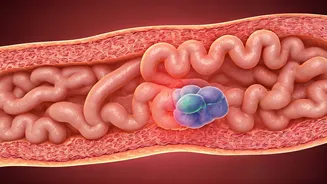




Cancer develops when abnormal cells grow uncontrollably and interfere with the body’s normal functions. While genetic factors do play a role, many cancers are closely linked to daily habits and environmental
exposure. As per global cancer research organisations, up to 40 percent of cancers could be prevented through healthier lifestyle choices. This understanding has shifted attention from treatment alone to prevention, highlighting how small, consistent changes can significantly reduce long-term cancer risk.
Dr. Surender Kumar Dabas, Chairman, Manipal Comprehensive Cancer Centre and Onco Robotic Surgeries, North West Cluster, Manipal Hospitals, shares key insights.
The Role of Daily Habits in Cancer Development
Our daily habits influence key processes such as inflammation, hormone balance, immune response, and cell repair. Habits including unhealthy eating, lack of physical activity, tobacco use, and excessive alcohol intake can cause gradual damage to cells. According to international health research platforms, rapid urbanisation, increased stress levels, and higher consumption of processed foods have contributed to a steady rise in lifestyle-related cancers across different age groups.
Lifestyle Changes That Help Lower Cancer Risk
Everyday choices play a significant role in lowering long-term cancer risk:
Maintaining a healthy body weight: Excess body fat is linked to ongoing inflammation and hormonal imbalance, which increase the risk of cancers such as breast, colorectal, and endometrial cancer.
Following a balanced and natural diet: Diets rich in fruits, vegetables, whole grains, and fibre support healthy cell function, while limiting processed foods reduces exposure to cancer-promoting substances.
Engaging in regular physical activity: Consistent movement helps regulate hormones, improves digestion, and strengthens immune defences that protect the body from abnormal cell growth.
Avoiding tobacco in all forms: Tobacco contains harmful chemicals that directly damage DNA and remains one of the strongest preventable causes of multiple cancers.
Limiting alcohol consumption: Alcohol can interfere with cell repair and hormone regulation, increasing the risk of cancers affecting the liver, breast, and digestive tract.
Ways to Diagnose and Treat Cancer Early
Healthy lifestyle choices not only reduce the likelihood of tumour development by limiting abnormal cell growth but also play an important role in early cancer detection. Certain cancers such as breast, cervical, colorectal, prostate, and oral cancers can often be detected early through appropriate screening tests. Regular screening, especially for individuals with a family history or lifestyle risk factors, significantly improves survival rates.
Early-stage cancers can often be managed with minimally invasive techniques or targeted therapies. However, when cancer is detected at a later stage, extensive surgeries or prolonged chemotherapy may be required. Timely diagnosis limits disease spread, lowers the risk of recurrence, and supports stronger immune function during and after treatment.
Some cancers are linked to chronic infections. Vaccination against HPV can prevent cervical and other related cancers, while timely treatment of Hepatitis B and C reduces the risk of liver cancer.
Adopting such preventive habits does not eliminate the risk of cancer entirely, but it significantly shifts the balance in favour of better outcomes. By reducing the need for aggressive treatment and major surgeries, prevention helps protect not only physical health but also emotional and financial well-being, reinforcing its role as a critical pillar of long-term cancer control.