


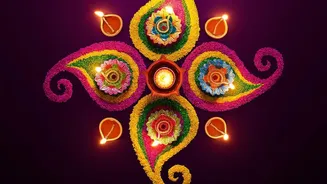

Diwali 2026 Lakshmi Puja: Diwali, the Festival of Lights, is one of India’s most significant religious and cultural celebrations. An important part of the festivities is Lakshmi Puja, during which devotees
worship Goddess Lakshmi, the Hindu deity of wealth, prosperity and good fortune, along with Lord Ganesha, the remover of obstacles.
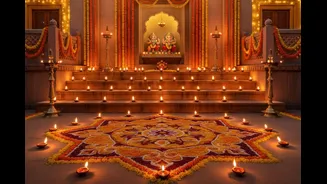
Diwali 2026 will be celebrated on Sunday, November 8. On this occasion, families across the country will decorate their homes with diyas, flowers and rangolis before performing Lakshmi-Ganesha Puja in the evening. Devotees believe that offering prayers with devotion and maintaining a clean, illuminated home invite prosperity, happiness and positive beginnings.
Read More: Diwali 2026 Date: When Is Diwali? Check Correct Date, Day And Significance
The puja is traditionally performed during Pradosh Kaal, particularly when the auspicious Vrishabha Kaal overlaps with Amavasya Tithi. However, the exact muhurat varies from city to city because of differences in local sunrise and sunset timings.
If you are planning your Diwali celebrations, here is everything you need to know about Lakshmi Puja 2026, including its date, Amavasya Tithi, city-wise shubh muhurat, puja samagri and step-by-step rituals.
Diwali 2026 Lakshmi Puja: Date And Amavasya Tithi
According to Drik Panchang, Diwali Lakshmi Puja will be observed on Sunday, November 8, 2026.
The festival falls on Kartik Amavasya, the new moon day of the Hindu lunar calendar. Lakshmi Puja is traditionally performed during the evening Pradosh period when Amavasya prevails.
Here are the important dates and timings:
- Lakshmi Puja date: Sunday, November 8, 2026
- Amavasya Tithi begins: 11:27 AM on November 8, 2026
- Amavasya Tithi ends: 12:31 PM on November 9, 2026
- Main puja period: Evening of November 8, during the applicable city-wise muhurat
Although Amavasya continues until the afternoon of November 9, the main Lakshmi Puja will be performed on the evening of November 8.
Diwali 2026 Lakshmi Puja Shubh Muhurat And Timings
Lakshmi Puja is generally performed during Pradosh Kaal, the period after sunset. The Vrishabha Kaal, or fixed Taurus ascendant, is considered particularly auspicious for the evening worship.
According to Drik Panchang, the city-wise Lakshmi Puja muhurat for November 8, 2026, is as follows:
Pradosh Kaal is the broader evening period, while Vrishabha Kaal is the specific auspicious window used for Lakshmi Puja in this calculation.
Why Is Lakshmi Puja Performed On Diwali?
Lakshmi Puja is performed on Diwali to seek the blessings of Goddess Lakshmi, who represents wealth, prosperity, abundance and good fortune.
According to Hindu beliefs, Goddess Lakshmi is worshipped on Kartik Amavasya to welcome prosperity and happiness into homes. Devotees clean their houses, decorate entrances with rangolis and flowers, light earthen lamps and offer prayers to the goddess.
Lord Ganesha is worshipped alongside Goddess Lakshmi because he is considered the remover of obstacles and the deity of wisdom and auspicious beginnings.
The ritual is also associated with spiritual prosperity. It encourages devotees to practise gratitude, generosity, discipline and compassion while welcoming a new phase of life.
Lakshmi Puja 2026: Essential Puja Samagri
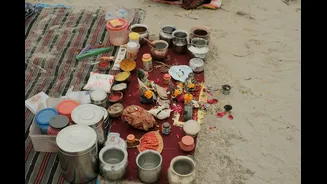
Before beginning the rituals, devotees should arrange the necessary puja items. The exact requirements may vary according to family customs and regional traditions.
Here is a commonly used list of Lakshmi Puja samagri:
- Idols And Puja Setup
- Idols or pictures of Goddess Lakshmi and Lord Ganesha
- Wooden chowki or platform
- Red or yellow cloth for the altar
- Copper or brass kalash
- Coconut and mango leaves
- A small plate or puja thali
- Flowers And Offerings
- Fresh lotus or marigold flowers
- Flower garlands
- Fruits
- Traditional sweets and mithai
- Kheel (puffed rice)
- Batashe
- Coins
- Worship Essentials
- Roli or kumkum
- Haldi (turmeric)
- Akshat (unbroken rice grains)
- Paan and supari
- Kalava (sacred thread)
- Agarbatti (incense sticks)
- Camphor (kapoor)
- Ghee diyas
- Gangajal
Additional Items
- Aarti thali
- Bell
- Ghee or oil for lamps
- Cotton wicks
- A clean vessel containing water
Diwali 2026 Lakshmi Puja Vidhi: Step-By-Step Rituals
Lakshmi Puja is traditionally performed after sunset during the auspicious muhurat. Here is a commonly followed sequence of rituals.
Clean The House And Purify The Puja Area
Clean the house before the evening puja and decorate the entrance with rangoli, flowers and torans. Arrange the puja area neatly and sprinkle Gangajal or clean water around the altar as part of the traditional purification ritual.
Prepare The Puja Chowki
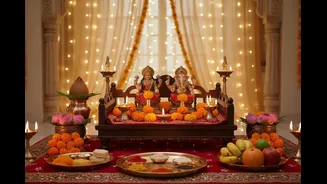
Place a wooden platform in the designated puja area and cover it with a clean red or yellow cloth. Arrange the idols or pictures of Goddess Lakshmi and Lord Ganesha on the platform.
Place the kalash nearby. Traditionally, it is filled with water and may contain a betel nut, a coin and mango leaves, with a coconut placed on top.
The exact placement of the idols and kalash can vary according to family traditions.
Perform Achamana And Take Sankalp
Before starting the worship, devotees perform Achamana, a ritual involving the sipping of water for purification.
They then take a Sankalp, or a devotional pledge, expressing their intention to perform the puja with faith and seek blessings for the well-being, peace and prosperity of their family.
Worship Lord Ganesha First
Begin the puja by worshipping Lord Ganesha.
Offer flowers, kumkum, akshat, incense and sweets to the deity. Light a ghee diya and pray for the removal of obstacles and the successful completion of the rituals.
Lord Ganesha is traditionally worshipped before Goddess Lakshmi in this ceremony.
Perform Goddess Lakshmi Puja
After Ganesha Puja, worship Goddess Lakshmi with devotion.
Offer kumkum, haldi, akshat, fresh flowers and a garland. Lotus and marigold flowers are commonly used during the worship.
Place traditional offerings such as fruits, sweets, kheel, batashe and coins before the goddess. Devotees may also offer prayers for financial stability, prosperity and happiness.
Chant Lakshmi Mantras And Perform Aarti
Light incense sticks and a ghee lamp before the deities. Devotees may chant Lakshmi mantras and recite traditional prayers during the puja.
One commonly recited Lakshmi mantra is:
“Om Shreem Hreem Shreem Kamale Kamalalaye Praseed Praseed Shreem Hreem Shreem Om Mahalakshmyai Namah.”
After the prayers, perform Lakshmi Aarti and offer the prepared bhog to the deities.
Light Diyas Across The House
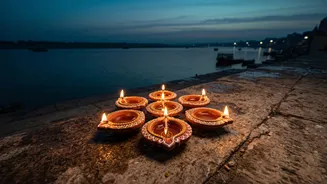
After completing the puja, light earthen diyas at the main entrance, windows, balconies and other suitable places.
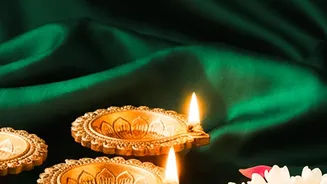
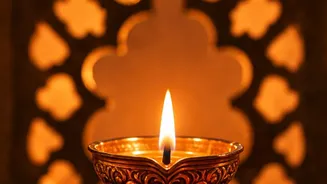
The lighting of diyas represents the victory of light over darkness and is one of the most recognisable traditions of Diwali.
Distribute Prasad And Seek Blessings
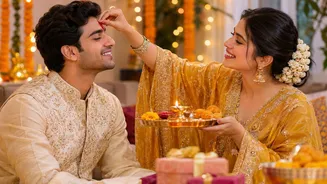
Conclude the rituals by offering prayers and distributing prasad among family members. Many households also exchange sweets and gifts with relatives, friends and neighbours as part of the celebrations.
What Is The Significance Of Lighting Diyas During Lakshmi Puja?
Lighting diyas is an essential Diwali tradition. The lamps symbolise hope, wisdom, positivity and the removal of darkness.
During Lakshmi Puja, devotees illuminate their homes to create a welcoming and auspicious atmosphere. Earthen lamps are traditionally placed near entrances, windows and prayer spaces.
The practice also carries a spiritual message: people should overcome ignorance, negativity and selfishness through knowledge, kindness and good actions.
What Should Devotees Keep In Mind During Lakshmi Puja?
- Check the muhurat applicable to your city instead of following timings from another location.
- Complete the cleaning and decoration of the puja area before the auspicious period.
- Keep all puja samagri ready in advance.
- Follow your family’s traditional customs and rituals.
- Perform the puja with devotion and avoid rushing through the ceremonies.
- Use lamps safely and keep them away from curtains, paper decorations and other flammable materials.
Diwali 2026 Lakshmi Puja
Diwali Lakshmi Puja is an important occasion for families to come together and seek blessings for prosperity, happiness and peace. The rituals, from preparing the puja chowki and offering flowers to chanting mantras and lighting diyas, reflect the festival’s deeper spiritual meaning.