







If you’re in your late 20s right now, let me ask you something honestly: how often have you been sitting for hours, then suddenly stretched so hard just to get relief from that dull, nagging back pain
that never quite goes away?
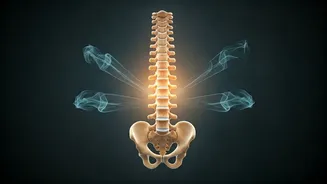
It is easy to dismiss these moments when you are in your late 20s. After all, back pain is something most people assume belongs to later life. But more doctors are now seeing a different pattern — younger adults walking in with early, persistent discomfort that is less about age and more about how daily life quietly shapes the spine.
Your back often reacts long before we notice the habits causing the strain. And by the time the pain becomes regular, those patterns are usually well established.
That is the concern raised by Dr. Bharat S. Mody, Chairman and Chief Orthopaedic Surgeon at Welcare Hospital, who says most cases he sees in this age group are lifestyle-driven rather than structural disease.

“Back pain is no longer limited to older age groups; it is increasingly being reported in individuals in their 30s, often at the peak of their professional and personal lives,” says Dr. Mody. “In most cases, the cause is not a serious structural disease but a reflection of lifestyle patterns that place sustained stress on the spine.”
Here are five everyday habits he frequently identifies in clinical practice and what they may actually mean for long-term spinal health.
1. Prolonged Sitting And Poor Posture
In most modern workplaces, long hours at a desk have become the norm. Add to that laptops, phones, and often inadequate ergonomic support, and the spine quietly bears the burden. Slouched sitting increases pressure on the lower back and gradually weakens the muscles that are meant to support it.
“What I frequently see is early mechanical back pain and muscle fatigue,” says Dr. Mody. “In some cases, it may even contribute to early disc degeneration.”
What it could mean: early mechanical back pain, weakened core stability, and early disc wear over time.
2. Lack Of Regular Physical Activity
A sedentary lifestyle does not just affect fitness levels; it changes how the spine functions. Without regular movement, the muscles that support the back begin to weaken. Even simple daily activities can then start to feel strained.
According to Dr. Mody, this is one of the most overlooked contributors to back pain in younger adults.
What it could mean: recurrent back discomfort during activity and a higher risk of minor injuries.
3. Improper Exercise Techniques
Gym culture has grown rapidly, but supervision has not always kept pace. Many young adults attempt weight training without proper technique or guidance, placing unnecessary strain on the spine.
“Incorrect lifting techniques can overload the back,” explains Dr. Mody. “This is something I see more often now than ever before.”
What it could mean: muscle strain, ligament injuries, and in some cases, disc-related problems.
4. Weight Gain And Abdominal Fat
Central weight gain, particularly around the abdomen, shifts the body’s balance and increases stress on the lower back. Over time, this altered alignment can contribute to ongoing discomfort and structural strain.
Dr. Mody notes that this is not just about appearance but about mechanics. “Excess weight increases pressure on the spine and accelerates wear-and-tear changes,” he says.
What it could mean: persistent lower back pain and faster spinal degeneration.

5. Stress And Poor Sleep
The connection between the mind and the spine is often underestimated. Chronic stress increases muscle tension, while poor sleep reduces the body’s ability to recover from everyday strain. Together, they can create a cycle of persistent discomfort.
“Many patients report pain that does not match any clear imaging findings,” says Dr. Mody. “Stress and sleep issues are often at the root.”
What it could mean: ongoing non-specific back pain without clear structural cause.
When Should You Be Concerned?
Most back pain in younger adults is not serious and often improves with lifestyle correction. However, certain symptoms should never be ignored.
If your back pain lasts longer than three to four weeks, radiates down your leg, causes numbness, tingling or weakness, or wakes you up at night, Dr. Mody advises seeking medical help promptly. Further seek medical advice if:
- Pain spreads down the leg
- There is numbness, tingling, or weakness
- Pain worsens at night or is linked with unexplained weight loss
Back pain in your late 20s is less about ageing and more about accumulation — of posture habits, movement patterns, stress, and neglect of basic physical care.
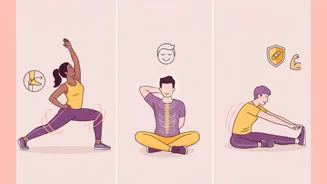
As Dr. Mody puts it, it is often a lifestyle signal rather than a disease. The encouraging part is that early changes can make a significant difference. With better posture, regular movement, proper exercise technique, and attention to stress and sleep, most early back issues are not only manageable but preventable.