




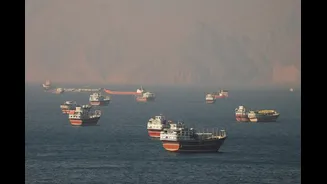


India on Tuesday said that eleven Indian-bound vessels have crossed the Strait of Hormuz since the signing of a Memorandum of Understanding (MoU) aimed at ending the war between Iran and the United States,
while 10 Indian-flagged ships are still present in the Persian Gulf region.
The update was shared by Ministry of External Affairs (MEA) spokesperson Randhir Jaiswal during a media briefing. He also shared that two additional Indian ships have also crossed into the Persian Gulf from the western side.
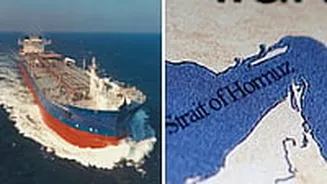
“We have ten Indian flagged vessels still in the Persian Gulf region. In addition, we have two Indian ships which have crossed from this side into the Persian Gulf. Since the signing of the MoU, eleven Indian bound vessels have crossed the Strait of Hormuz,” Jaiswal said.
#MEABriefing | ???????????????????????? ???????????????????? ???????????????????????????????? ???????? ????????????????????’???? ???????????????????????????????? ???????? ???????????????????????????????? ???????????????????????????? ????????????????????????????????????????????????
We have ten Indian flagged vessels still in the Persian Gulf region. In addition, we have two Indian ships which have crossed… pic.twitter.com/NVshRLReNL
— All India Radio News (@airnewsalerts) June 23, 2026
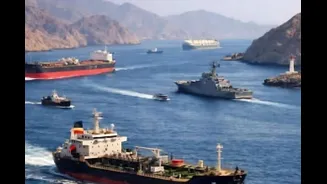
The MEA’s latest comments come amid continued uncertainty of the strategic waterway, a key route for global oil and gas transport. The Strait of Hormuz was reopened last week, after Iran and the US reached an agreement, but Tehran announced on Saturday it had closed it again in response to Israeli attacks in Lebanon.
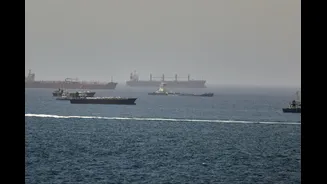
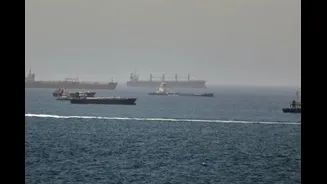
Meanwhile, maritime traffic through the strait has reportedly picked up pace since the latest development. Tracking firms have indicated increased vessel movement in recent days, with shipping activity recovering compared to earlier disruptions after the outbreak of hostilities.
According to maritime data provider Kpler, at least 36 commodity carriers transited the Strait of Hormuz on Monday, marking one of the highest levels since the start of the conflict in February.
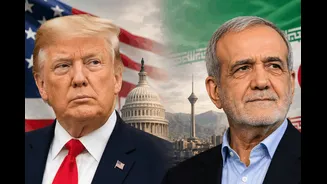
The Iran-US MoU, signed last week, set in motion a 60-day process to address broader issues after months of hostilities that had disrupted energy trades across West Asia and rattled global markets.
(With inputs from agencies)