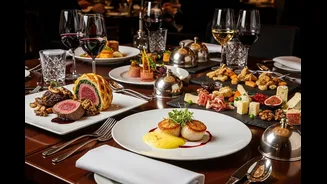






Christmas is a time of warmth, joy, and togetherness but it is also the season when healthy eating habits tend to slip away quietly. Festive tables laden with rich gravies, plum cakes, carbonated drinks,
and sweets make indulgence hard to resist. While food is at the heart of celebrations, Dr Pratayksha Bhardwaj, Dietician and Weight Management Specialist, emphasises that mindful nutrition becomes even more important during this time especially as lifestyle-related conditions such as obesity, diabetes, and gut disorders continue to rise across India.
What Triggers Festive Overeating?
According to Dr Bhardwaj, festive eating is often driven by a combination of frequent snacking, excessive sugar and saturated fat intake, irregular sleep cycles, social gatherings, alcohol consumption, and emotional eating. “These factors work together to negatively impact digestion and metabolism,” she explains, often leading to bloating, fatigue, and blood sugar fluctuations.
The Festive Meal Planner
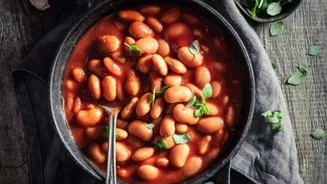
Dr Bhardwaj recommends that even during Christmas celebrations, meals should follow basic nutritional balance. Ideally, 50% of the plate should consist of vegetables, whether roasted, sautéed, or in soup form. The next 25% should include protein sources such as grilled chicken, fish, paneer, lentils, or beans. The remaining 25% can come from complex carbohydrates like whole-grain bread, brown rice, or millets.
She also highlights the importance of high-fibre foods, which help control portion sizes, improve digestion, and maintain gut health making festive indulgence easier on the body.
Choosing Smarter Options for Sweets and Desserts
During the holiday season, desserts are often rich in sugar, cream, and butter. Rather than eliminating them entirely, Dr Pratayksha Bhardwaj advises focusing on portion control and quality. “Have smaller servings, but make them worth it,” she says.
Healthier dessert alternatives can include homemade treats made with dried fruits, nuts, dark chocolate, or jaggery. Another simple yet effective strategy is to consume desserts earlier in the day rather than late at night. Mindful eating slowing down, chewing well, and savouring each bite also helps prevent overeating.
Don’t Skip Meals to ‘Save Calories’
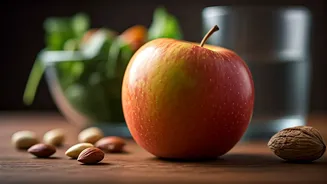
Skipping meals before parties is a common mistake, says Dr Bhardwaj. “It often leads to overeating later,” she warns. Instead, she recommends having a wholesome pre-event snack that includes protein such as fruit with nuts, yoghurt, boiled eggs, or a light protein-based snack. Regular meals help stabilise blood sugar levels and energy, even amid festive excess.
Your Body Is a Temple: Hydration and Alcohol Awareness
Dehydration is common during winter months, especially when alcohol consumption increases. Dr Bhardwaj stresses the importance of regular water intake. Alternating alcoholic drinks with water during celebrations can help prevent bloating, headaches, and fatigue.
She also suggests incorporating light physical activity such as a post-meal walk, gentle stretching, or light yoga to aid digestion and improve insulin sensitivity.
Guilt-Free Return to Routine
Post-Christmas, Dr Bhardwaj advises against falling for extreme detoxes or rapid weight-loss trends. “The body naturally finds balance when you return to regular meals, adequate sleep, hydration, and mindful movement,” she explains. Guilt-free eating and self-compassion play a crucial role in long-term health.
As Dr Bhardwaj sums up, Christmas 2025 is not about perfection, it’s about awareness. Choosing balance over extremes, listening to hunger cues, and treating the body with kindness allows you to enjoy the festive season without compromising health. After all, food should nourish the body while also bringing joy to the celebrations.