




Luxury interiors are no longer defined solely by grand chandeliers, statement furniture, or expansive spaces. Increasingly, the conversation has shifted toward something more nuanced and deeply sensory,
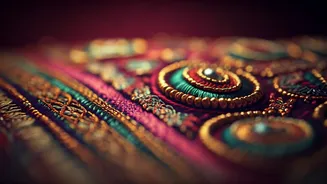
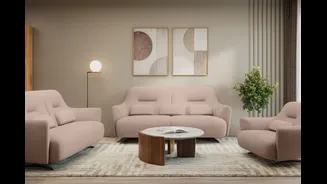
texture. From softly curved bouclé seating and richly grained wood to matte finishes, layered textiles, and tactile stone surfaces, today’s interiors are being designed not just to be seen, but to be experienced.
In many ways, texture has quietly emerged as the new colour palette of contemporary design. Rather than relying on bold visual statements, modern luxury homes are embracing subtle depth, tonal layering, and material richness to create spaces that feel warm, personal, and emotionally resonant.
“Interior styling today is becoming increasingly tactile and experience-driven,” says Sunil Suresh, Founder and CMD, Stanley Lifestyles. “At Stanley Lifestyles, we are seeing a growing preference for materials and finishes that add depth, warmth, and character to a space. From bouclé upholstery and rich leather textures to natural wood grains and matte surfaces, texture is now playing a defining role in luxury interiors. Consumers are moving toward spaces that not only look elegant but also feel comforting, layered, and timeless.”
This growing emphasis on tactile design reflects a larger global movement toward homes that prioritise emotional comfort and sensory engagement over overt opulence. The pandemic-era shift toward mindful living has also played a role, with homeowners seeking interiors that feel cocooning, grounded, and authentic.
According to Vaishali Shah, Design Lead – Home Storage, Interio by Godrej, texture is now central to how people emotionally connect with their spaces. “A noticeable shift is redefining the world of interior design, where texture and depth are emerging as the new language of luxury. Beyond colour and form, contemporary interiors are increasingly embracing sensory design, spaces that invite not just visual appreciation, but tactile engagement,” she explains.
Shah notes that materials like handcrafted wood finishes, layered fabrics, matte surfaces, and intricately detailed furniture fronts are helping create interiors that feel immersive rather than merely decorative. “Texture today is not merely about décor aesthetics; it significantly influences the perception of space by enhancing comfort, adding visual interest, and contributing to a cohesive design narrative,” she adds.
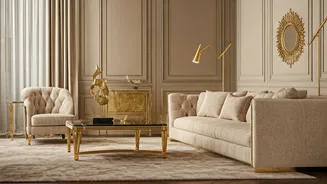
The trend is especially visible in modern Indian homes, where understated luxury is increasingly replacing maximalist décor. Neutral palettes are being paired with tactile materials to create depth without visual clutter. Think suede armchairs against limewashed walls, soft woven rugs layered over natural stone flooring, or matte walnut cabinetry offset with brushed metal accents.
Designers also believe that textured interiors age better over time because they rely on craftsmanship and material authenticity rather than trend-led aesthetics. Organic surfaces, imperfect grains, and artisanal details introduce a lived-in elegance that feels timeless rather than staged.
For those looking to incorporate the trend into their own homes, experts suggest starting with material layering. Mixing leather with soft fabrics, combining wood with stone, or introducing textured upholstery in muted tones can instantly add warmth and sophistication. Soft-touch fabrics like bouclé and suede, in particular, continue to dominate luxury furniture trends for their tactile appeal and visual softness.
Ultimately, the future of luxury interiors appears to be less about excess and more about atmosphere. The most beautiful homes today are not necessarily the loudest, they are the ones that feel deeply lived in, thoughtfully layered, and quietly luxurious.