






A spontaneous trip to Agra, a last-minute business meeting in Mumbai, or a medical consultation booked in Delhi once came with a hurdle for international travellers- paperwork, long waits and consular
appointments.
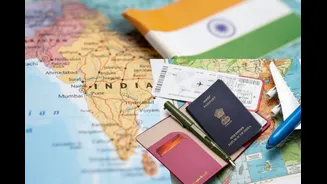
As of January 25, 2026, India has expanded its e-Tourist Visa programme to cover citizens from 166 countries, marking one of the most significant changes to its digital travel framework in recent years. The update is not just about numbers. What this really means is faster approvals, fewer barriers, and a smoother entry into one of the world’s most complex and compelling travel destinations.
What Has Changed In India’s e-Tourist Visa System?
India’s Ministry of Tourism has extended the e-Tourist Visa to include travellers from nine additional countries, taking the total from 157 to 166. New entrants include Kenya, Algeria, Fiji, Uruguay, Armenia and North Macedonia, among others. For travellers in regions with limited access to Indian embassies or consulates, this change removes a long-standing logistical hurdle.
The application process remains fully online. Applicants upload passport details, submit documents digitally, pay the fee electronically, and receive an electronic travel authorisation, often within 72 hours. There are no physical visits, no paperwork submissions, and no waiting weeks for approvals.
As of January 2026, citizens from 166 eligible countries can apply for India’s e-Tourist Visa online. The standard e-Tourist Visa allows double entry and permits stays of up to 30 days, making it suitable for short holidays, cultural trips and brief visits.
For those travelling for professional reasons, the e-Business and e-Medical Visa subcategories remain in place. These offer a longer validity of up to 90 days, catering to business travellers, short-term workers and medical patients seeking treatment in India without the delays of traditional visa routes.
Why Does A 72-Hour Approval Window Make Travel Easy?
For many travellers, time is the real luxury. A visa processed within 72 hours changes how trips are planned. It allows for spontaneity, flexibility and confidence, particularly for professionals attending meetings, technicians travelling for after-sales support, or tourists booking short-notice travel.
This is especially significant for travellers from developing regions where access to Indian consulates has traditionally been limited. What once required international travel to a visa centre can now be completed from a laptop or smartphone.
How It Benefits International Tourists?
The expanded e-Visa system benefits more than holidaymakers. Event organisers, multinational companies and conference attendees stand to gain from simplified entry procedures. The e-Conference Visa subcategory, for instance, enables participants to attend approved events in India with faster processing, provided the event is listed by the Ministry of External Affairs.
Trade shows, academic conferences and international seminars can now attract a wider global audience without visa delays becoming a deterrent. For businesses sourcing short-term expertise from emerging markets, the streamlined system supports quicker deployment and reduced administrative friction.
The expansion of the e-Tourist Visa aligns closely with India’s broader ambition to welcome 15 million international visitors by the end of 2026, up from an estimated 11 million in 2025. This is part of the government’s wider Visit India 2026 campaign, aimed at boosting tourism-driven economic growth.
India has also invested in improving arrival experiences. At 13 international airports, biometric Fast-Track Immigration systems allow pre-enrolled travellers to clear immigration via automated e-gates in under 30 seconds. For frequent travellers, this significantly reduces time spent at entry points.
Security Measures Taken In A Fully Digital Visa System
Convenience has not come at the cost of security. India’s e-Tourist Visa platform now integrates AI-powered fraud detection, enhanced document verification and cross-referencing with Interpol’s lost and stolen passport database. Applications with low-quality or improperly cropped passport images are automatically rejected, ensuring higher data integrity.
These measures align India’s system with international standards and place it alongside global digital travel initiatives such as the European Union’s upcoming ETIAS framework.
By removing bureaucratic barriers while strengthening security, India is signalling its readiness for the next phase of global travel.