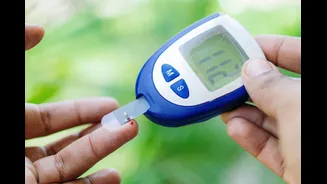

Diabetes cases are rising rapidly across the country, and if left uncontrolled, it can lead to stroke, heart disease, kidney and nerve damage. By 2025, India was facing a diabetes epidemic, with projections
from studies like the ICMR–INDIAB suggesting over 100 million people living with type 2 diabetes. Estimates also showed that there are around 25 million prediabetics in India, a substantial rise from previous decades. Identifying diabetes at an early stage can prevent serious complications while improving the quality of the person’s life.
We speak to Dr Tanish Mandal, Lab Head and Zonal Technical Chief (North India), Regional Reference Lab, Apollo Diagnostic Delhi, to understand why it is important to get tested for diabetes periodically and what the different tests one can opt for:
Diabetes occurs when the body either does not produce enough insulin or cannot use insulin effectively. Insulin is a hormone that helps glucose enter the cells to provide energy. When this process is disturbed, sugar builds up in the blood, leading to high blood sugar levels.
The most common types are Type 1 diabetes and Type 2 diabetes. Diabetes can affect how the body processes sugar (glucose), which is the main source of energy. Over the years, diabetes cases have been surging because of unhealthy eating habits, obesity, stress, hormonal imbalance, age, and lack of physical activity.
The symptoms of diabetes are frequent urination, excessive thirst, unexplained weight loss, constant tiredness, blurred vision, slow healing of wounds, and frequent infections.
Why is early detection essential for those with diabetes?
Early detection allows timely treatment and lifestyle changes that can slow or even prevent complications and enhance the quality of life of a person. When diagnosed early, blood sugar levels can be controlled more easily with diet, exercise, and medications as advised by the doctor. When the doctor recommends tests, take them without any further delay.
These are the test that should be taken to test for diabetes:
- Fasting blood sugar test: This test measures blood sugar levels after at least 8 hours of fasting. It helps identify how well the body controls sugar without the influence of recent meals.
- Post-meal blood sugar test: This test is done two hours after eating and shows how the body handles sugar from food. High numbers may indicate diabetes or poor sugar control, which will need immediate attention.
- HbA1c test: This test helps to understand the average blood sugar level over the past 2–3 months, and the expert will then design an appropriate diabetes management plan. It helps diagnose diabetes and initiate quick measures to manage it with medication and lifestyle changes, such as diet and exercise.
- Random blood sugar test: This test can be done at any time of the day to determine if the person has diabetes.