




On a studio afternoon, as cameras cooled and contestants caught their breath, Pakistan Idol judges drifted into an unplanned but irresistible topic: food. Singer-songwriter Bilal Maqsood leaned back in his
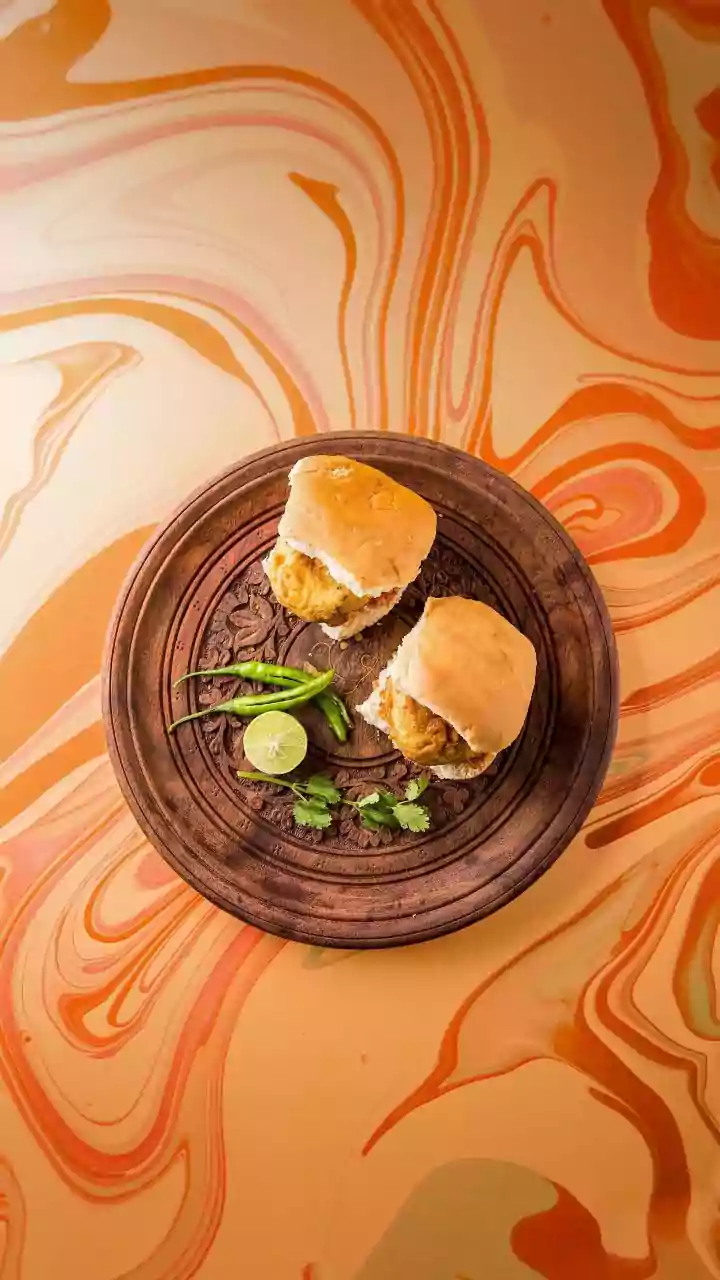
chair, smiling as he declared bun kababs his favourite food from Karachi. Rahat Fateh Ali Khan nodded in agreement. Singer Zeb Bangash chimed in about South Indian dosa stalls tucked between fish markets, and Fawad Khan added how Karachi absorbs every culture it touches. “That’s why the food here is so lazeez (delicious) and so true to its original art form,” the actor said.
For a moment, it felt less like a talent show panel and more like old friends reminiscing about a city that has tasted the world.
View this post on Instagram
A City Built By Journeys
When Partition tore the subcontinent apart in 1947, millions crossed borders carrying little more than hope and recipes. The Muhajirs, Indian Muslims from Delhi, Lucknow, Hyderabad, Madras, Bengal, and beyond, arrived in Karachi with their accents, utensils, spice mixes and treasured family dishes.
This migration to present-day Pakistan would reshape the city forever.
Karachi, already a port of many cultures, now expanded into a living map of India’s culinary geography. From one lane to another, flavours of Delhi, Uttar Pradesh, Tamil Nadu, Bengal, and Kerala began to take root.
Burns Road: Delhi’s Second Life In Karachi
To understand Karachi’s Indian imprint, one must begin at Burns Road, the city’s most legendary food street. Its heart beats with aromas of another time and place. The Delhi migrants, the proud “Delhi-wallahs”, brought with them the dishes they had grown up with, dishes they refused to let history erase. In cramped new homes, they preserved their heritage the only way they knew: through food. Soon Burn Road blossomed into a reincarnation of Old Delhi’s lanes.
Nihari
The iconic Delhi breakfast, slow-cooked meat (mostly mutton or lamb) stew simmered for hours until the meat melted in its own gravy, found a new kingdom in Karachi. Waheed Nihari House became its unofficial ambassador, a place where pots bubble through the night and naan sellers battle the morning rush.
Kababs
Seekh kababs rolled in spices, fry kababs crisp at the edges, and minced meat patties marinated in the Delhi style. Each bite carries the warmth of a homeland far away.
Dahi Baray And Rabri
Yogurt-soaked lentil dumplings from Chandni Chowk traditions, and thick, velvety rabri that tastes like sweet nostalgia. These became Burns Road staples. At Delhi Rabri House, the dessert still tastes like an heirloom.
Bun Kabab
Perhaps Karachi’s most beloved street snack, the Bun Kabab, is a tribute to Delhi’s street culture.
As Bilal Maqsood said on the show, “Mujhe bun kabab kahi mila nahi, na Lahore mein, na Islamabad mein. Karachi mein milta hai bun kabab.” (“I’ve never found a bun kabab anywhere, neither in Lahore nor Islamabad. Only Karachi has it.”)
South Indian Food In Karachi
While the Delhi flavours roar loudly on Karachi’s streets, South India whispers softly but with unmistakable aroma.
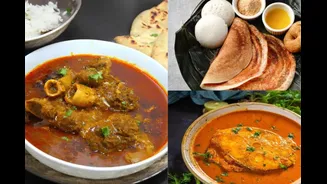
A small community of Tamil, Telugu, and Malayali Muslims (from Kerala) settled in parts of Karachi long before and after Partition, especially in neighbourhoods like Madrasi Para. They arrived with recipes written not on paper but in their palms. The drumbeat of mustard seeds in hot oil, the softness of idlis, the dosas, the tang of sambar, all came with them.
Here, generations have preserved dosa stalls sizzling in the morning, idli steaming in steel pots, sambar bubbling with lentils and tamarind and coconut-based curries fragrant with curry leaves.
Karachi absorbed these flavours gracefully.
Bengali Food In Karachi
If you travel towards Machhar Colony or Musa Colony, you will feel another culinary rhythm. This time from Bengal.
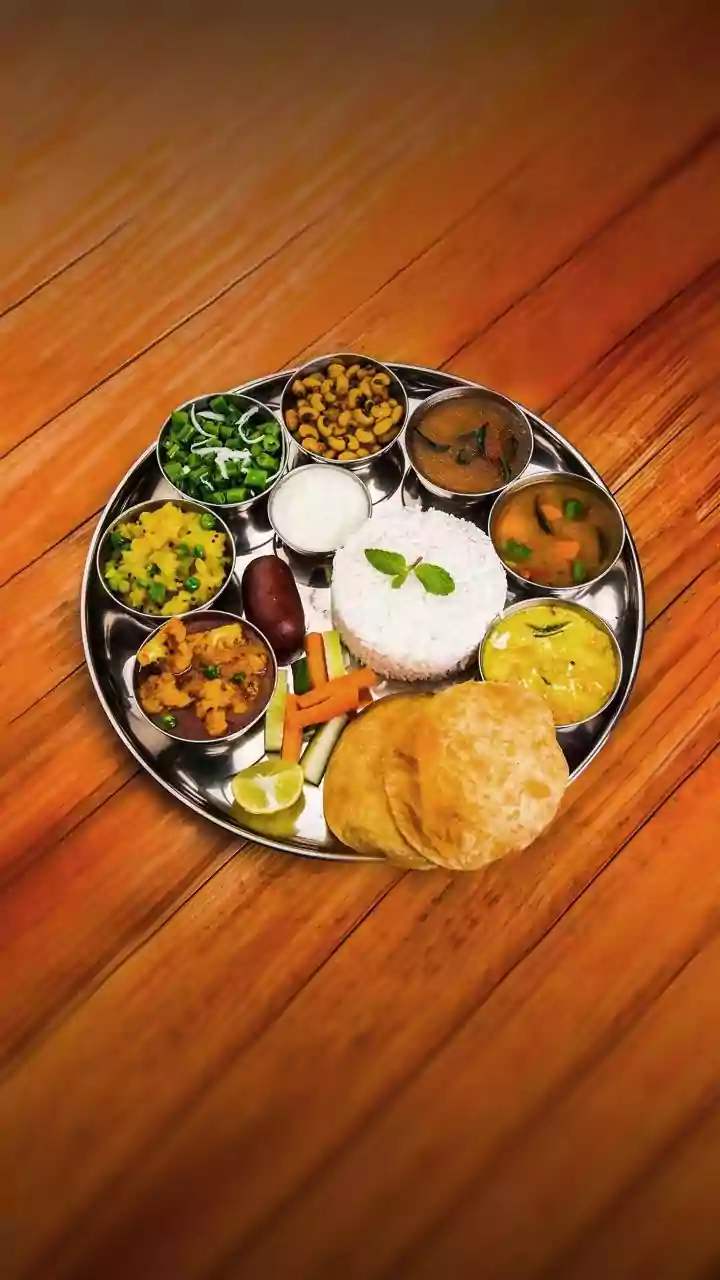
These neighbourhoods, often called “Mini-Bangladesh,” were shaped by Bengali Muslim migrants who arrived during the British era and later through Partition-era movements. They brought with them a cuisine built around rivers. They had fish in all its forms, rice steaming at every meal, vegetables mashed or spiced into bowls of bharta.
In these markets, you’ll find:
Bhat – soft, fragrant steamed rice.
Bharta – vegetables crushed with spices and mustard oil.
Bhaji – fried or sauteed greens and vegetables.
Fish curries, each one with turmeric, chilli, and mustard seeds.
Street classics like samosas, jalebi, and padyaju.
In 2024, Karachi also saw a surprising rise in the popularity of ‘pure Indian vegetarian dishes’, with residents increasingly seeking out vada pav, masala dosa, idli-sambar, dhokla and aloo tikkis across the city.