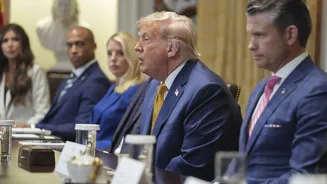



US President Donald Trump has said that the blockading of Iranian ports is a “very profitable business” for his administration.
“It’s a very profitable business. We’re sort of like pirates,” Trump said,
underscoring the economic pressure Washington aims to exert on Tehran amid the tensions in the region.
The blockade, primarily enforced around key waterways such as the Gulf of Oman, has significantly disrupted Iran’s oil exports—one of its main sources of revenue. US officials argue that the move is part of a broader effort to curb Iran’s ability to fund regional activities and push it toward negotiations. Follow for live updates
Talks Stall Despite Pressure Over Strait of Hormuz
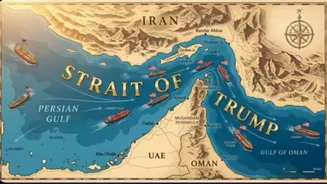
The blockade comes at a time when diplomatic efforts to resolve the standoff between Washington and Tehran have struggled to gain traction. While the US continues to maintain that the pressure campaign is necessary, Iran has condemned the restrictions as unlawful and retaliated by tightening its grip over strategic routes like the Strait of Hormuz.
Oil Exports Hit As Iran Faces Mounting Losses
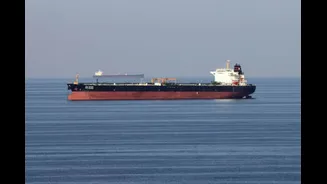
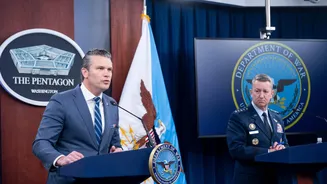
Meanwhile, the US Department of Defense estimates that Tehran has lost nearly $5 billion in oil revenue due to the blockade. Initiated on April 13, the blockade is being positioned as Washington’s primary leverage in efforts to end the conflict, as peace talks held in Islamabad failed to yield any results. According to Pentagon officials, more than 40 vessels suspected of carrying oil or contraband have been diverted since the operation began, Axios reported.
53 Million Barrels Of Iranian Crude Stranded
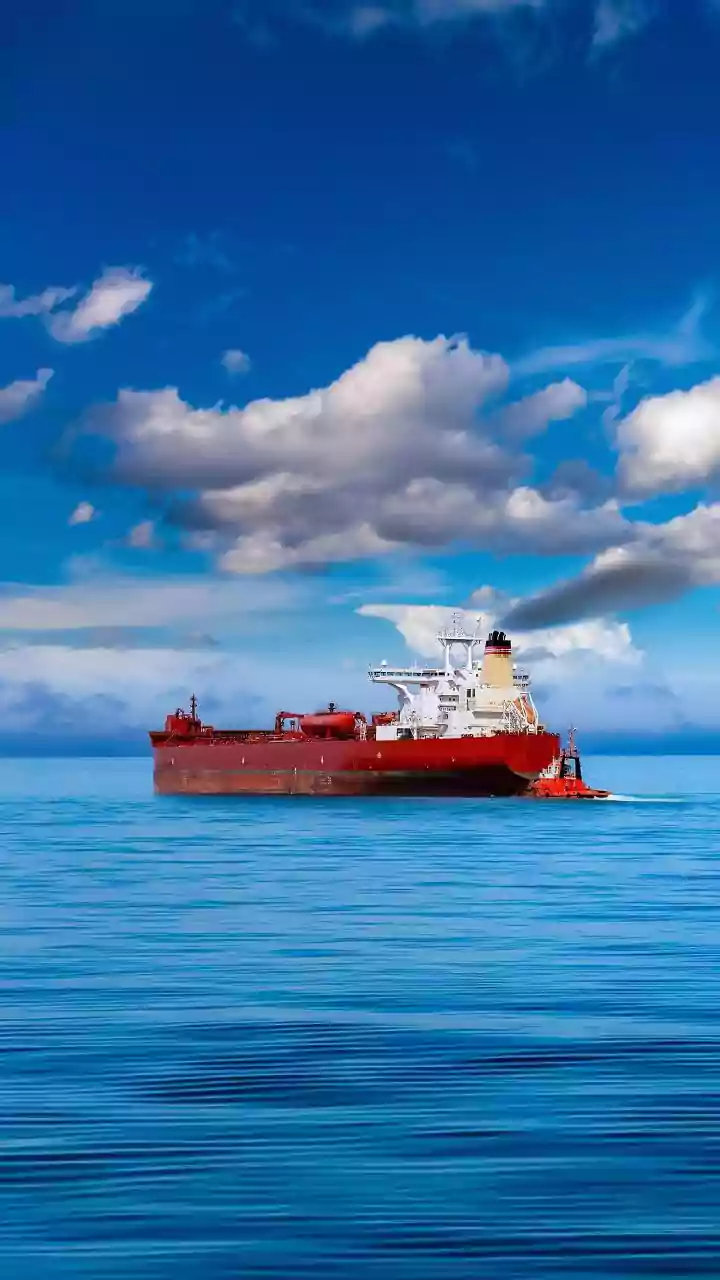
Officials say 31 tankers carrying around 53 million barrels of Iranian crude remain stranded in the Gulf, with an estimated value of $4.8 billion. Further, two ships have been seized by US forces. With land-based storage nearing capacity, Iran has reportedly turned to aging tankers as floating storage units. Some shipments are also being rerouted through longer, costlier paths to China to avoid US interception.
As peace deal between the two sides remail stalled, the situation in the region continues to evolve, with global markets closely watching the unfolding developments.