







Luxury today looks very different from what it did a decade ago. For millennials and Gen Z, aspirational living is no longer centred around accumulation or ownership. Instead, it is increasingly shaped
by experiences that feel immersive, emotionally rewarding and culturally meaningful. From destination dining and artisanal cafés to chef-led tasting menus and design-forward restaurants, younger consumers are redefining luxury through how, and where they choose to spend their time.
Dining out, in particular, has evolved far beyond convenience or occasion. It has become a form of self-expression, social connection and identity, offering the kind of emotional value that traditional retail therapy once promised. A thoughtfully curated meal now carries the same aspirational weight as a luxury purchase, creating memories and moments designed to be shared, remembered and revisited.
Dining Has Become the New Status Symbol
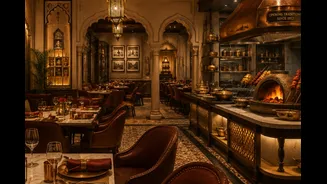
Hospitality brands across the world have recognised this cultural shift, transforming restaurants into immersive spaces where ambience, storytelling and experience hold equal importance alongside cuisine. In India too, this evolution is becoming increasingly visible as younger audiences gravitate toward experiences that feel aesthetic, intentional and share-worthy.
According to Natalia Jimmy Mistry, Director, Della Group, this transformation reflects a larger change in how luxury itself is being perceived by younger generations.
“For millennials and Gen Z, luxury is no longer defined by ownership, but by experiences that create lasting memories,” she says. “Dining out has become the new indulgence where exceptional cuisine, immersive ambience and meaningful social connection often hold greater appeal than traditional retail therapy.”
At destinations like Della Resorts, hospitality is increasingly being designed around immersive culinary experiences that encourage people to travel specifically for food, atmosphere and curated leisure. The idea of dining as a destination in itself, long embraced by global hospitality brands is now becoming central to how modern consumers engage with travel and lifestyle.
Restaurants Are Evolving Into Lifestyle Destinations
The rise of experiential dining also reflects how younger consumers are prioritising emotional fulfilment over material accumulation. A memorable dinner with friends, a beautifully designed café or a chef-driven meal now offers greater cultural and social currency than another luxury purchase.
This shift is especially visible in hospitality spaces that blend food, design and community into a single experience. Increasingly, cafés and restaurants are functioning as extensions of modern lifestyle rather than standalone dining venues.
“At Minimalist Hotels, we’ve seen a clear shift in how millennials and Gen Z define luxury,” says Gautam Munjal, Founder, Minimalist Hotels. “Today, experiences hold far more value than possessions, and dining has become a key part of that.”
Through spaces like Cabami and FIKA, dining is positioned not simply as hospitality but as an extension of personal identity and contemporary culture. “Spaces like Cabami and FIKA are no longer just places to eat,” Munjal explains. “They’re where people connect, celebrate, work, unwind and discover culture through food and design.”
For younger audiences, this overlap between aesthetics, atmosphere and emotional experience is precisely what makes dining feel aspirational. Carefully designed interiors, artisanal menus, cocktail culture and curated ambience all contribute to a form of luxury that feels accessible yet deeply personal.
Slow Dining and Cultural Connection Are Driving Luxury
At the same time, the appeal of dining today lies in its ability to create sensory and emotional experiences that feel increasingly rare in an always-online world. Restaurants are becoming spaces where people disconnect from screens while reconnecting with culture, conversation and ritual.
For Aashita Relan, Founder, Royal China Delhi, authentic dining experiences resonate because they offer craftsmanship, tradition and meaningful connection in ways material purchases cannot.
“For millennials and Gen Z, luxury isn’t in shopping bags anymore. It’s on the plate,” says Relan. “A perfectly steamed har gow, wok-tossed seasonal greens or roast duck offers something no online cart can: shared moments, craftsmanship and sensory memory.”
In an era shaped by speed and digital overload, slower and more intentional dining experiences are beginning to feel indulgent again. Meals are no longer just transactional; they are becoming opportunities for presence, storytelling and cultural immersion.
“At a time when time is scarce, a slow, mindful Cantonese meal feels indulgent,” adds Relan. “It’s not just food. It’s connection, story and taste of tradition. That’s the new luxury.”
The Future of Luxury Lies in Memory-Making
As consumer priorities continue to evolve, the hospitality industry is responding with experiences that emphasise intimacy, atmosphere and memory over excess. Luxury today is becoming less about ownership and more about how experiences make people feel.
Dining out now sits at the centre of that evolution, not merely as a social activity, but as a reflection of changing aspirations, lifestyles and values. Whether through destination resorts, design-led cafés or heritage-driven restaurants, younger consumers are increasingly investing in experiences that feel meaningful enough to remember and share.
Because for millennials and Gen Z, the ultimate luxury is no longer possession. It is presence.