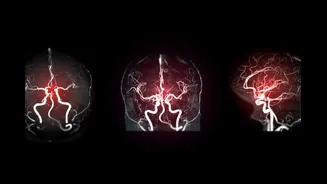








Stroke is no longer a condition limited to older adults. New data from the Indian Council of Medical Research (ICMR) shows a clear and concerning shift: one in seven stroke patients in India is now between
18 and 44 years old.
A new analysis by the Indian Council of Medical Research (ICMR) has revealed alarming trends in stroke incidence in India. According to the study, which examined 34,792 stroke cases registered across 30 hospitals between January 2020 and December 2022, 1 in 7 stroke patients — or approximately 13.8% — are between the ages of 18 and 44 years.
The ICMR data highlights that nearly 40% of all stroke patients reach hospitals after 24 hours of symptom onset, significantly reducing their chances of survival and recovery. Only about 20% of patients arrive at a hospital within the critical early window.
One of the most critical issues highlighted in the findings is delayed medical care. Nearly two in five stroke patients reach hospitals more than 24 hours after symptoms begin, significantly reducing their chances of recovery.
Stroke treatment is extremely time-sensitive. The first hour after symptoms begin, often referred to as the “golden hour”, is crucial. Early medical intervention can help prevent permanent brain damage and improve survival outcomes.
Common Risk Factors and Symptoms
Hypertension is the most common risk factor, present in nearly three-fourths of stroke patients. Around 60% of cases are ischemic strokes, caused by a blockage in blood flow to the brain.
Common symptoms of stroke include:
- Sudden weakness or numbness on one side of the face, arm or leg
- Slurred speech or difficulty speaking
- Confusion or trouble understanding
- Dizziness and loss of balance
- Sudden severe headache
Motor impairment was reported in 74.8% of cases, while speech disturbance was seen in 51.2% of patients.
Many young people tend to ignore early warning signs or skip regular health check-ups. Transient Ischemic Attacks (TIAs or mini-strokes), where symptoms appear briefly and then disappear, are particularly dangerous as they are often dismissed but can precede a major stroke.
What Happens If You Reach Hospital After 24 Hours?
The first few hours after symptom onset are known as the “golden period.” Treatment to restore blood flow is most effective within the first 4.5 hours and can sometimes be beneficial up to 24 hours.
If a patient reaches the hospital after 24 hours, valuable time is lost. Brain cells begin dying within minutes due to lack of oxygen, leading to greater brain damage. This delay often results in:
- More severe disability
- Permanent paralysis
- Speech and vision problems
- Memory loss
- Longer hospital stays
- Lifelong rehabilitation needs