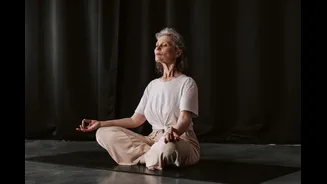








In today’s fast-paced, technologically driven world, wellbeing has become a necessity rather than a luxury. Balancing family responsibilities, professional commitments, academic pressures, and constant
digital engagement has left modern individuals mentally and emotionally stretched.
“Meditation has emerged as a powerful tool to maintain emotional and mental balance in the middle of this daily hustle,” says Dr. Priyanka Sarkar, Heartfulness practitioner and Head of Department, Satyam School of Journalism & Mass Communication, Noida. “However, for meditation to truly support modern life, it must evolve from being a ritual into a practical life skill.”
According to Dr Sarkar, while meditation helps stabilise emotions and calm the mind, its impact deepens only when it becomes a daily, lived practice rather than a mechanical routine. “Meditation should go beyond following steps. It should develop into a skill that we practise every day, effortlessly and meaningfully,” she adds.
Moving Past Ritualistic Meditation
Traditionally, meditation has often been associated with long hours of practice, withdrawal from worldly life, and religious discipline. While these approaches have their merits, they may not be practical for students, working professionals, or individuals managing family responsibilities.
“Meditation today needs to align with the realities of modern life,” explains Dr Sarkar. “Wellness practices must be easy, flexible, and free from physical strain or rigid methods.”
She highlights that contemporary wellness should be:
Easy and time-efficient
Flexible enough to fit into daily schedules
Free from physical strain or complex techniques
Focused on emotional balance and inner awareness
“These needs are effectively met through Heartfulness meditation,” she says, noting that the practice emphasises relaxation, inner observation, and gentle focus without force or effort.
Understanding Heartfulness Meditation
Heartfulness meditation is a heart-centred practice that encourages individuals to focus gently on the heart while allowing the mind to relax naturally.
“As attention settles in the heart, a sense of peace and clarity begins to emerge,” explains Dr Sarkar. “This practice is simple, accessible, and suitable for people of all ages, whether they have prior meditation experience or not.”
She adds that the simplicity of Heartfulness meditation makes it achievable for everyone, fostering emotional calm and mental clarity without requiring lifestyle changes or prolonged practice hours.
Heartfulness in Students’ Lives
Students today face mounting academic pressure, social expectations, performance anxiety, and uncertainty about the future. These challenges often lead to stress, distraction, and emotional exhaustion.
“Regular Heartfulness meditation helps students develop emotional resilience and mental clarity,” says Dr Sarkar.
She notes that consistent practice can help students by:
Improving concentration, memory, and focus
Managing exam-related anxiety and emotional overload
Enhancing emotional regulation and self-confidence
“Even a simple ten-minute daily practice can work wonders,” she adds. “It equips students to respond to challenges calmly, rather than reacting impulsively.”
Heartfulness Meditation for Professionals
Modern workplaces increasingly demand multitasking, creativity, and constant availability, often resulting in stress and burnout.
“Professionals can significantly benefit from Heartfulness meditation,” says Dr. Sarkar, explaining that it supports both productivity and wellbeing.
She highlights its benefits for professionals:
Reduced stress and mental fatigue
Enhanced clarity of judgement and intuitive thinking
Improved interpersonal relationships and workplace harmony
“By integrating meditation before work, between meetings, or after office hours, professionals can remain productive without compromising their wellbeing,” she adds.
How Meditation Enhances Family Life
According to Dr Sarkar, modern families often struggle with disconnected routines, excessive screen time, and emotional distance.
“Within the family environment, meditation plays a powerful role in restoring harmony and emotional connection,” she explains.
Heartfulness meditation benefits families by:
Promoting emotional balance in both parents and children
Encouraging empathy, patience, and open communication
Creating positive shared experiences
“A short family meditation session can strengthen emotional bonds and nurture a home environment rooted in understanding and affection,”says Dr Sarkar.
Incorporating Meditation into Daily Activities
Meditation does not require perfection or long hours, consistency is the key.
“Even simple daily routines inspired by Heartfulness, supported by yogic transmission, can be deeply transformative,” says Dr Sarkar.
She suggests a simple structure:
Morning: An energising meditation to begin the day with clarity and purpose
Evening: Calm reflection to release the day’s stress
Night: Inner connection and subconscious purification
“These practices gradually build emotional strength and mental balance,” she explains.
The Way Forward
“Meditation in the twenty-first century is no longer just a spiritual or ceremonial practice, it is a vital life skill,” concludes Dr Sarkar.
She emphasises that Heartfulness meditation bridges traditional wisdom with contemporary living, offering a practical pathway for students seeking focus, professionals striving for balance, and families nurturing deeper connections.
“When meditation becomes part of daily life, we move beyond survival towards a more aware, balanced, and fulfilling way of living,” she says.