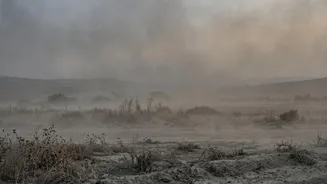








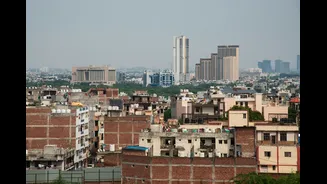
Top 10 Most Polluted Indian Cities Today: Air pollution has reached alarming levels across several cities in northern India, with towns in Haryana, Uttar Pradesh and Punjab dominating the list of the country’s
most polluted urban centres. According to the live city-ranking dashboard of AQI.in, Rohtak in Haryana recorded an Air Quality Index (AQI) of 1,108 on November 6, 2026, emerging as India’s most polluted city in the latest available snapshot.
Meerut in Uttar Pradesh followed with an AQI of 1,059, while Bathinda in Punjab ranked third at 1,008. Hapur, Sonipat and Panipat also recorded readings above 900, highlighting the severity of the pollution situation across the region.
The ranking shows that smaller cities and industrial or agricultural centres are facing extremely high pollution levels. New Delhi, meanwhile, stood at the 18th position with an AQI of 722 on the same dashboard.
Top 10 Most Polluted Cities In India Today
The AQI.in live dashboard placed all 10 cities in its highest pollution category, labelled “Hazardous”. Rohtak topped the list, while six of the 10 cities were located in Haryana.
| Rank | City | State | AQI |
|---|---|---|---|
| 1 | Rohtak | Haryana | 1,108 |
| 2 | Meerut | Uttar Pradesh | 1,059 |
| 3 | Bathinda | Punjab | 1,008 |
| 4 | Hapur | Uttar Pradesh | 994 |
| 5 | Sonipat | Haryana | 968 |
| 6 | Panipat | Haryana | 921 |
| 7 | Bhiwani | Haryana | 916 |
| 8 | Sirsa | Haryana | 898 |
| 9 | Hisar | Haryana | 876 |
| 10 | Ghaziabad | Uttar Pradesh | 830 |
The figures represent a live dashboard snapshot and may change as monitoring data is updated.
Delhi Ranks 18th As Smaller Cities Record Higher Pollution Levels
While Delhi frequently dominates discussions around air pollution, the latest AQI.in ranking indicates that several smaller cities in northern India are currently recording even higher readings.
New Delhi ranked 18th with an AQI of 722, below Rohtak, Meerut, Bathinda and the other nine cities in the top 10. This comparison highlights how severe pollution is not restricted to major metropolitan areas. Smaller industrial towns and densely populated urban centres across the National Capital Region and neighbouring states are also facing a significant pollution burden.
However, a city’s position on a live ranking should not be treated as a complete measure of its residents’ exposure. Pollution can vary considerably between neighbourhoods and monitoring locations, while different dashboards may use different AQI calculation methods.
Why Is Air Pollution Rising Across Haryana, Punjab And Uttar Pradesh?
The concentration of highly polluted cities across Haryana, Punjab and Uttar Pradesh points to a wider regional air-quality problem. Several seasonal and local factors can contribute to deteriorating air quality during November.
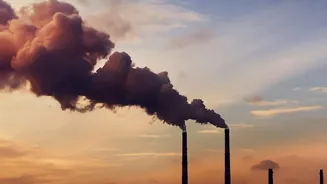
- Stubble Burning: Paddy stubble burning remains an important seasonal concern in northern India. Smoke from agricultural fires can contribute to particulate pollution across Punjab, Haryana and the National Capital Region. The Commission for Air Quality Management (CAQM) has been reviewing measures with the Punjab and Haryana governments to prevent crop-residue burning and control other pollution sources.
- Falling Temperatures And Weather Conditions: During the post-monsoon and winter months, lower temperatures, reduced mixing heights, temperature inversion and stagnant winds can prevent pollutants from dispersing. This allows pollution to accumulate closer to the ground.
- Vehicular And Industrial Emissions: Traffic emissions, industrial activity, construction and demolition dust, road dust, waste burning and other local sources also contribute to poor air quality. The relative contribution of these sources varies from city to city.
The Central Government has previously identified these factors as contributors to worsening air quality across Delhi and the National Capital Region, particularly during the post-monsoon and winter seasons.
What Do AQI Numbers Above 500 Mean? Understanding India’s AQI Scale
The Air Quality Index translates measurements of different air pollutants into a single number to help people understand the quality of the air they breathe. India’s National AQI framework, developed by the Central Pollution Control Board (CPCB), considers eight pollutants, including PM2.5, PM10, nitrogen dioxide, sulphur dioxide, carbon monoxide, ozone, ammonia and lead.
The official Indian AQI scale has six categories, ranging from Good to Severe.
| AQI Range | CPCB Category | Possible Health Impact |
|---|---|---|
| 0-50 | Good | Minimal impact |
| 51-100 | Satisfactory | Minor breathing discomfort to sensitive people |
| 101-200 | Moderate | Breathing discomfort among people with lung disease, asthma and heart conditions, as well as children and older adults |
| 201-300 | Poor | Breathing discomfort for people on prolonged exposure |
| 301-400 | Very Poor | Respiratory illness may develop after prolonged exposure |
| 401-500 | Severe | Respiratory effects can affect healthy people; serious health impacts are possible for those with existing diseases |
Respiratory effects can affect healthy people; serious health impacts are possible for those with existing diseases
Who Is Most Vulnerable To Hazardous Air Pollution?
Although prolonged exposure to polluted air can affect everyone, certain groups face a higher risk of respiratory and cardiovascular complications.
Children are particularly vulnerable because their lungs are still developing. Older adults may also face greater health risks, especially if they have existing medical conditions.
People with asthma, chronic obstructive pulmonary disease (COPD), heart disease and other respiratory or cardiovascular conditions should take additional precautions. Pregnant women should also minimise exposure to heavily polluted air.
Outdoor workers, including traffic police personnel, delivery workers and construction labourers, may face repeated exposure because their jobs require them to spend long hours outside.
How To Protect Yourself When AQI Is Extremely High
When air pollution reaches severe levels, reducing exposure becomes important. Health authorities advise people to limit outdoor activity and take precautions, particularly during periods of high pollution.
- Stay Indoors: Avoid unnecessary outdoor trips and postpone outdoor exercise, running and strenuous physical activity. Keep doors and windows closed when outdoor air quality is poor, while ensuring adequate ventilation when conditions improve.
- Use An Air Purifier: If available, use an air purifier with a high-efficiency particulate air (HEPA) filter in frequently occupied rooms. Avoid indoor sources of pollution, including smoking, incense and burningcandles.
- Wear A Well-Fitted N95 Mask: If stepping outside is unavoidable, use a properly fitted N95 respirator. Cloth and ordinary surgical masks do not provide equivalent protection against fine particulate matter such as PM2.5.
- Protect Children And Older Adults: Keep children, elderly family members and people with existing respiratory or heart conditions away from outdoor pollution as far as possible. Avoid outdoor sports and prolonged exposure.
- Reduce Exposure During Travel: Use public transport where practical. If travelling by car, keep windows closed and use the vehicle’s air-conditioning recirculation setting during periods of high outdoor pollution.
With several cities across northern India recording exceptionally high readings, the latest ranking is a reminder that air pollution is no longer just a metropolitan concern. It is a wider public-health challenge that requires coordinated action on agricultural burning, transport emissions, industrial pollution, construction dust and waste management.